

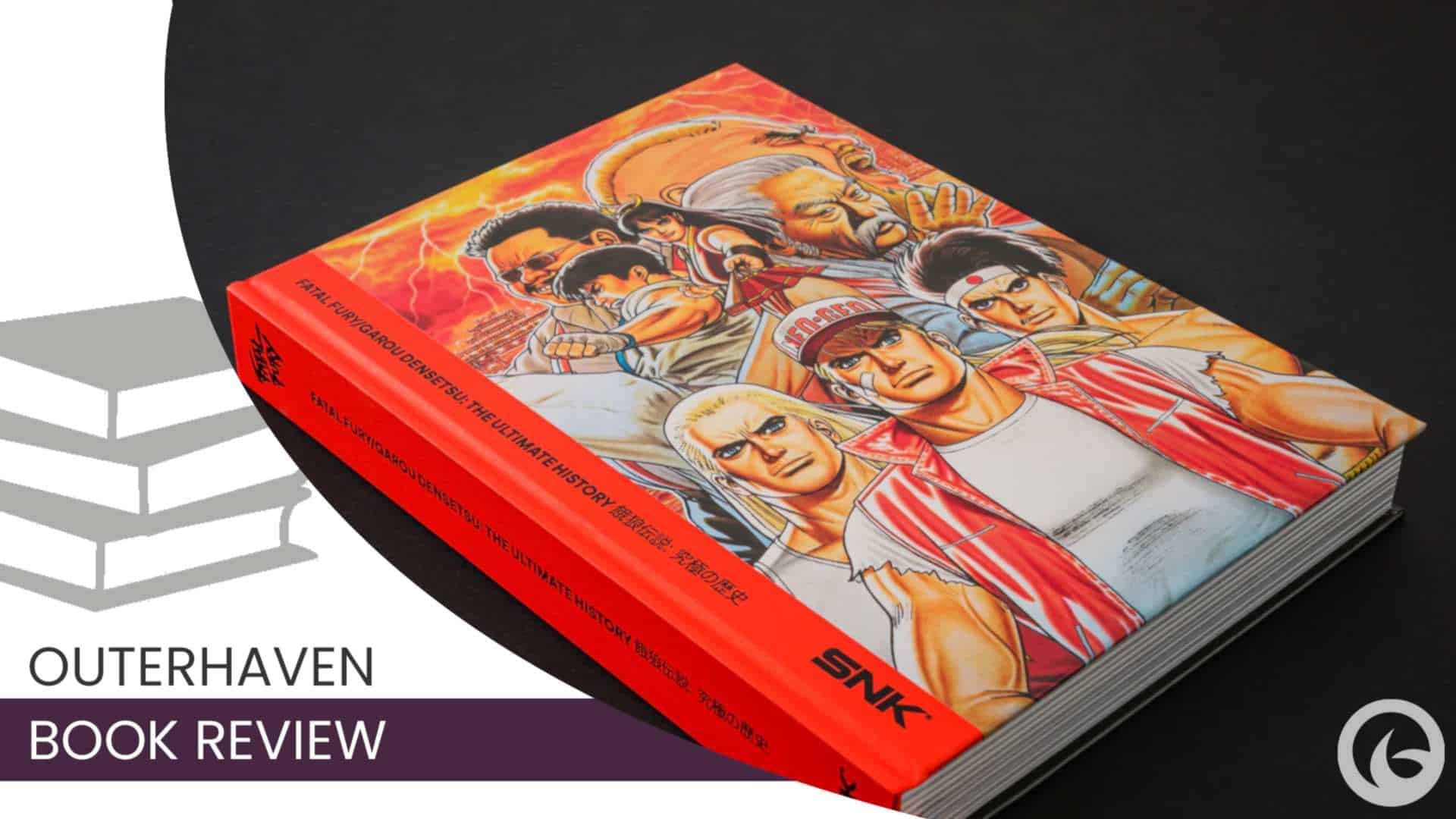
Fatal Fury, also known as Garou Densetsu, was one of those titles born from the fighting game boom of the early 90s, with a story, cast, and personality that became unforgettable to many who experienced it. Across its nearly 35-year history and nine main timeline games, Fatal Fury has carved out its own legacy through the many combatants of its fictional South Town, the arcades, and the MVS system that helped define SNK’s golden era.
Bitmap Books has taken it upon itself to capture that legacy in book form with Fatal Fury: The Ultimate History. A massive undertaking, to say the least.
Book Name: Fatal Fury/Garou Densetsu: The Ultimate History
Publisher(s): Bitmap Books
Release Date: May 20, 2026
Price: $48
The Legend of The Hungry Wolves
As usual, Bitmap Books has bound Fatal Fury: The Ultimate History with care. This is a 467-page book packed with content, vivid screenshots, and several massive spreads highlighting some of the most iconic portraits from the series.

The book jumps right into the history and connection between Fatal Fury and the fighting games that came before it, including the work of Takashi Nishiyama, who collaborated with Irem and Capcom on Kung-Fu Master and Street Fighter, respectively.
That history is explored even further with developer Hiroshi Matsumoto stepping in to help answer one of the key questions surrounding the series: what came first, Terry Bogard or Fatal Fury? Thankfully, this is not treated like some confusing cart-before-the-horse puzzle. Instead, the book lays out the history in a way that feels natural and easy to follow.
Everyone’s Involved
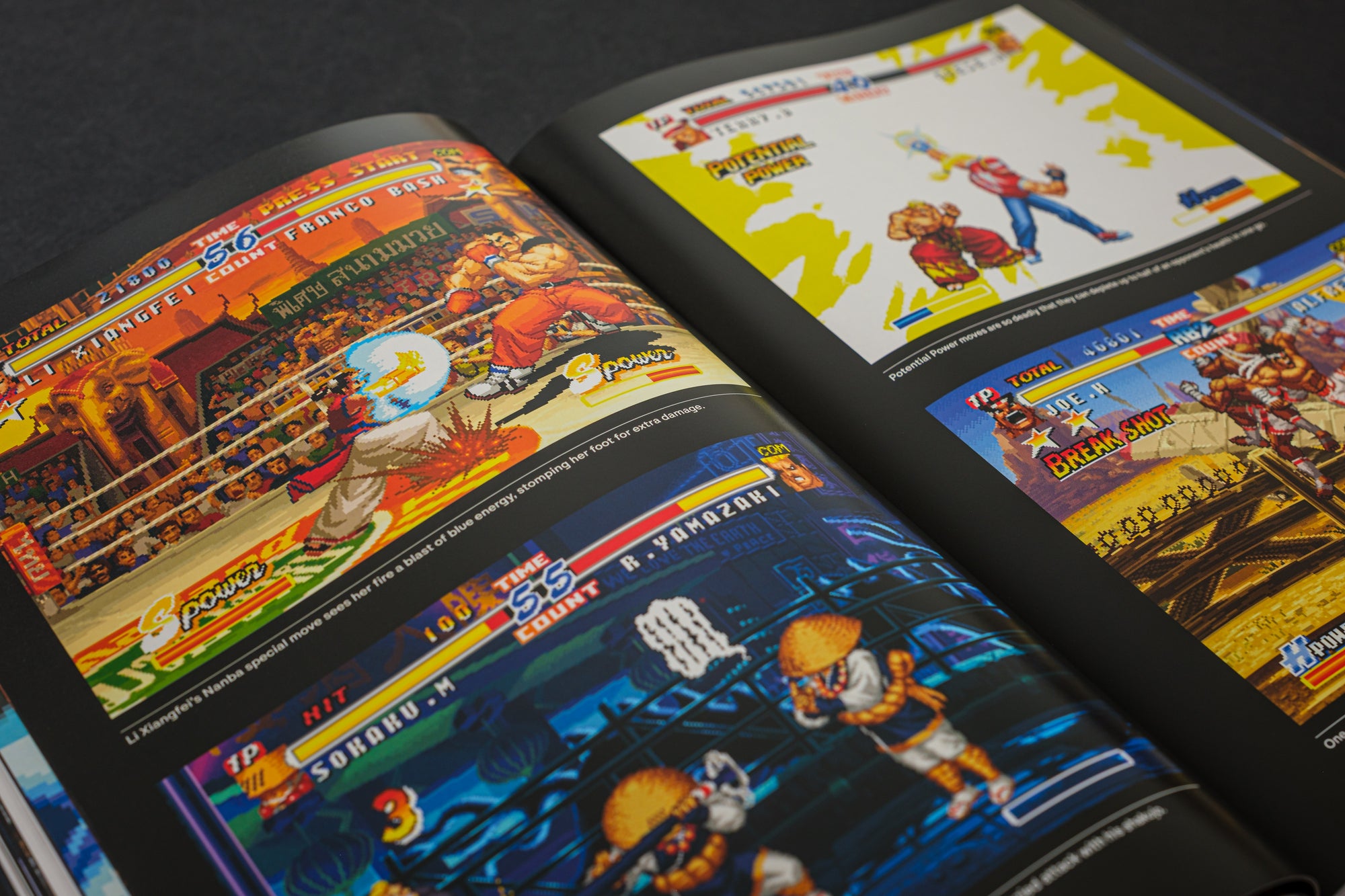
Fatal Fury: The Ultimate History goes beyond developer perspectives. It also dives into old game magazine quotes, review scores, the rivals SNK faced during the fighting game boom, the influences behind the games, and the technology that powered them. Even the origin of the 100 Mega Shock branding is covered here. It really is that comprehensive.
Personally, it reminded me of what Shaggy: Dogamuffin Style did with telling the story of the DJ and reggae artist through a broader cultural lens. Fatal Fury: The Ultimate History attempts to do something similar by painting a larger picture of the landscape the series existed in.
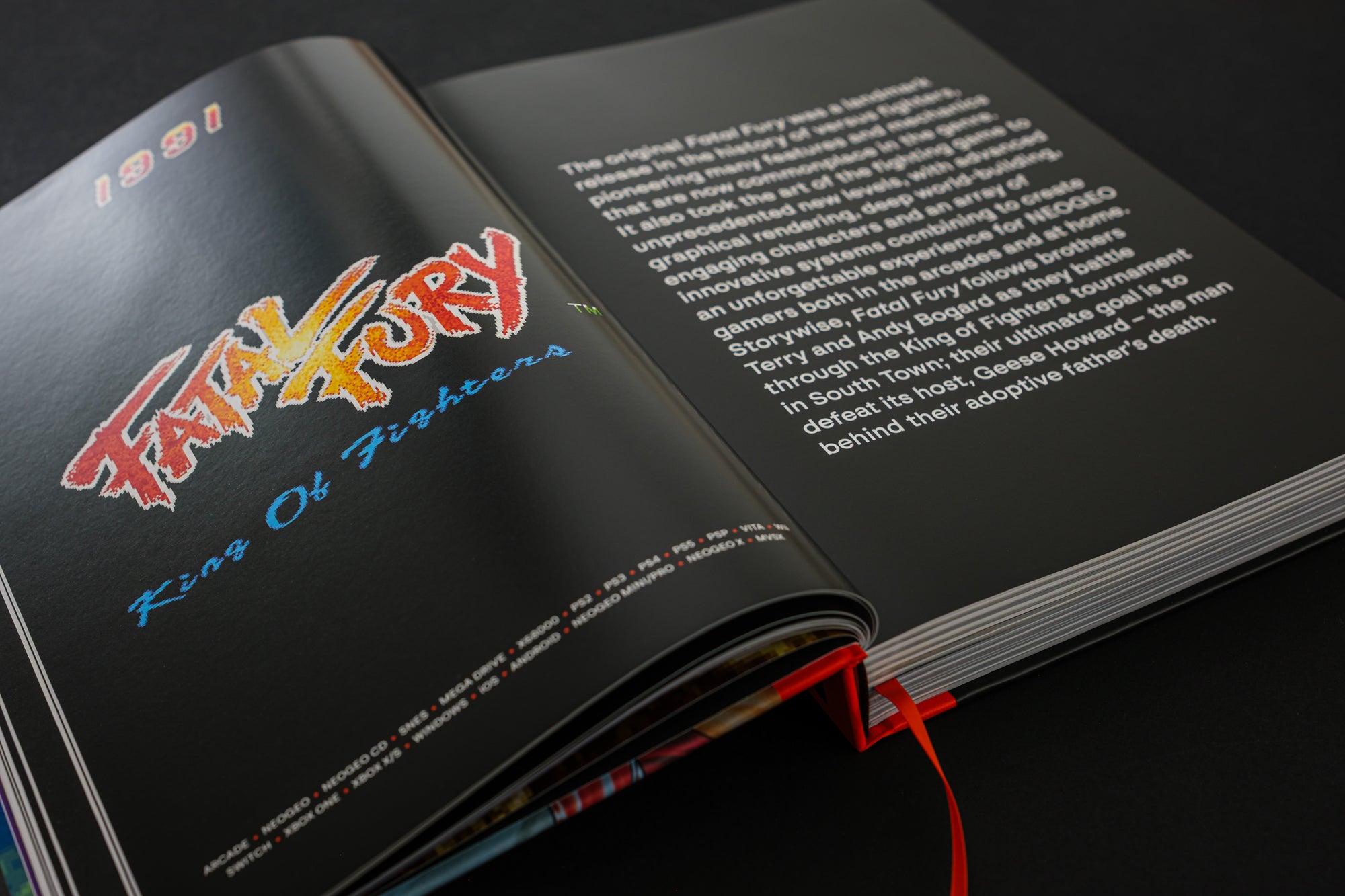
It is definitely a worthwhile touch for history buffs. Reading this section alone feels like enough to walk away with a baker’s dozen of facts that even longtime fans may not have known, including those who spent their quarters challenging rivals in arcades when these games were first released.
For me, one of those highlights was learning more about the beautiful technique used for the sprites in Art of Fighting 3. Fatal Fury: The Ultimate History also delves into the prequel series Art of Fighting, thanks to the connected space both series call home.

Nearly every Fatal Fury title gets its time to shine in this book, with release dates placed at the top of each game’s section. Even some of the smaller or less-discussed titles get attention, including the Neo Geo Pocket Color’s Fatal Fury: First Contact and the 3D fighter Fatal Fury: Wild Ambition.
Each title gets an explanation of what it introduced, including new characters, pivotal mechanics, and details such as which games used the two-lane and three-lane systems.
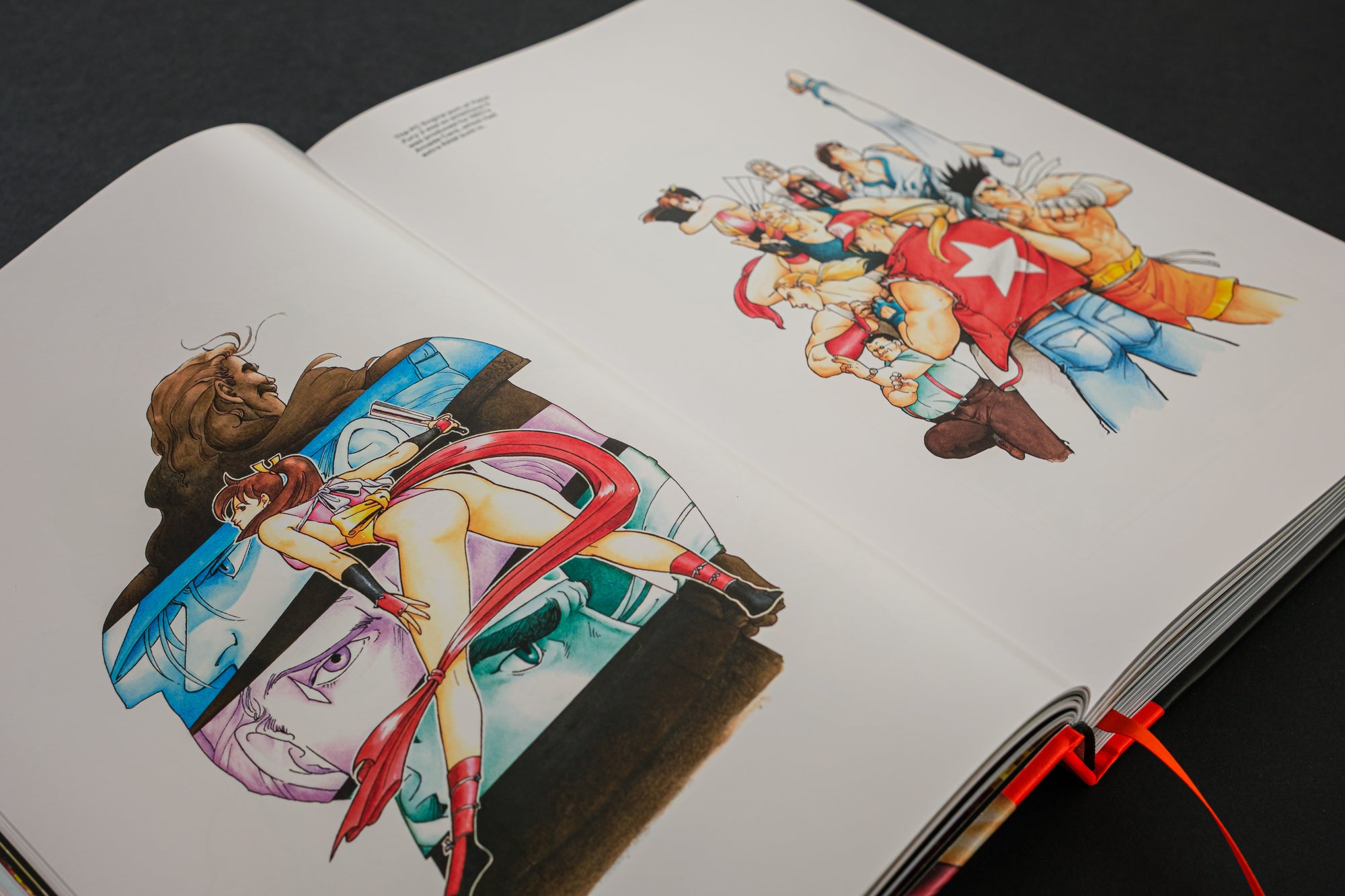
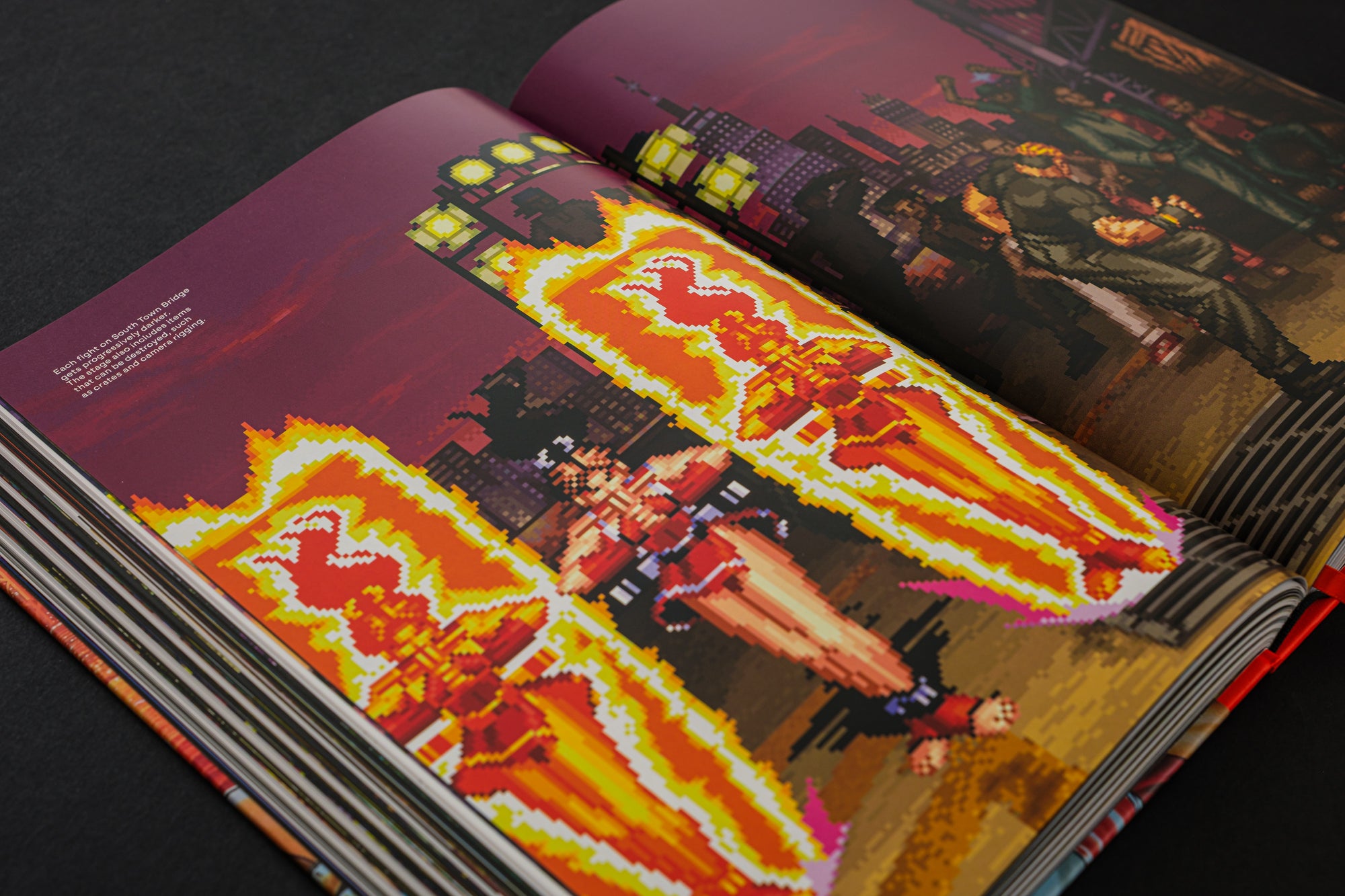
The art itself is one of the biggest highlights, and it feels like no stone was left unturned. From sprite frames, game endings, magazine marketing, pre-production sketches, and even instruction manual drawings, everything seems to be covered here.
Some of the background scenes from these games were already works of art, and the book gives them more room to breathe without a filter. Stills from intros and gameplay are also included, along with a pixel-style map of South Town that was created specifically for the book.
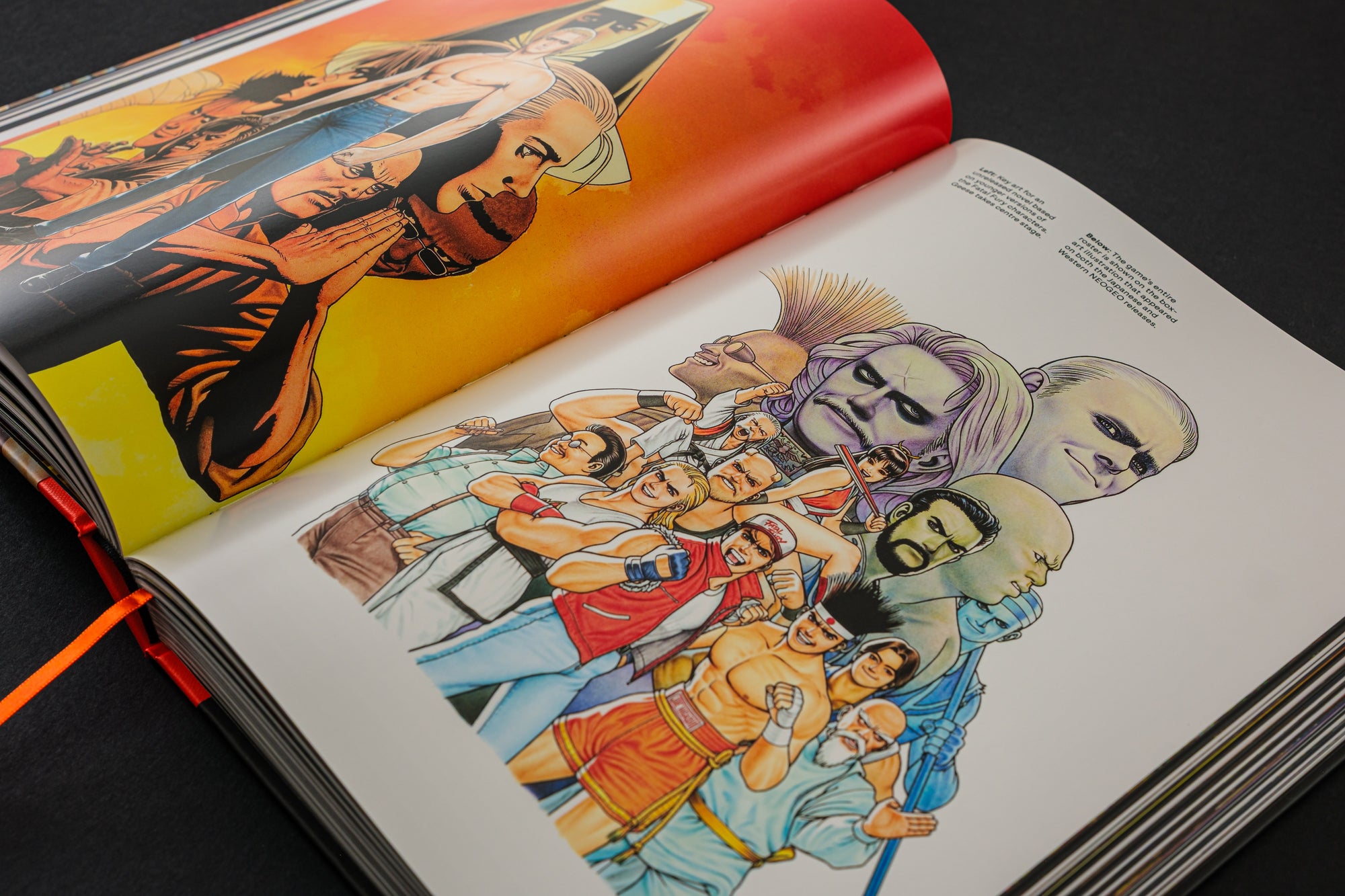
The interviews really get into the heart of Fatal Fury. From its humble beginnings to the influences pulled from different fighting games, the book gives readers plenty to dig into. Seeing Hitoshi Okamoto, Nobuyuki Kuroki, Takeshi Kimura, Yasuyuki Oda, and Youichiro Soeda discuss the series across a massive 10-page Q&A is definitely a sight to see.
Those interviews also answer several burning questions, including what happened to the mysterious planned sequel Garou: Mark of the Wolves 2. They also touch on why the lane system worked in some areas and struggled in others. The design choices, development challenges, and horror stories that turned into moments of triumph are all part of the package.
Fatal Fury: City of the Wolves is also covered in Fatal Fury: The Ultimate History. This helps bring readers up to speed on the newest entry, including the big Season 1 reveal.
Where The Ultimate History Falls Short
Not everything about Fatal Fury: The Ultimate History feels complete. One of my gripes is that some of the unsung heroes behind the series do not get a voice here, especially the artists.
Shinkiro has been an instrumental part of Fatal Fury and SNK’s success in general, with his hyper-realistic art style helping define the company’s visual identity. However, Shinkiro does not get to share his own thoughts on the series he worked on before moving to Capcom. The same can be said for illustration legends such as Falcoon and Eiji, who also worked alongside some of Neo Geo’s biggest supporters.
That feels like a definite missed opportunity, especially when so much of Fatal Fury‘s identity is tied to its art.
There also are not many pages dedicated to individual interviews, especially compared to The King of Fighters: The Ultimate History, which gave more members of the cast and crew room to speak. The 90s anime OVA also does not get much attention, which would have been a cool way to tie into the City of the Wolves intro that is highlighted in the book.
Still, these are mostly nitpicks rather than dealbreakers.
Conclusion
Fatal Fury: The Ultimate History feels like a step above previous SNK-focused Bitmap Books releases, including The King of Fighters: The Ultimate History. It throws more at readers, feels more organized in its presentation, and reaches deep enough to school just about anyone in the ways of the Hungry Wolves.
This is not the sort of book you finish in one sitting. It is the kind you return to, taking in the history, artwork, interviews, and South Town legends piece by piece.
Fatal Fury/Garou Densetsu: The Ultimate History Review: Bitmap Books Gives SNK’s Hungry Wolves Their Due
Fatal Fury: The Ultimate History feels like a step above previous SNK Bitmap Books – such as The King of Fighters Ultimate History – throwing more at the readers than before. It’s more organized with its’ presentation and is far reaching to school anyone in the ways of the Hungry Wolves. Books like these get more than one sitting to take the South Town legends all in.
Pros
- Thorough look at Fatal Fury’s history, including rivalries in the arcade business
- Starts from Street Fighter to Fatal Fury: City of the Wolves
- Visually amazing shots of all games including Neo Geo Pocket Color’s Fatal Fury: First Contact
- More frame captures for certain fighters
Cons
- Lack of OVA anime adaptation coverage
- Some major collaborators do not get a sound-off
