

Chip Theory Games has built a reputation around big, premium tabletop experiences,
…but Neon Knight Games is taking things in a different direction.
Rather than simply trying to make smaller versions of the games Chip Theory is already known for, Neon Knight is being built as its own imprint focused on approachable, retail-friendly games. The idea is to create something that is easier to learn and easier to get to the table, while still offering enough depth to keep players coming back.
I recently had the opportunity to ask the team about why Neon Knight exists, what kinds of games it wants to make, and where they hope to take it from here.
Why create Neon Knight Games instead of simply expanding Chip Theory’s catalog?
Chip Theory isn’t exactly slowing down. Between continuing to expand games like The Elder Scrolls: Betrayal of the Second Era and exploring new projects, the company saw Neon Knight as an opportunity to reach a different audience.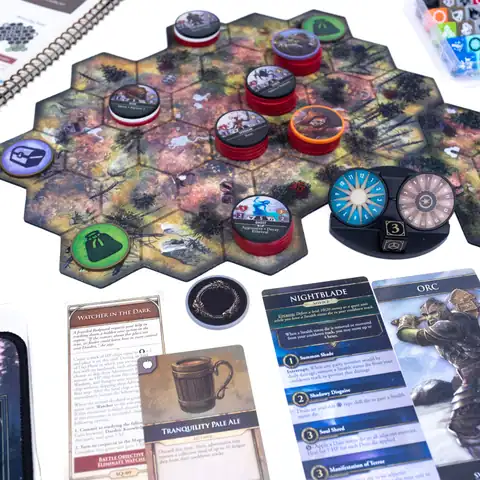 “Neon Knight represents an opportunity for Chip Theory to continue finding new fans as well as offering more options for game night with the existing fan base.”
Creating a dedicated imprint gives the team room to build something with its own identity while still having the experience and support of Chip Theory behind it.
How do you make games more accessible without losing what players expect from Chip Theory?
This is probably the part of Neon Knight’s direction that interests me the most.
The studio describes its approach as “reimagining modern classics.” The goal is to make something that feels familiar almost immediately, but still brings enough new ideas to the table to stand on its own.
These also aren’t meant to be games that take an entire evening to play.
“They’ll be the game of choice you consider when introducing your friend to your gaming hobby, at the next family gathering, or even as a palette cleanser between heavier titles.”
That’s a space I think tabletop gaming could always use more of.
I enjoy spending hours with a heavier board game, but not every game night needs to become an event. Sometimes you want something you can teach quickly, get onto the table, and actually finish in under an hour.
Neon Knight is trying to live somewhere in that middle ground without sacrificing the production quality people have come to expect from something connected to Chip Theory.
What kinds of games can we expect from Neon Knight?
Jump Masters gives us a pretty good example of what the team means by reimagining classics.
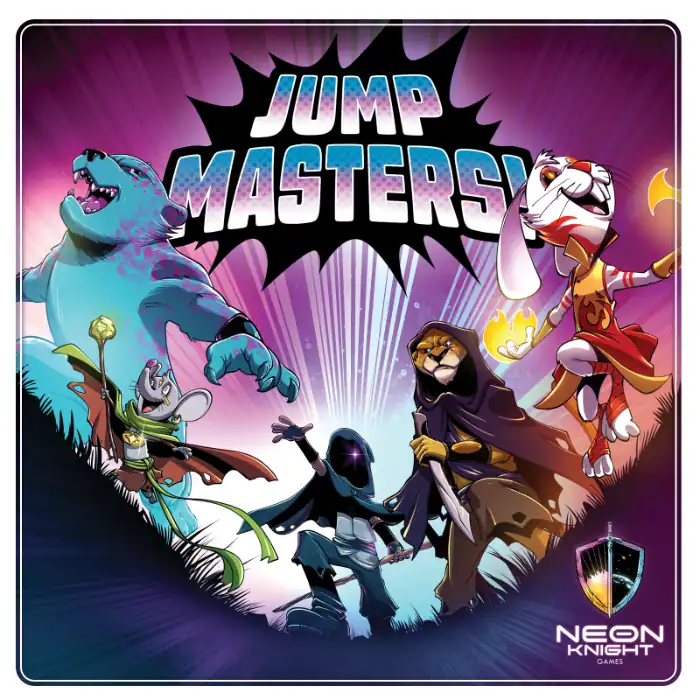
The game takes inspiration from Chinese Checkers, using the familiarity of jumping pieces around a board as the foundation for a much more tactical game built around drafting heroes, unique abilities, combat, and chaining jumps together.
The team sees that familiarity as an advantage.
“We love that our community can sit down at the table and with just a few rules feel like they are playing a game they’ve been enjoying their whole lives.”
That’s an interesting design space.
Modern board games have become increasingly complex, and while there is absolutely a place for that, familiarity can remove one of the biggest barriers to getting a new game onto the table: teaching everyone how to play it.
If players already understand part of the language of the game, Neon Knight can spend more time showing them what’s different.
Where does Neon Knight go from here?
The long-term goal is bigger than simply releasing a few smaller games under another name.
Neon Knight wants to build stronger relationships with retailers, reach a wider audience, and gradually develop its own catalog and community.
“I am also excited to build this team and catalog intentionally – to listen to fans and learn what they are excited for, and help deliver that to them.”
The team also wants Neon Knight to become a place where new ideas can develop without necessarily having to fit what players traditionally expect from Chip Theory Games.
For me, that’s what makes Neon Knight worth watching. Take a look at their games here.
Chip Theory already knows how to make elaborate tabletop experiences. Neon Knight gives the company room to explore another part of game night: games you can teach quickly, play in under an hour, and potentially put in front of someone who doesn’t already have an entire shelf dedicated to board games.
Jump Masters gives us a good idea of what that philosophy looks like in practice. Now I’m interested to see which familiar tabletop ideas Neon Knight decides to reinvent next.
