

Marvel’s Wolverine has been one of those games that I have been equal parts excited and apprehensive about ever since it was first announced. Insomniac Games has already proven that it understands superheroes through its work on the Marvel’s Spider-Man franchise, but Logan is a very different character from Peter Parker or Miles Morales. He is more violent, more emotionally damaged, and his stories tend to work best when they are personal rather than bombastic. After finally getting the chance to spend three hours with Marvel’s Wolverine, though, most of those concerns have disappeared.
My hands-on session was split across two different sections of the game. The first took place near the beginning of the adventure, while the second jumped forward to the end of Act 1. Naturally, that meant there were plenty of story details and character developments deliberately kept out of reach, but it gave me a surprisingly broad look at the combat, stealth, progression systems, performances, customization, and the overall direction Insomniac is taking with Logan.
And based on what I played, Marvel’s Wolverine could be something very special.
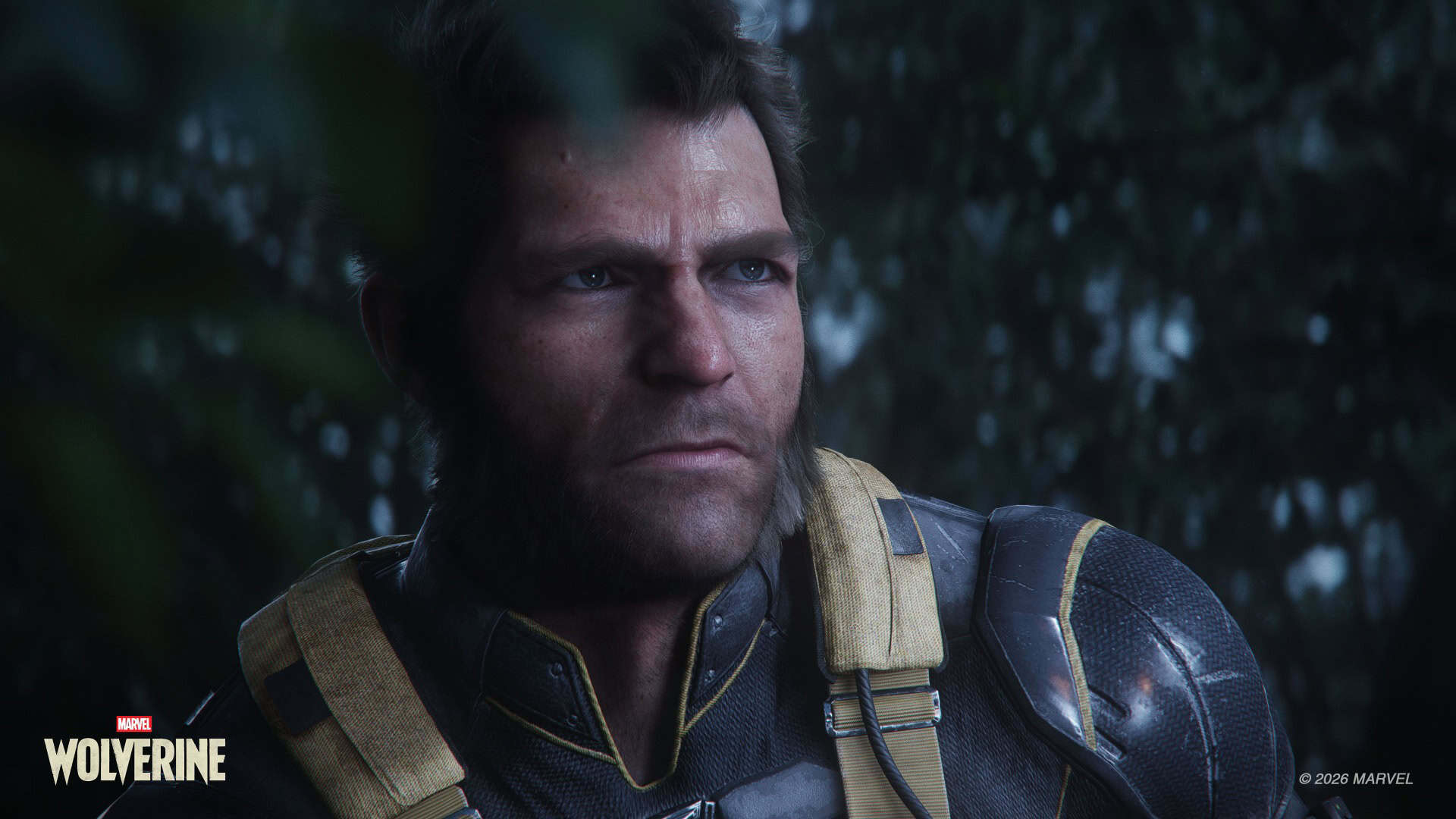
Familiar Claws, Much Heavier Impact
If you have played Insomniac’s Marvel’s Spider-Man games, there is an immediate familiarity to Wolverine’s combat. You can certainly feel some of that same design DNA running through the game, but Logan handles very differently from Spider-Man. Everything is heavier, more aggressive, and considerably more violent.
Your basic attacks are split between light and heavy strikes mapped to Square and Triangle, respectively, allowing you to string together combos while carving through groups of enemies. Special abilities can then be activated once they have charged by holding L2 and pressing one of the face buttons.
The fundamentals are easy to understand, particularly if you are already familiar with Insomniac’s previous games, but Wolverine’s fighting style gives the combat its own identity. Spider-Man dances around encounters. Wolverine tears through them.
There is a weight behind Logan’s attacks that makes every punch and claw strike feel suitably brutal. Enemies react convincingly to what you are doing to them, while Wolverine himself feels like an unstoppable force once you begin getting into a rhythm.
It is exactly what I wanted combat in a Wolverine game to feel like.
Stealth Is Better Than I Expected
One of the biggest surprises from my three hours with the game was just how much I enjoyed the stealth. Wolverine obviously is not the first character that comes to mind when you think about quietly eliminating enemies, but the stealth mechanics worked incredibly well during the sections I played. However, Insomniac does not appear interested in forcing Logan to become something he isn’t. Stealth is completely optional.
You can carefully work your way through an encounter, picking enemies off individually and trying to prevent anyone from knowing that Wolverine is there. Alternatively, you can embrace the character completely and simply launch yourself into the middle of the room with your claws out.
Both approaches feel viable, and I found myself naturally switching between them rather than feeling pushed toward one particular playstyle. Although, I have to admit, there is something especially satisfying about thinning out an enemy group before deliberately abandoning stealth and letting Wolverine loose on everyone who remains.
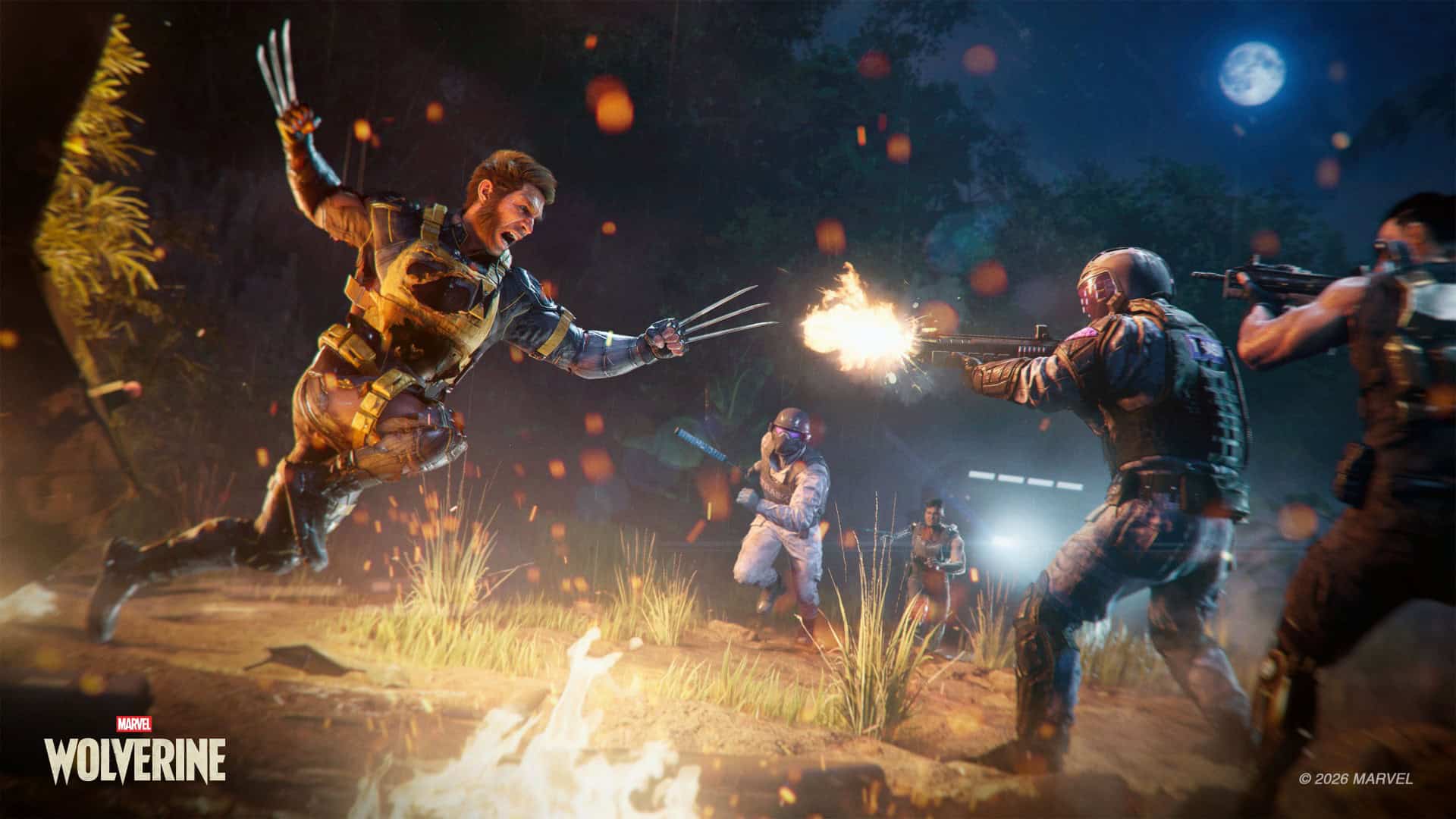
Rage Turns Wolverine Into A Monster
Where Marvel’s Wolverine really begins to separate itself from Insomniac’s Spider-Man games is through its Rage system. As you engage in combat, Wolverine builds a Rage meter that is divided into three levels, with each stage offering different benefits.
From what I experienced, Level One primarily acts as a means of healing Logan following combat. Wolverine’s healing factor is obviously one of the most important aspects of the character, so incorporating it directly into the gameplay systems feels like an obvious but smart decision.
Level Two takes things considerably further. If Logan takes too much damage within a short period and goes down, he can use his Rage to restart his heart and healing factor, effectively pulling himself back into the fight.
Then you reach Level Three. This is where the animal gets unleashed. Once Wolverine reaches maximum Rage, activating it with L2 and R2 sends Logan into an absolute frenzy. What follows are some of the most brutal executions I have seen in a game, as Wolverine completely tears through anyone unfortunate enough to be standing in front of him. Calling it bloody would be an understatement. There is a viciousness to these sequences that feels completely appropriate for Wolverine, and Insomniac clearly is not shying away from what those adamantium claws would actually do to somebody.
The most interesting part, however, is how Rage ties into the wider progression system. As you level up Wolverine, you earn points that can be spent unlocking different techniques. With the right combination of upgrades, it is possible to create a build where executions during Level Three Rage partially refill the meter, allowing you to remain in that state for even longer.
During the preview, I managed to get into a flow where one execution led directly into another, extending my Rage and leaving the area looking like Wolverine had been dropped into the middle of a horror movie. It was glorious.
That said, Insomniac is also giving players the option to disable the blood in the settings. So, if the sheer level of violence is not your thing but you still want to experience Logan’s story, you will be able to tone things down considerably.
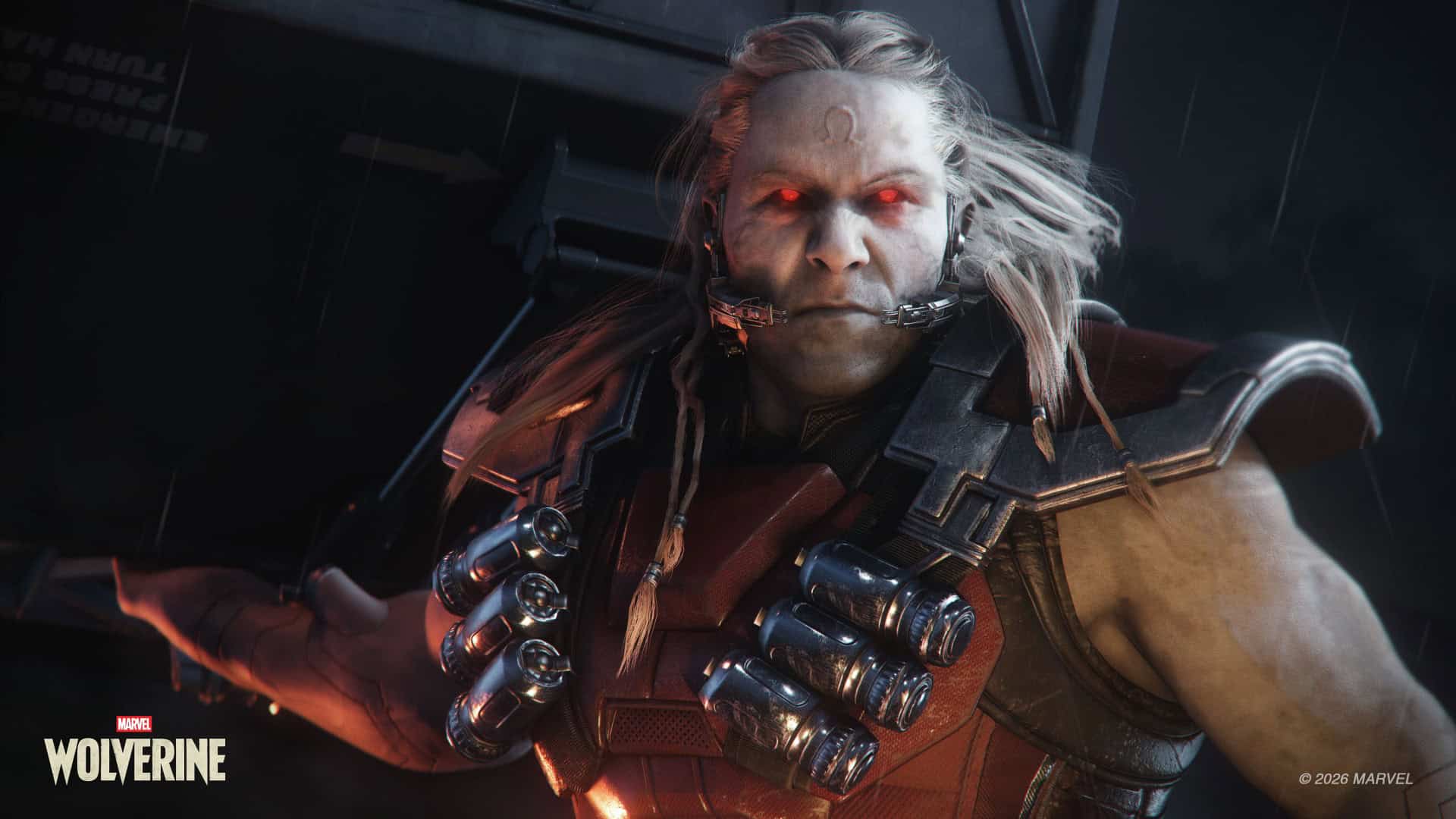
Wolverine Has Plenty Of Looks To Choose From
Of course, it wouldn’t be a modern superhero game without plenty of outfits to unlock, and during my hands-on, I got to see several of the looks that will be available for Logan. There is a good mixture here, ranging from completely new designs created specifically for Marvel’s Wolverine to classic comic book-inspired costumes and even looks based on Wolverine’s appearances on the big screen. I obviously didn’t get to see everything the full game has to offer, but what was shown already suggests Insomniac is digging pretty deep into the character’s history.
Some of the outfits even come with their own unique claw designs, but thankfully, you aren’t forced to use them as a complete set. Outfits and claws can be mixed and matched, meaning if you love the look of one Wolverine costume but prefer the claws associated with another, you can combine the two. It is a relatively small touch, but one that gives players considerably more freedom when putting together their preferred version of Logan. Given just how many interpretations Wolverine has had across comics and movies over the decades, I can already see myself spending far too much time deciding exactly which version of the character I want to run around as.
Liam McIntyre Is Already Making Logan His Own
Combat might be the first thing people think about when discussing a Wolverine game, but one of my biggest concerns going into the preview was actually the story. Wolverine is a character who has been interpreted countless times across comics, animation, television, and film. Hugh Jackman, in particular, has become synonymous with Logan for an entire generation, making any new performance an incredibly difficult act to follow.
Based on what I experienced, Liam McIntyre appears more than capable of doing exactly that. McIntyre brings an emotional gravitas to Logan that, for me, is only matched by Hugh Jackman in the movie Logan. There are certainly moments where you can sense inspiration taken from Jackman’s interpretation of the character, but McIntyre does not feel like he is simply trying to imitate him. Instead, he already appears to be making Logan his own. There is a weight to his performance that matches the physicality of the gameplay. His Logan feels tired, angry, dangerous, and emotionally vulnerable without ever losing the edge that makes Wolverine such a compelling character.
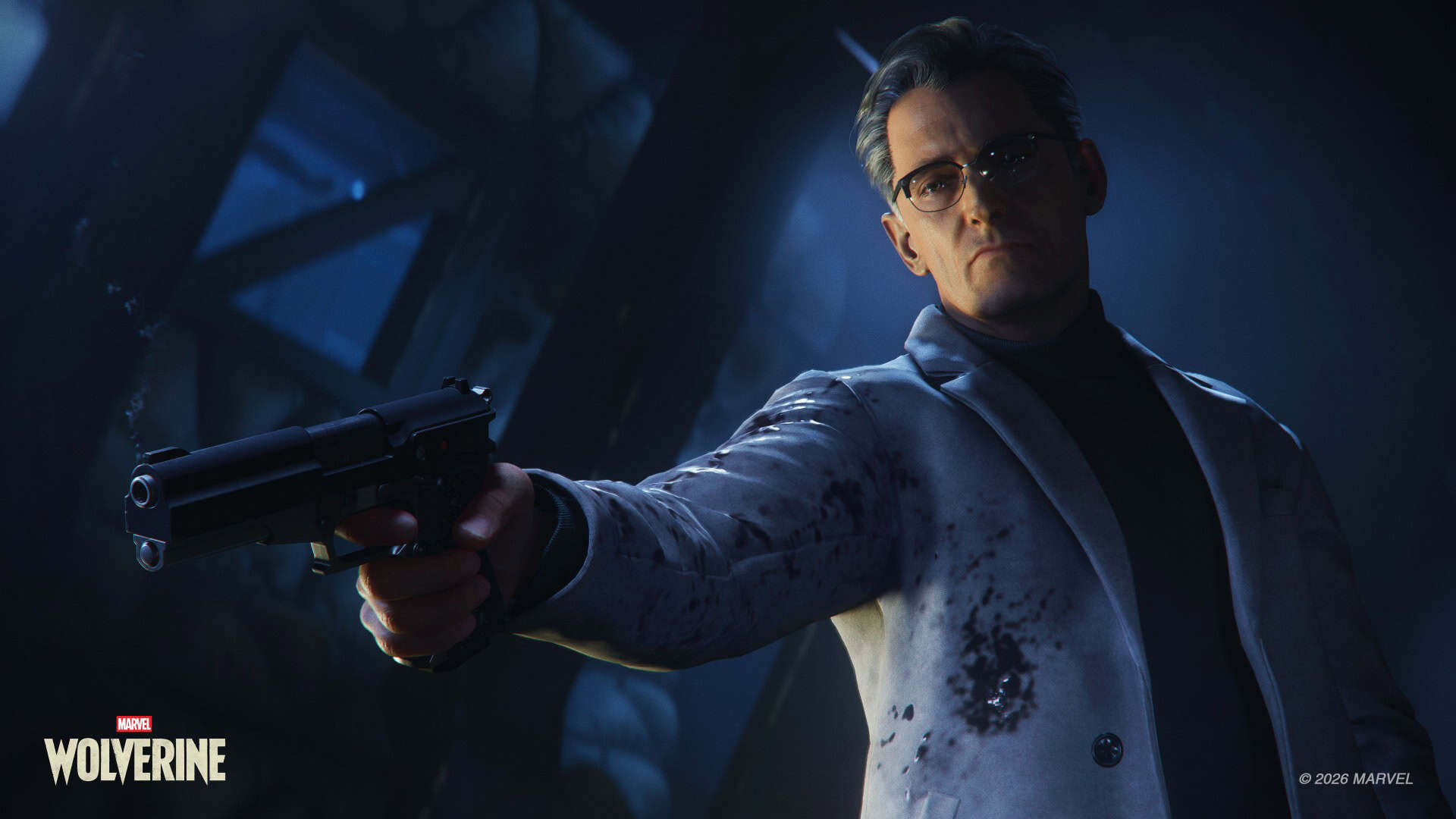
The biggest highlight of the preview for me, though, was his interactions with Troy Baker’s Nathaniel Essex. The scenes between the pair were excellent, with both actors completely nailing their respective roles. Their relationship immediately became one of the aspects of the story I am most interested in seeing develop throughout the full game. I obviously cannot say much more about the circumstances surrounding their interactions, but those moments went a long way toward easing my concerns about the narrative.
Insomniac Continues To Raise The Visual Bar
Marvel’s Spider-Man 2 was already an impressive-looking game, but Wolverine appears to be another step forward for Insomniac. The most noticeable improvement during my hands-on was the facial animation. There is considerably more nuance in the way characters emote, particularly during quieter conversations where subtle changes in expression help sell the performances. Combined with the quality of the acting, it gives several scenes a cinematic quality without making the characters feel overly artificial.
The overall presentation also feels appropriately darker than Spider-Man. This is still unmistakably an Insomniac game, with its colorful character models that pop off the screen and an almost cartoonish rather than grounded version of realism. Not to mention the colorful indicators for when to dodge, parry, etc., which are almost identical to Spider-Man in many ways. But Wolverine has a noticeably grittier visual identity that changes the tone completely despite a similar art style, moving toward a look that suits Logan and the world surrounding him.
Technically, the game was also remarkably solid. The build I played was already several weeks old by the time of the preview, yet I encountered very little that pulled me out of the experience. It is worth mentioning that my session was played on PS5 Pro, so I cannot speak to how the game currently performs on the standard PlayStation 5, but what I experienced was extremely polished considering the game is still in development.
Going Linear Was The Right Decision
Alongside the story, the other major concern I had before playing Marvel’s Wolverine was the decision to move away from the open-world structure of Insomniac’s Spider-Man games. After three hours, I completely understand why they did it.
Wolverine simply does not need an enormous city filled with icons and side activities. The more linear structure allows Insomniac to control the pacing much more tightly and create combat encounters, story moments, and environments specifically around Logan’s abilities. More importantly, it fits the character. Wolverine works best when his stories feel focused and personal, and the sections I played already felt much more intimate than the massive superhero spectacle we have come to expect from Spider-Man.
That does not mean the game feels restrictive. The areas I explored still offered enough room to approach encounters differently, particularly when stealth was involved, but everything felt deliberately constructed around what the game wanted me to experience. After playing it, I would not want Marvel’s Wolverine to be open world.
Wolverine Could Be Something Special
I went into this preview with two significant concerns: the story and the decision to make Marvel’s Wolverine a more linear experience. I came away considerably more confident about both.
Insomniac appears to understand that Wolverine cannot simply be Spider-Man with claws. There are familiar elements within the combat and overall design, but everything has been adapted around Logan’s personality, physicality, and history.
The combat is brutal and satisfying. Rage allows Wolverine to become the unstoppable animal fans expect him to be. Stealth is surprisingly strong without ever being forced upon the player. The customization options already look extensive, Liam McIntyre is delivering an excellent interpretation of Logan, and Troy Baker’s Nathaniel Essex has left me desperate to see what happens next.
Even the decision to step away from an open world makes significantly more sense now that I have actually played it. There is obviously still a lot of Marvel’s Wolverine that I have not seen, and three hours is nowhere near enough time to know whether Insomniac can maintain this quality across the entire adventure. But if it can, then Marvel’s Wolverine could very easily become one of my front-runners for Game of the Year.
Marvel’s Wolverine launches exclusively for PlayStation 5 on September 15, 2026.
