

Sword Art Online has been a part of my life for years. I’ve watched every season, read a good chunk of the manga, and sat through my fair share of SAO games that all seem to circle back to the same story beats and familiar characters. So, when Echoes of Aincrad: Sword Art Online was announced as its own thing, with a customizable protagonist and a story that wasn’t just another retelling of what I’ve already watched a dozen times, I was ready to jump in.
This is exactly the kind of Sword Art Online game I’ve been waiting for. A new story, new faces, and a chance to see Aincrad from a different angle sounded like the right move. But wanting something and actually getting it are two very different things, so the real question is simple: did Echoes of Aincrad actually deliver?
Game Name: Echoes of Aincrad: Sword Art Online
Platform(s): PlayStation 5, Xbox Series X|S, PC
Reviewed On: PC
Developer(s): Game Studio Inc.
Publisher(s): Bandai Namco Entertainment
Release Date: July 10, 2026
Price: $69.99
A Story Worth Playing For
While several Sword Art Online games return to the anime’s familiar story, Echoes of Aincrad doesn’t fully follow that path. Yes, there are some crossover moments, but this game introduces a full campaign that isn’t just another run through the story fans already know. So if you’ve been jonesing for something that doesn’t make you replay the same SAO moments again, this is one of the game’s biggest wins.
What worked for me is how the story plays with the darker side of being trapped inside a game. We all enjoy the world of Sword Art Online, but I don’t think many of us really stop to think about how terrifying it would be to live inside that situation. Being unable to return to your real life, being forced to follow the rules of a digital world, and dealing with the mental toll that comes with it is something this game actually spends time exploring.
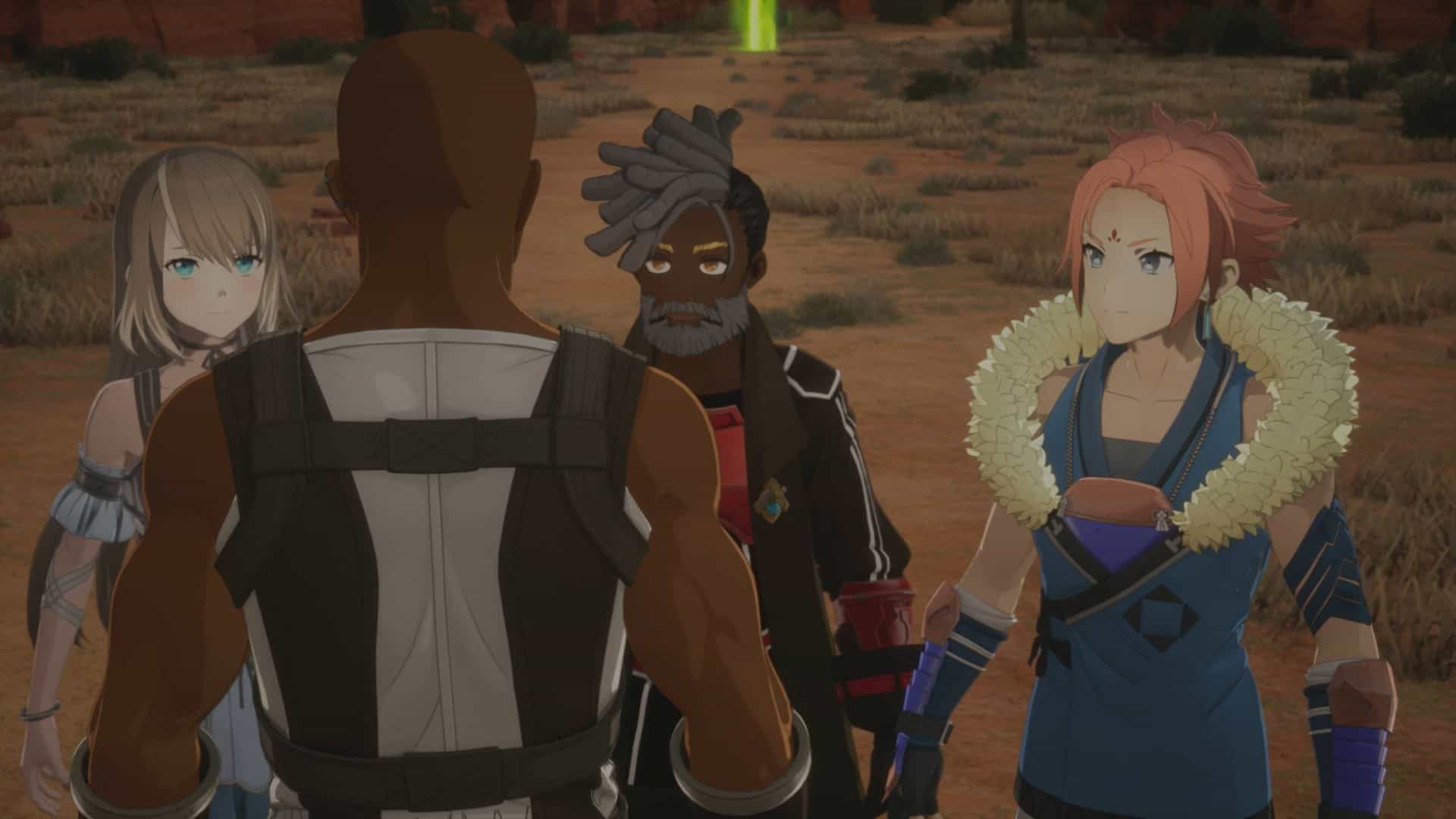
That gives Echoes of Aincrad a little more bite than I expected. Some of the story beats touch on isolation, harassment, and what happens when people start breaking down inside a place they can’t escape from. At one point, the game had me thinking about something I hadn’t really considered before, mostly because the world of SAO has always been fiction to us. Here, the game does a decent job of making that situation feel more personal.
On the cheerier side of things, you also get to interact with a number of familiar SAO characters, either through questlines or by having them join your party. I’m not going to spoil who shows up, because that is part of the fun. Just know that the game doesn’t completely ignore the larger series, even while trying to tell its own story that fans of the series will enjoy.
A Beautiful Aincrad That Doesn’t Let You Explore
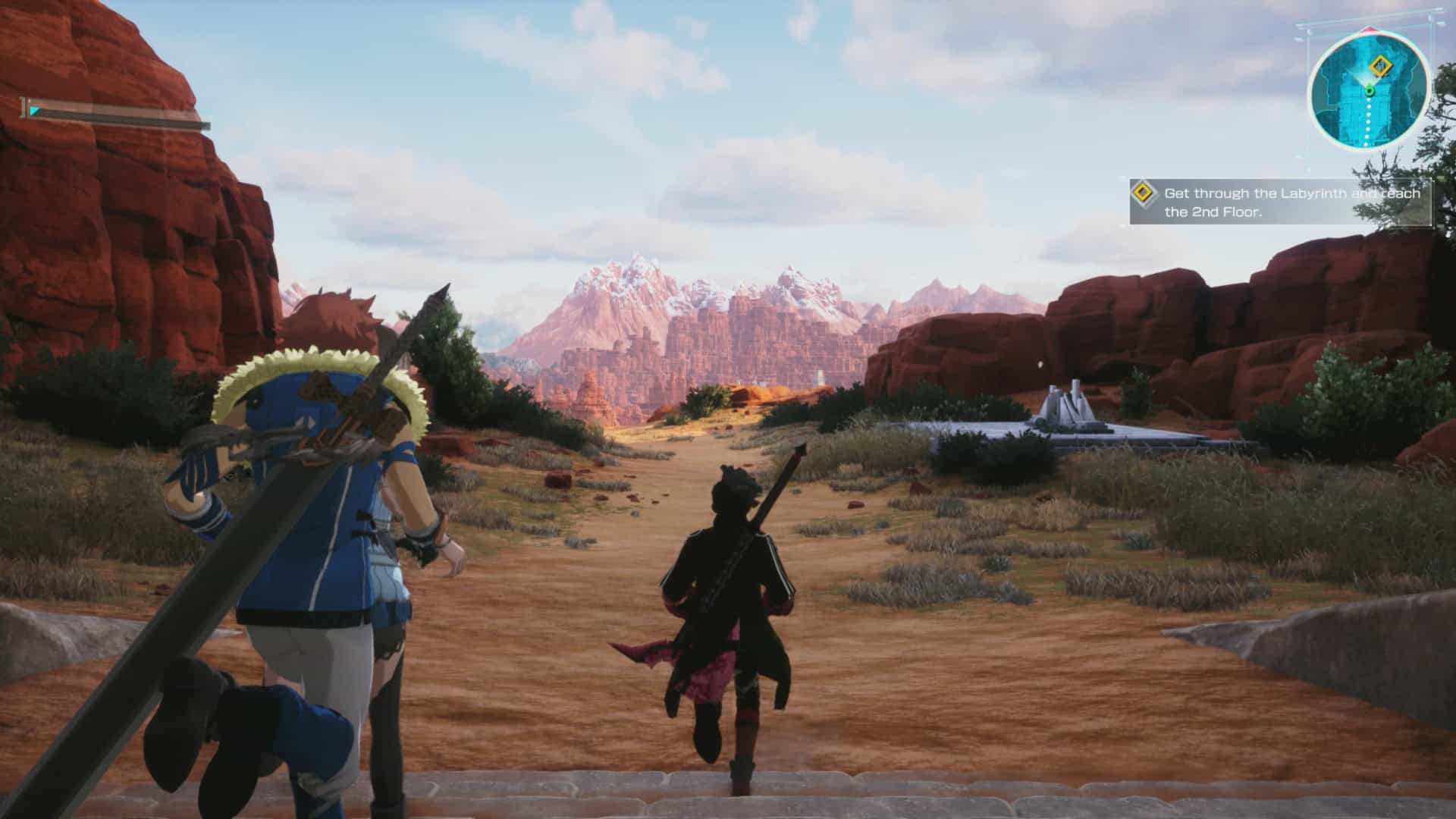
My biggest issue with Echoes of Aincrad comes down to how the world is structured. You never really get to freely explore the floors the way I hoped you would. Instead, you have to be on a quest, and even then, you can’t simply walk out of town and start adventuring. You need to find the quest structure, accept a quest, and only then does the game send you out into the world.
It’s a strange design choice because the game gives you the appearance of an open floor without the freedom that should come with it. Once you’re out there, the world looks nice, but it feels empty. Outside of monsters randomly spawning, and the occasional elite monster area, there isn’t much happening. No surprises, no random events, no real sense that Aincrad is a living, dangerous place filled with secrets.
The real kicker is that Aincrad is sectioned off by quest boundaries. You are given a predetermined play area, and that’s it. See a cool structure in the distance? Too bad. If it’s outside your quest zone, you can’t go there. Try to reach it anyway and the game throws up a message telling you that you’re out of the area before yanking you back into your assigned space.
That completely kills immersion, and honestly, it’s one of my biggest frustrations with the game. The Sword Art Online anime made Aincrad feel like a massive world packed with danger, exploration, and secrets waiting around every corner. Echoes of Aincrad captures the look, but not the feeling of being able to lose yourself in that world. The frustrating part is that the world itself looks great. The towns, structures, fields, and dungeons all show that the developers understood the visual appeal of SAO. There are places you want to run toward, areas you want to poke around in, and sights that make you wish the game would just let you explore. It just doesn’t, and the longer I played, the more that limitation wore on me.
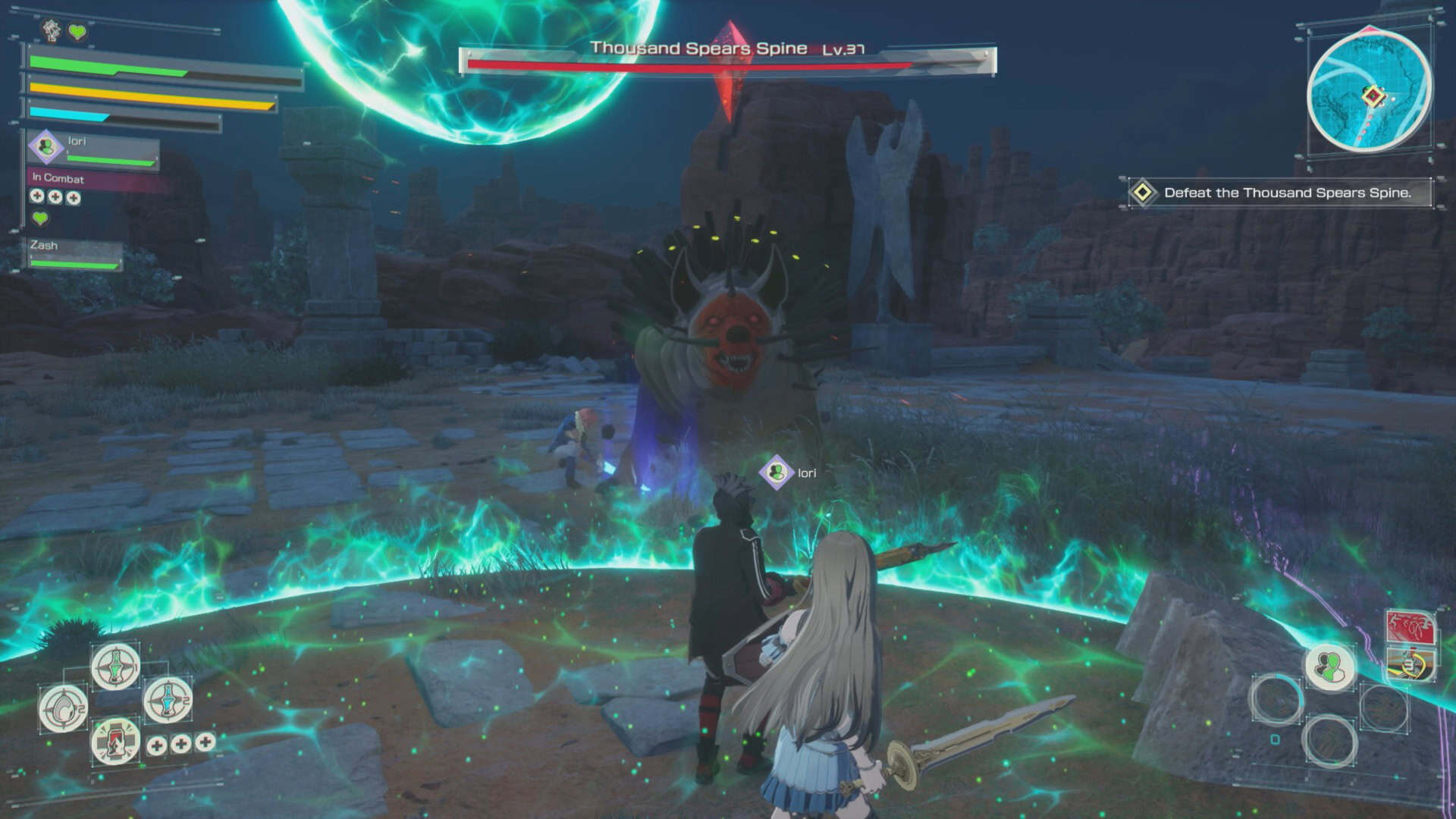
Thankfully, things do pick up once dungeons become a bigger part of the experience. That’s where the game starts throwing more enemies at you, and the challenge begins to ramp up. It doesn’t completely fix the empty world problem, but dungeons do help the game feel more active and dangerous than the open areas ever do.
Combat Gets the Job Done
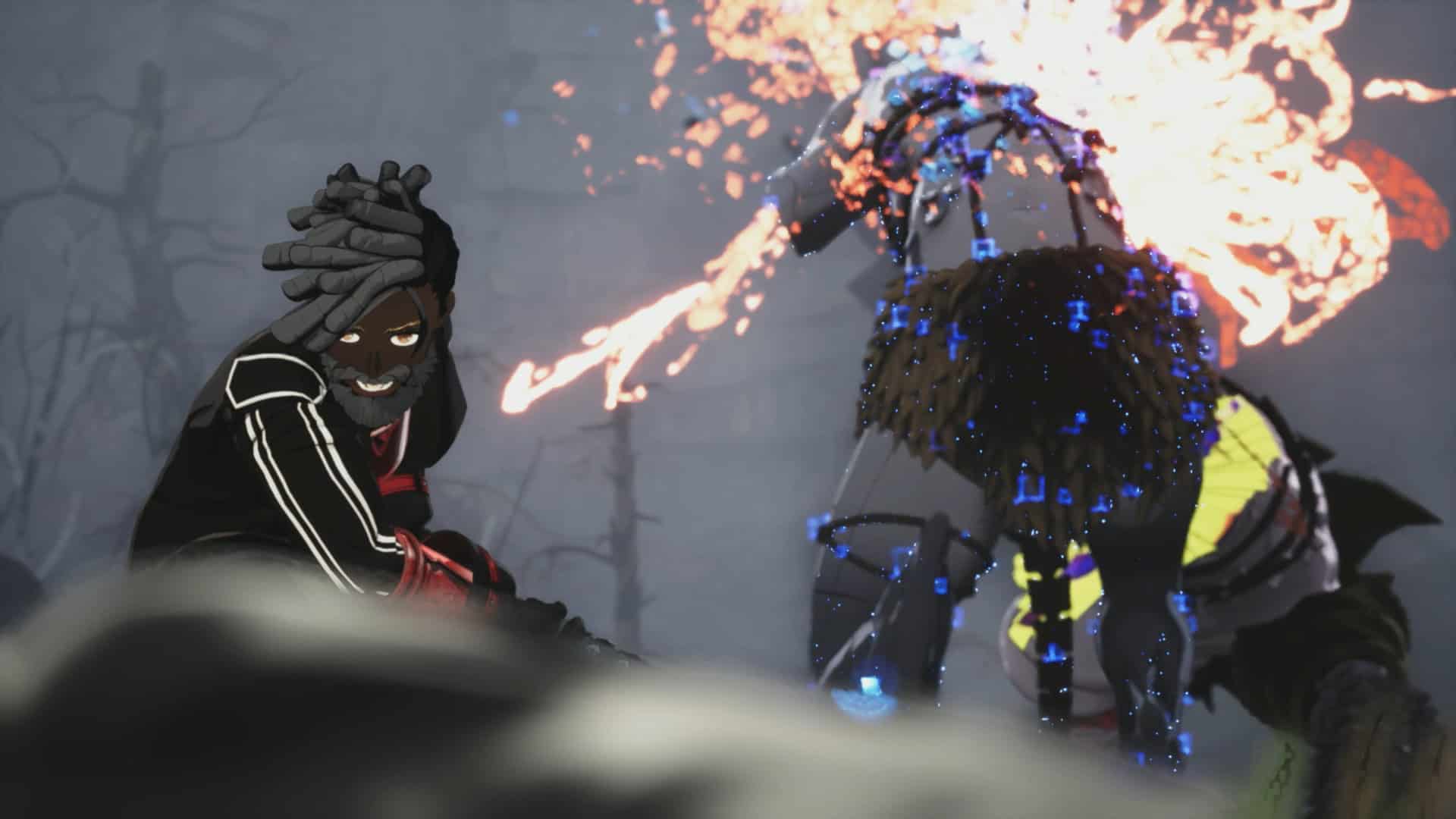
Combat in Echoes of Aincrad is fine, but rarely exciting. You deal damage using light and heavy attacks, along with sword arts that you unlock as you progress. These special attacks are your main damage dealers, and you can swap them out as you earn more. They cost Spirit Power and come with cooldowns, which stops you from spamming your way through fights. It’s not that the combat is bad, just a bit repetitive, but once you start adding AI party members and more sword arts, you can start to have a bit more fun. It’s just a slow burn early on.
Companions help make combat feel a little more alive. You can select certain party members or have characters automatically join you as the story progresses. There’s a nice mixture of characters to choose from, and you’re able to swap and upgrade their weapons, as long as those weapons stay within their original weapon class. That keeps them from becoming useless as the game goes on.
And they are far from useless. I’ve watched companions take on packs of enemies and come out on top, and they can even hold their own during boss fights. There have been times where I sat back and let the AI do all the work, especially when I ran out of heals. That said, don’t expect them to tank everything forever. They can and will go down, and if you’re lucky enough to get a few spare seconds, you can revive them before things get worse.
The only downside to the AI companions is that they simply won’t stop talking. They’ll yell if they see a new enemy, or a treasure chest. And it’s not once in a while; it’s all the time. They simply won’t stop talking and there’s no way in the games’ settings to stop them.
Hey, Didn’t I Already Kill You
Enemy variety is an issue in this game. Throughout the entirety of it, you’ll end up fighting the same types of creatures over and over, with many of them feeling like color swaps or slightly stronger versions of something you’ve already killed countless times. After a while, it starts to feel like the game is asking you to keep cleaning up the same enemy list without adding enough new threats to keep things fresh. Sure, it throws in a new one at every location, but that’s still not enough.
To quote a very tired Heero Yuy from Gundam Wing, “how many times must I kill that girl?” Except here, swap out girl for boar, hog, fox, or that stupid rat thing that keeps taking my money. A little more creature variety would have gone a long way.
Weapons and Customization Are the Bright Spot
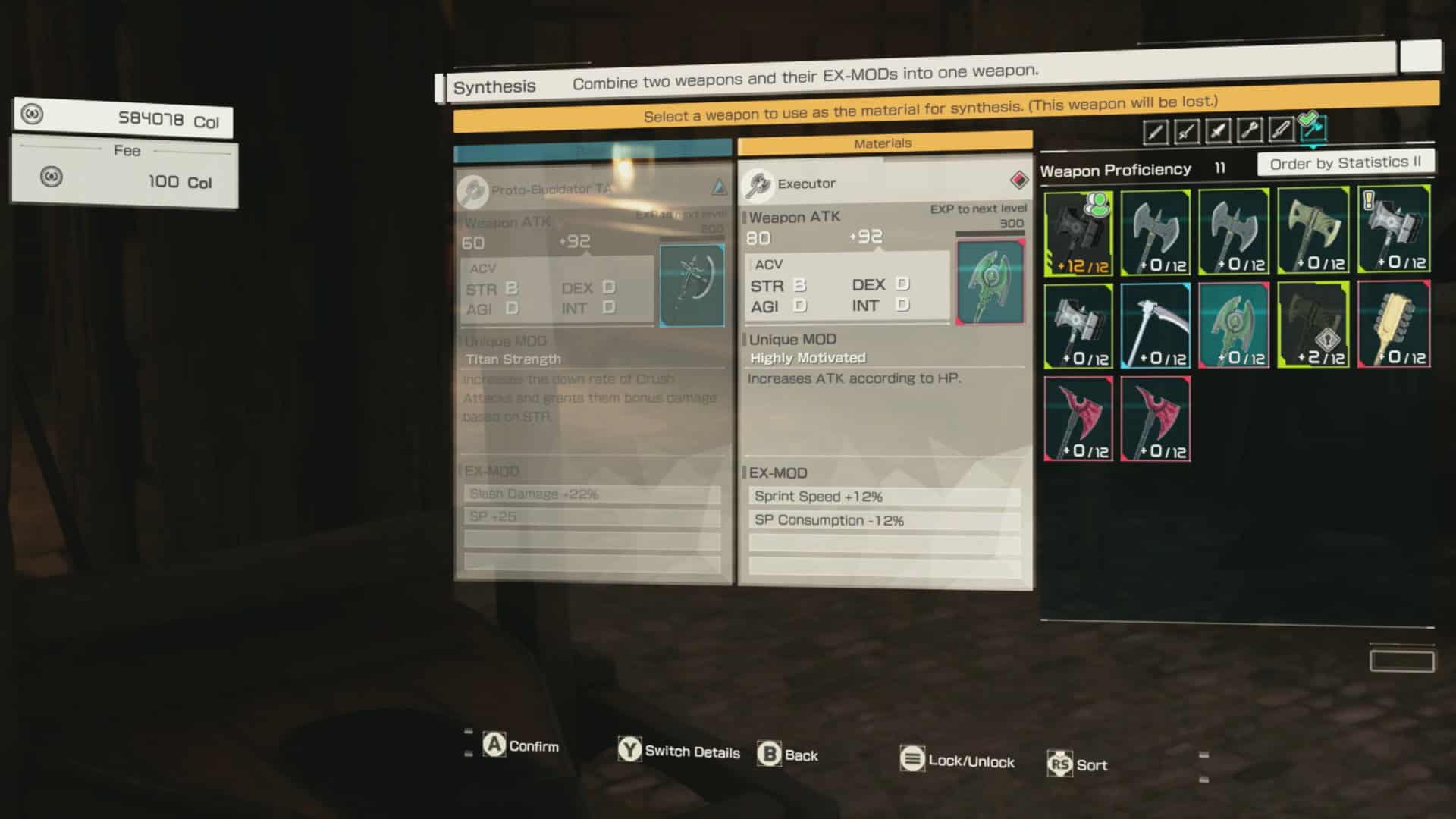
The strongest gameplay system in Echoes of Aincrad is easily the weapon variety and customization. The game offers a solid range of weapons, and from what I used the most, including the Great Axe, Broadsword, and Sword and Shield, each one actually feels different in your hands. Smaller weapons swing faster and lighter, while heavier weapons are slower, hit harder, and require more stamina to use.
That’s exactly how it should feel, and this is where the combat starts to show more personality. You can earn sword arts tied to specific weapon classes, then swap those abilities around on your combat screen. Used in the right order, some of these skills can absolutely delete whatever is standing in front of you, which also explains why cooldowns are necessary.
The weapon customization deserves credit too. You can take surplus weapons and dump them into your favorite weapon as upgrade material, or pull perks off of weapons you don’t want and slot those perks into the one you actually plan to use. I built mine around faster experience gain, quicker swing speed, and extra attack power, and by the end, I had something that felt like it was truly mine.
That is the game giving you real room to craft your ideal weapon, and it works. The problem is that weapons are the only system that gets this kind of depth. Everything else feels far more limited by comparison, which makes the customization feel both impressive and oddly isolated from the rest of the game.
That also ties into one of the game’s stranger choices: you can’t swap weapons once you’re out in the world or inside a dungeon. Once you leave town, you’re stuck with whatever weapon you had equipped until you return. Finding a new weapon and not being able to try it right away feels bad, especially in a game based on a series where characters are constantly checking gear and adapting on the fly.
But seriously, why the hell can’t I customize my armor and shields? This was such an easy win right there.
Some Design Choices Hold It Back
Several design choices make it feel like the developer understood the look of Sword Art Online more than the freedom and flexibility that make that world exciting. Gear drops are a good example. When weapons drop in the world, you see all those pretty colors that make you want to pick them up, but once they’re in your inventory, you don’t get much to work with.
You can see the weapon name and class icon, but not the actual weapon itself. You also can’t equip it on the spot or at save points you find while exploring. Instead, you have to hike back to town, head to your room, and equip it there, which feels off for a Sword Art Online game. Anyone who has watched the anime knows characters are constantly picking up weapons, checking inventory, and equipping gear without needing to run back home first.
Then there’s locking additional partners and features such as transmog and glamour changes behind missable quests that don’t immediately show up. Unless you seek them out in the cities, or get the subtle hints, you’ll likely end up missing them.
And then there’s the rather strange issue of not being able to pause. There’s no online component to the game, and yet, you can’t pause at all. Still, none of these issues ruin the game by themselves, but together, they keep Echoes of Aincrad from being the SAO game it clearly wants to be.
Performance
Performance is one area where Echoes of Aincrad surprised me. As I expected, the game ran great on my PC, which is running a Ryzen 9 9950X, RTX 5090, and 64GB of RAM, and I played the game at max settings without running into any noticeable stutter, hitching, or performance issues. However, also tested it on a mid-range laptop with an Intel i7 processor and RTX 3070 at max settings, and it ran better than expected. Meanwhile, my Legion Go 2, running the game at low and medium settings, was able to hit 40-50 FPS depending on where I was in the game.
Even with the game running on Unreal Engine 5, which has had its fair share of problems on PC, I didn’t experience any noticeable stutter or hitching across the devices I tested. Given how many rough PC ports we’ve seen lately, that was nice to see.
This is one area where the game deserves credit. It may not give PC players many settings to play with, but it runs smoothly, looks good, and didn’t fight me across the different systems I tested it on. For a licensed anime game, and especially one running on Unreal Engine 5, that’s a win.
Verdict
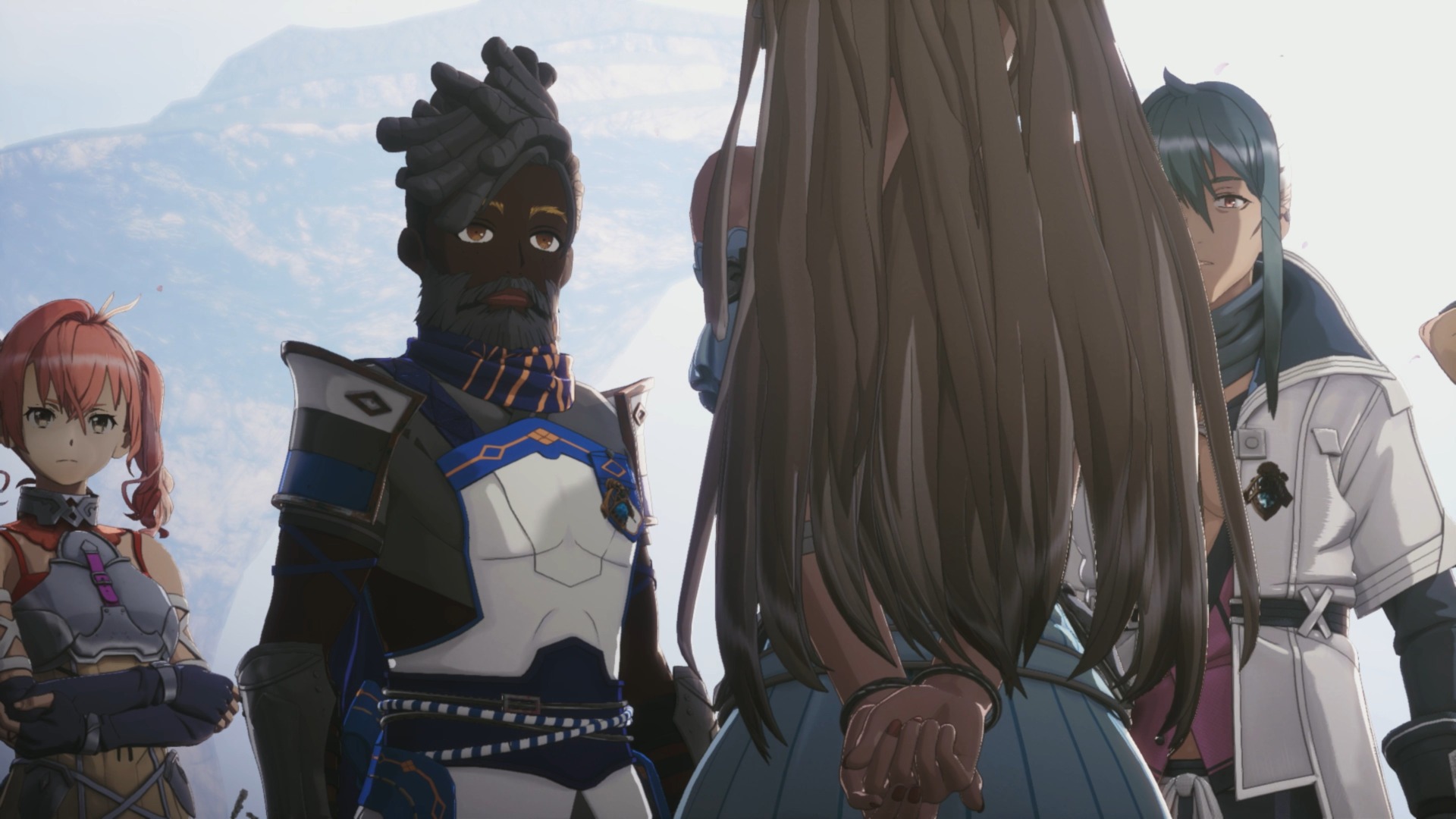
It may sound like I’m being hard on Echoes of Aincrad, but that’s not the same as disliking it. As a fan of the series, I came away both entertained and disappointed. The story takes a while to get going, but once it finds its footing, it gives Sword Art Online fans a new story, new characters, and a version of Aincrad that looks the part.
The game also includes details fans will appreciate, including the Monument of Life from SAO: Progressive, which you can visit to see how characters in this world met their end. Those touches show that the developers cared about the source material, even if the game struggles to make Aincrad feel like a place worth exploring.
If you’re new to Sword Art Online, this may be a tougher sell. But if you’re already a fan of the series, Echoes of Aincrad is still worth playing, even with its shortcomings. It’s not the definitive Sword Art Online game I’ve been waiting for, but it is one of the more interesting attempts at giving fans something new.
If you enjoyed this review, explore more of our in-depth video game reviews across PlayStation 4, PlayStation 5, Xbox One, Xbox Series X, Nintendo Switch, Nintendo Switch 2, and PC.
Review Disclosure Statement: Echoes of Aincrad: Sword Art Online was provided to us by Bandai Namco Entertainment for review purposes. For more information on how we review video games and other media/technology, please review our Review Guideline/Scoring Policy.
Echoes of Aincrad Review - A Fresh SAO Story Trapped In A Limited World
Echoes of Aincrad: Sword Art Online gives longtime SAO fans a fresh story, useful companions, strong weapon customization, and a great-looking take on Aincrad. However, restricted exploration, repetitive enemies, and odd gear limitations keep it from becoming the definitive SAO game fans have been waiting for. Despite those issues, it’s still a worthwhile title for fans of the series to check out.
Pros
- New fresh and enjoyable SAO story
- Strong weapon customization
- Useful AI companions
- Great visual take on Aincrad
Cons
- Overworld exploration is too restricted and feels empty
- Repetitive enemy variety
- Odd gear restrictions
- AI companions will not shut up
