

With action RPGs hitting their stride over the past few years, it feels like everyone is trying their hand at them. That has given us some really amazing games, but it also means a new one has to do something different if it wants to stand out. That brings me to The Blood of Dawnwalker, the upcoming dark fantasy action RPG from Rebel Wolves, a studio made up of former CD Projekt Red developers, with Bandai Namco Entertainment publishing the title.
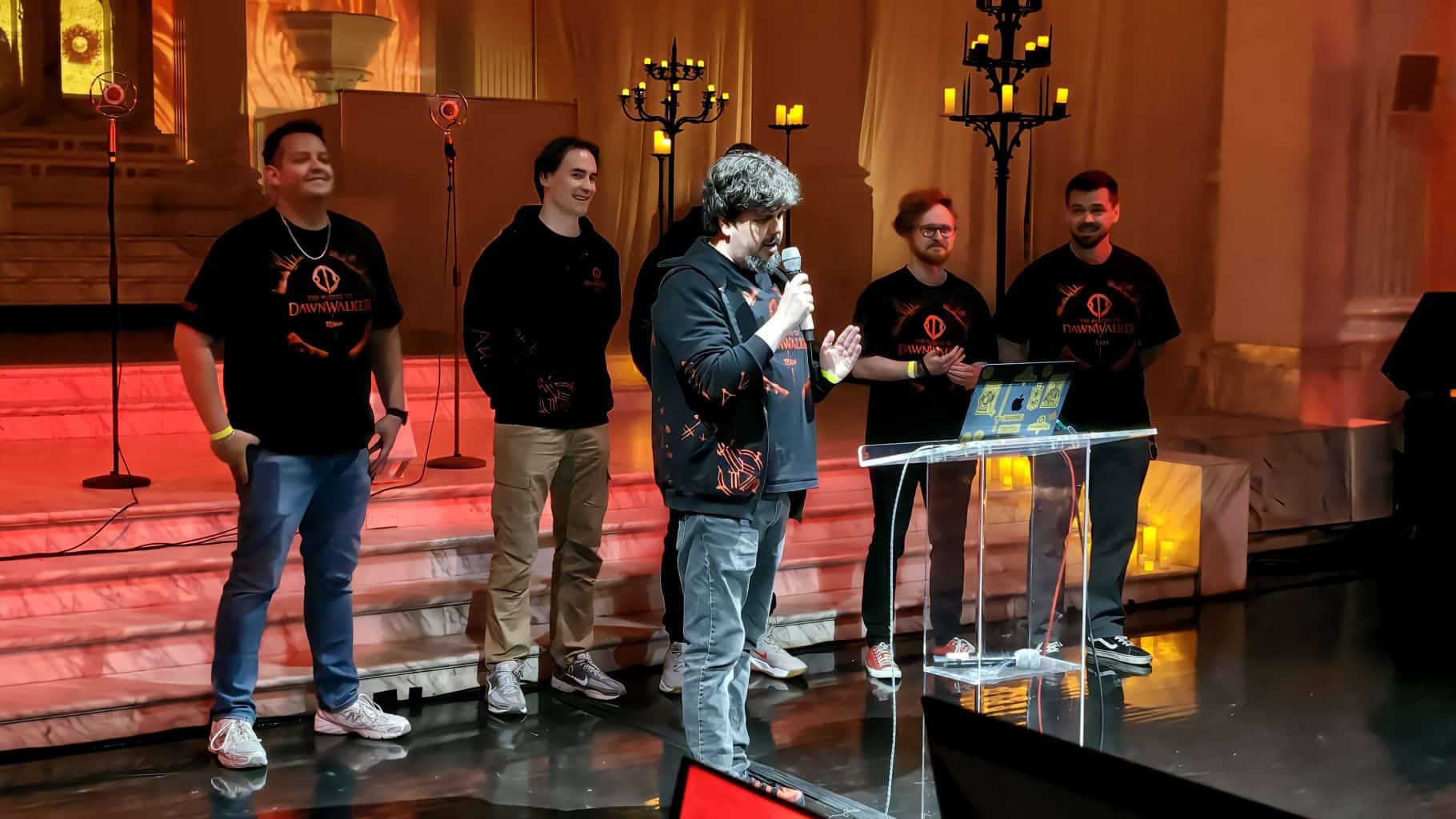
The Blood of Dawnwalker is set in 14th-century medieval Southeast Europe and follows a world filled with vampires, werewolves, ghouls, and plenty of other things that go bump in the night. I’ll be honest, this is one of those games I knew about, but I wasn’t following it as closely as others were.
That changed recently, as Bandai Namco invited me to a private event right after Summer Game Fest, giving me a chance to go hands-on with a small slice of the game. For this preview, I was able to see some of the story, how quests work, how combat feels, and just enough of the world to get a better idea of what Rebel Wolves is building here. It wasn’t enough to judge the full game, and I’m not treating this like a review, but it was enough to understand what the team is aiming for.
A Vampire Story With Some Bite
If you haven’t been following The Blood of Dawnwalker, the name should already give you a pretty good idea of what you’re getting into. Vampires are a big part of this world, but they aren’t the only things hiding in the dark.
You play as Coen, a man who was once human before being turned into something else. However, the transformation didn’t exactly go as planned, leaving him caught between two worlds, with his human side taking over during the day and his vampire side coming out at night. I won’t spoil the story details here, because that would defeat the purpose of a preview. What I will say is that tragedy strikes, Coen is forced into a very personal fight, and the game seems interested in letting you decide what kind of person, or monster, he becomes.
You can try to be the good guy, lean into being a complete menace, or sit somewhere in the middle where things get a lot more morally grey. That already has my attention, because those are usually the choices that make RPGs more interesting.
The Quest System Is Where Things Get Interesting
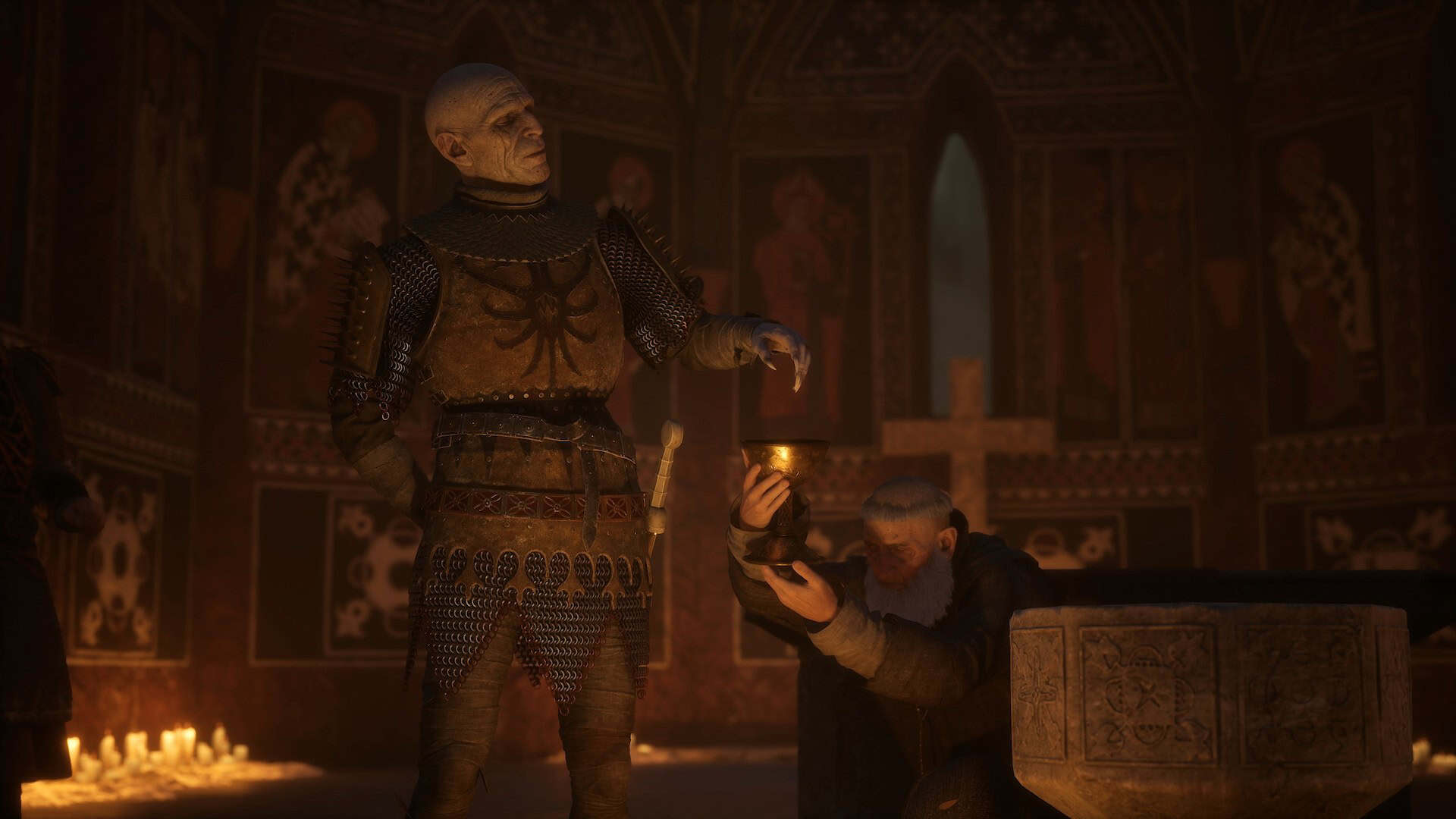
One thing that stood out right away is how The Blood of Dawnwalker handles quests and time. The story is clearly important, but the game doesn’t seem interested in forcing your hand every step of the way.
There are main quests that move the story forward, but you’re also free to chase side quests, explore, or get distracted by whatever catches your eye. The catch is that time matters, and Coen has 30 days and 30 nights to save his family from a fate worse than death. That sounds stressful at first, but thankfully, simply moving around the map does not push time forward. That is great for people like myself, because I enjoy checking out every corner of a map just to see what is out there. I don’t want to feel punished for exploring, and from what I played, The Blood of Dawnwalker seems to understand that.
Instead,specific quests are what move time forward, which makes your decisions feel more meaningful. You aren’t just asking yourself what quest you want to do next, but whether that quest is worth spending part of your limited time on. That gives the game a different kind of pressure without making exploration feel like a mistake.
I do remember Rebel Wolves mentioning that players will be able to continue playing past those 30 days and 30 nights, but I don’t want to misquote exactly how that works until I can see it in the full game. For now, what matters is that the time system gives the game a different kind of pressure, where you aren’t just checking boxes off a map.
Dialogue also plays into that, as I was able to talk to NPCs and make choices that could shift the outcome of conversations. Sometimes picking the wrong option can take things in a different direction, while other times you can lean into Coen’s darker side.
Yes, that includes giving in to your hunger and feeding on people. That option is both messed up and kind of hilarious, depending on how you look at it, but it also factors into character progression and makes you stop to think about what kind of monster you’re becoming.
Combat Took A Moment, But Then It Clicked
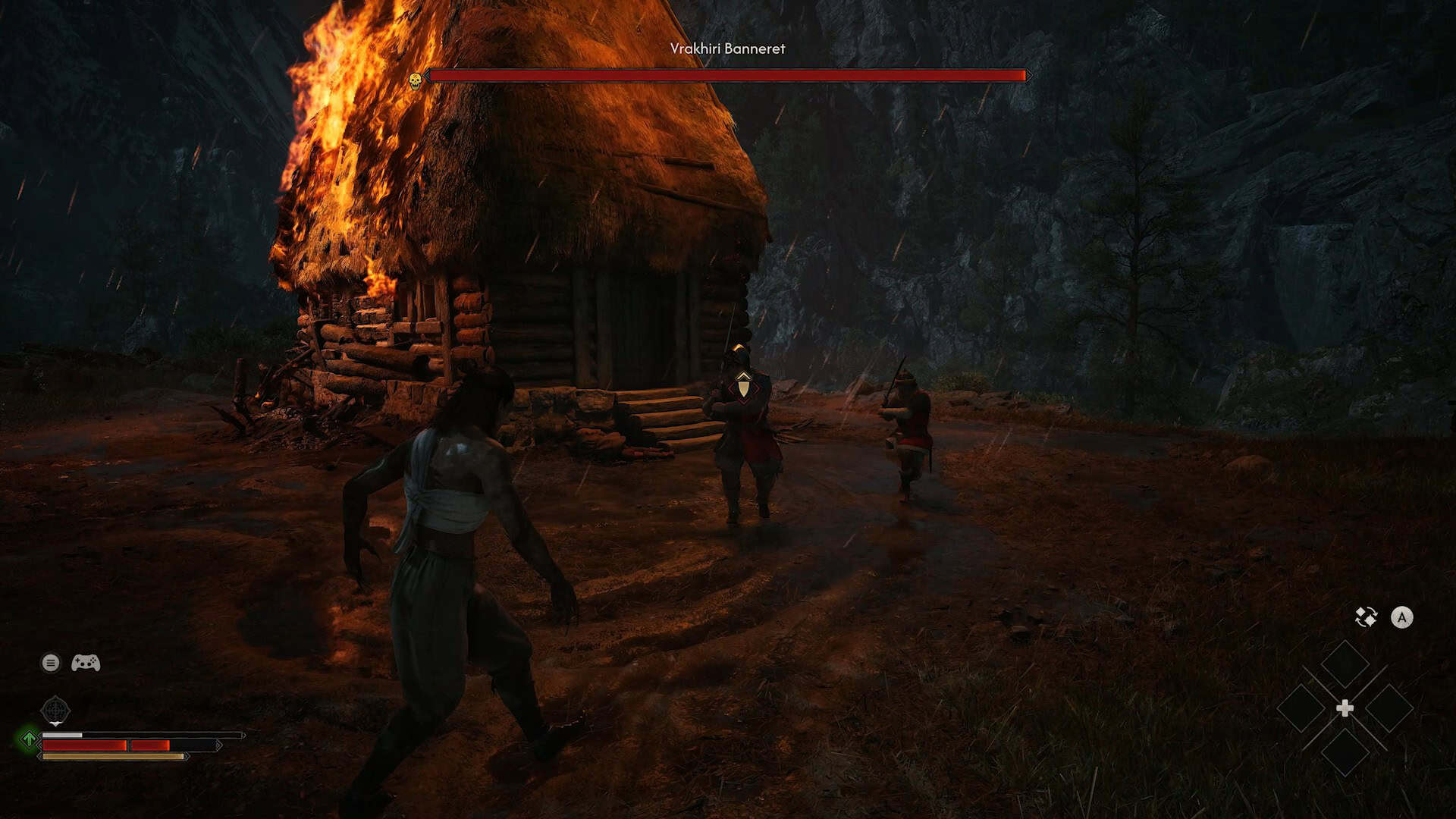
Combat was the part of The Blood of Dawnwalker that surprised me the most. I expected something more traditional, but Rebel Wolves is doing something a bit different here. There isn’t a basic light attack and heavy attack setup like you’d expect from a lot of action RPGs.
Instead, combat changes depending on whether you’re fighting during the day or at night. During the day, Coen relies more on his sword and human abilities. At night, his vampire powers come into play, giving him access to more devastating attacks, supernatural abilities, and even the chance to bite enemies to regain health.
Both sides of combat felt good, but what I really enjoyed was the directional system. At first, I thought it was going to drag the combat down, because you don’t simply attack and block like you would in many other action RPGs. Instead, you have to pay attention to direction, attacking and defending from different angles. Enemies will block your attacks, so you need to change where you strike, and when they attack you, you need to block from the right direction or you’re going to get punished.
It took me some time to get used to it, and yes, I got my butt handed to me more than a few times. But once it clicked, I started to enjoy what the game was doing, especially because it asked me to learn the combat instead of just mashing my way through everything.
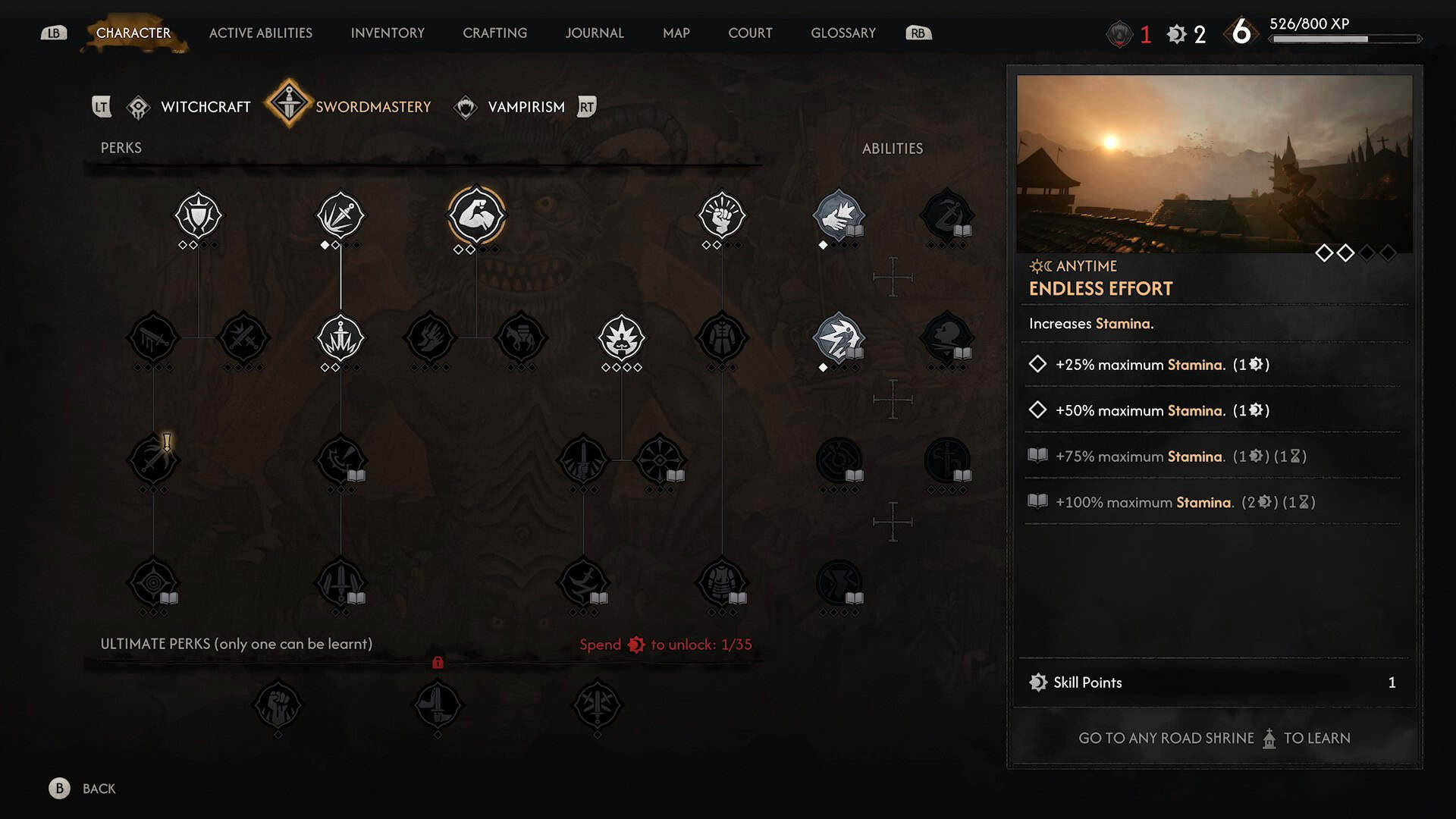
Then there’s the massive skill tree, which lets you decide how you want to play as both human and vampire. There are plenty of perks and abilities to unlock, giving you more ways to shape Coen into the kind of monster, or hero, you want him to be.
Performance Was Better Than Expected
My hands-on time with The Blood of Dawnwalker took place on PC, and while I don’t know the exact specs of the machines being used, I’m going to assume they were pretty kitted out. That said, performance was really good during my time with the game.
Since The Blood of Dawnwalker is being built on Unreal Engine 5, an engine that has had its fair share of performance issues across plenty of games, I was paying attention to how it ran. Thankfully, I didn’t run into any of the usual problems people tend to associate with UE5.
There was no noticeable stuttering, no major frame-rate drops, and nothing that pulled me out of the experience. Considering how often Unreal Engine 5 games get called out for shader compilation stutter or uneven performance, that was encouraging to see, even in a controlled event setting.
I did ask about what Rebel Wolves has done to keep the game running well, and while I didn’t get a deep technical breakdown, I was told that the team has been doing its best to make sure the game performs well on Unreal Engine 5. Based on what I played, that effort already shows.
The Open World Already Has My Attention
The scale of the world was also impressive, even from the small portion I was able to play. The Blood of Dawnwalker has a sandbox feel to it, and it seems like there will be plenty here for players who enjoy questing, exploring, and doing random stuff instead of rushing straight through the main story.
For me, being hands-on with the game was cool, but I also didn’t want to experience too much of it just yet. I wanted to save some of that for when I’m reviewing the game, or when I can sit down and enjoy it for myself. So, while others at the event pushed forward through the narrative, I took a different path and went sightseeing. I came across houses, enemy outposts, strange locations clearly meant for exploration, and plenty of things that made me want to stop and poke around.
But nothing grabbed me more than the two world bosses I stumbled into, both of which I was horribly under-leveled for. But you know me, I love being the underdog, and I love a good challenge. I spent at least 30 minutes trying to take them down, even though I probably had no business being there. One was a skeleton-like enemy that kept teleporting away while dishing out a ton of damage, making it a pain to fight.
The other was a wyvern-type enemy that wasn’t quite as annoying, but hit like a tank. That was the one I nearly beat, but with about a third of its health left, I was told the gameplay portion of the event was about to end. So, I put the controller down, sighed heavily, and smiled. I’ll get them both when the game is out, and you can count on that.
Final Thoughts
All in all, I came away impressed with The Blood of Dawnwalker. Not just because of the event, or because I was able to play it, but because Rebel Wolves seems confident in what it has.
New IPs are always risky, especially when launching in a crowded 2026 release window, but this doesn’t feel like a studio unsure of itself. Between the choice-driven story, the 30-day and 30-night structure, the human and vampire combat styles, and a world that already feels worth exploring, The Blood of Dawnwalker has the potential to be something special.
If there is one thing I’m still unsure about, it is how the 30-day and 30-night structure will feel across a full playthrough. In a short preview, it sounds exciting and gives the game a real sense of pressure, but across dozens of hours, I want to see whether that pressure makes choices feel meaningful or makes players second-guess everything they do.
Rebel Wolves isn’t just making another action RPG with vampires in it. This is a game built around time, consequences, and the uncomfortable balance between saving people and giving in to the monster inside you. And after playing it for myself, that’s the part that has me paying attention.
The Blood of Dawnwalker releases on September 3, 2026, for PlayStation 5, Xbox Series X|S, and PC.
