

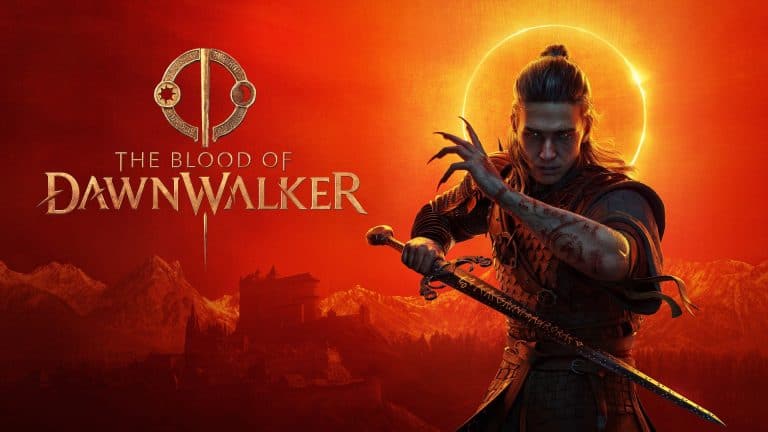
Recently, Bandai Namco invited me out to attend an early hands-on with its upcoming Action RPG featuring vampires and other supernatural creatures, known as The Blood of Dawnwalker. While I am normally not a fan of vampires, that is unless I’m killing them, after getting 4 hours of playtime with the game, I can safely say that not only am I excited about this title, but also the direction that the game is headed. As part of this event, I participated in a group Q&A session with the developers of the title, Rebel Wolves, a group of developers that has their mind on one thing; creating amazing singleplayer experiences.
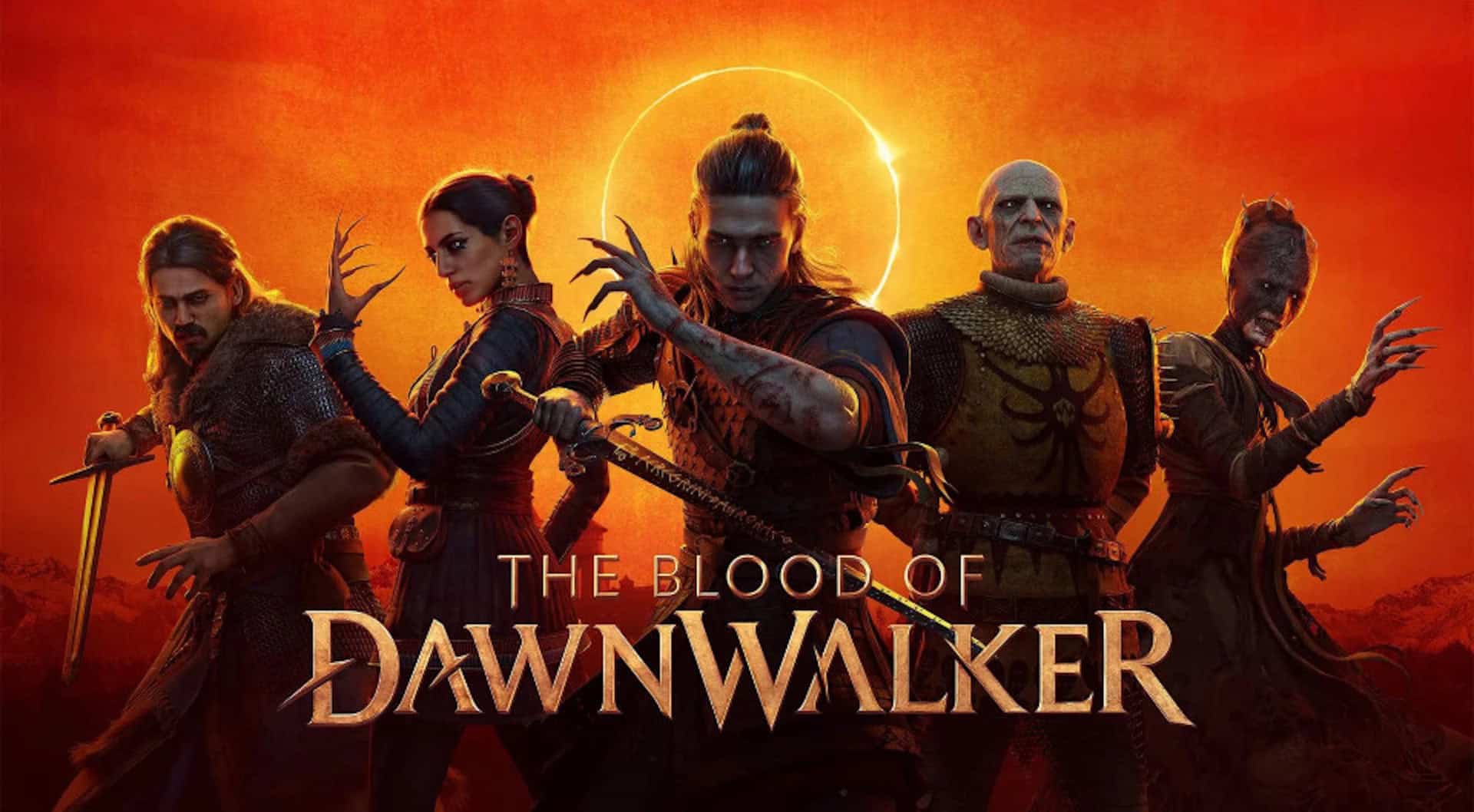
Q: Thanks for taking time out from developing the game and granting us this interview. Can you both introduce yourselves?
Adam: My name is Adam Payet, and I’m an environment artist.
Patryk: I’m Patryk Fijalkowski, and I’m the senior quest designer.
Q: The game seems to address one of the biggest problems in RPGs, which is time. Many games create urgency in the story, but then let players wander off and ignore that urgency. How did you come up with the time system, and how was it applied to the game?
Patryk: The idea came from Konrad Tomaszkiewicz, our game director. It predates us a little bit because we joined about a year into the project, but the goal was always to address that kind of narrative dissonance.
The system didn’t appear in the form you see today right away. There were a lot of redesigns and iterations as we figured out what would work and what wouldn’t. At one point, we considered having time move in real time, and there were even turn-based ideas discussed.
Eventually, we arrived at the current solution. We didn’t want to stress players out, but we did want them to feel tension and think about time as a resource. At the same time, we still wanted players to explore the world, soak in the atmosphere, and look for secrets without feeling punished.
That is why time doesn’t move forward all the time. We clearly communicate when time will advance and by how much. I think we found a good balance between creating urgency and still giving players room to breathe.
Adam: I think Fallout 2 was cited most often as an inspiration. You’re sent out into the world with a timer and a clear objective, and that gives your journey urgency.
For us, it isn’t a real-time timer, but it adapts that same idea in a way that works for our game.
Q: You are working with Unreal Engine 5 on this game. Was there any difficulty changing engines, and what do you think about working with Unreal Engine 5? Also, the game looks amazing.
Adam: Good to hear. Neither of us worked at CD Projekt Red before this, so we didn’t have to switch away from REDengine. We’re part of the fresh blood at Rebel Wolves. For me personally, Unreal Engine was already the engine I knew. I’m self-taught, and Unreal is freely available, so it’s what I used to learn environment art. In that sense, joining a studio that uses Unreal actually played to my strengths.
I really enjoy working with the engine, especially from an environment art perspective. One of the biggest advantages is the Blueprint system, which is basically visual programming. It lets me quickly prototype simple tools or technical solutions for building environments. If those ideas work, they can then go through the programmers and technical departments properly. But as an artist, it gives me a lot of freedom and lets me work in a way that feels natural to me.
Patryk: It’s very similar for me. I had already been working in Unreal Engine for several years before joining Rebel Wolves, so there wasn’t really a major transition for me either.
Q: In the prologue, there is clearly more to do than the player has time for. That teaches players that they have to pick and choose, but it also means some content is missable. Is there more content like that in the game?
Adam: Yes. There are years of my work that you will not see if you kill certain people. That’s just the nature of the game. Some people want to see everything, and some players are fine with missing things because of their choices. I wouldn’t even say that’s unfortunate because it’s part of what makes the experience feel personal.
At the same time, not everyone has time to replay a game three or four times. So, I’m not against people using guides if they want to see certain questlines. Enjoy the game however you want.
Patryk: I try to be positive about that too. If you want to reload your save or save scum, that’s fine. It’s a toy, so play with it however you want. Even with a guide, though, if you want one playthrough and you want to finish the main quest on the so-called golden path, you still won’t be able to do everything. Because of all the branching, I don’t think there will be one definitive guide that says, “This is how you finish the game.” It will be more like, “This is one way to finish the game.”
Q: Since the game has a 30-day and 30-night structure, can players go straight to the castle and challenge Brencis early, similar to how players can go straight to the final boss in The Legend of Zelda: Breath of the Wild?
Patryk: You can finish the game in the prologue.
Adam: Have you fought Brencis yet?
Patryk: You can defeat him. You can stand up and end the game right there.
Adam: You should see our QA team play against Brencis. It’s something to watch. They are like machines, parrying every hit, dodging every attack, and landing critical hits constantly.
Patryk: After the prologue, you can go straight to the castle if you want. Of course, it’s intended to be extremely difficult. Like Breath of the Wild, you can do it, but we expect most players will get destroyed. I have no illusions that people will absolutely do it within the first couple of days after launch.
Adam: But if you do that, a lot of things won’t happen. There are major plot points and storylines that won’t play out if you kill Brencis on day one. That’s something we had to account for.
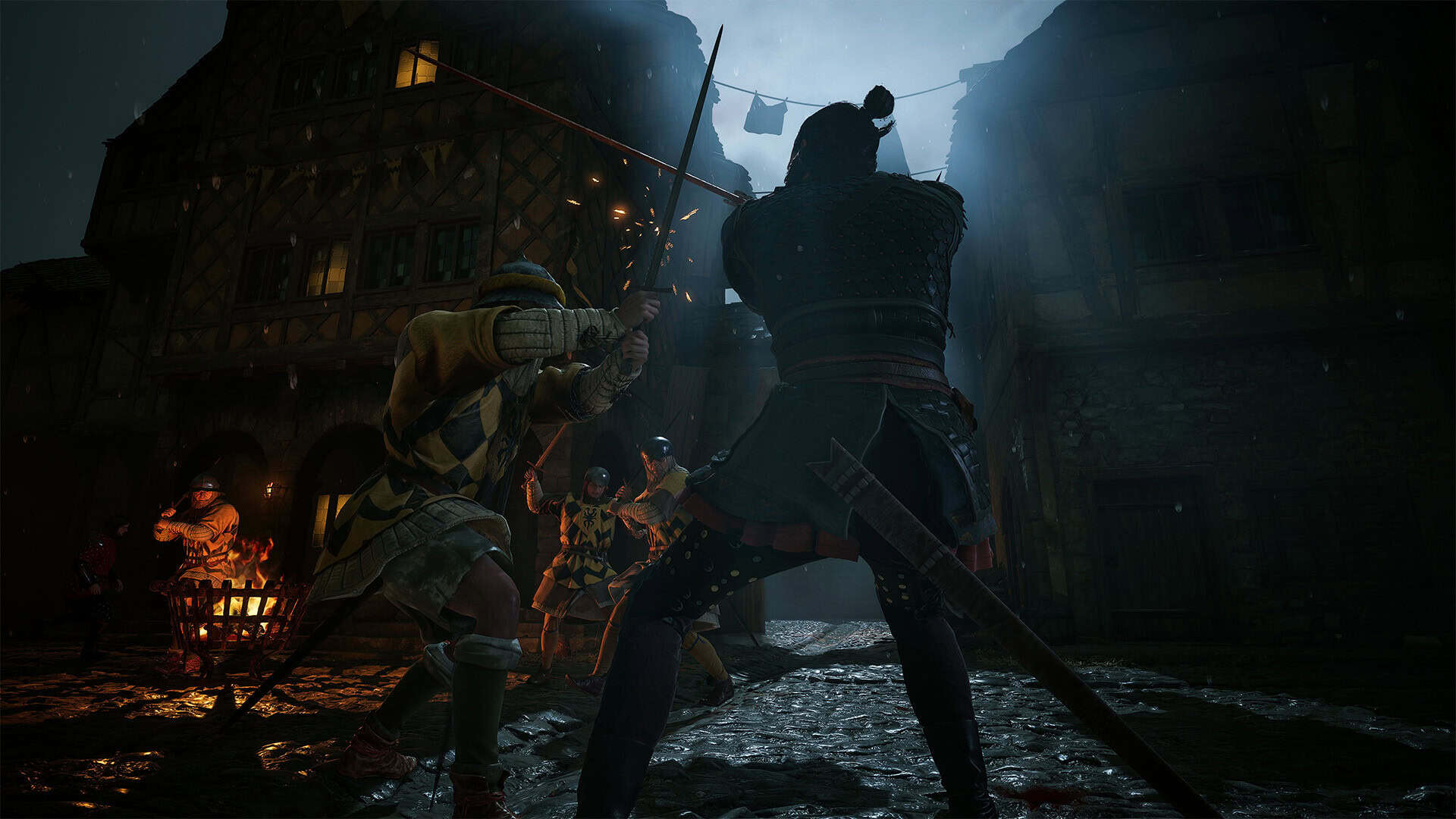
Q: One thing that feels unique is that the game doesn’t just give you one combat style with different abilities. Playing as a human during the day and as a vampire at night feels like two different types of combat. How did that come together?
Patryk: I think the story helped a lot. When we were making the game, everything had to serve the story. The dual gameplay came from the story because we wanted this specific kind of hero. Once that was decided, we had to figure out how to make it work.
Adam: A lot of the heavy lifting was done by the quest design team. They spent a lot of time designing quests that are specifically day quests or night quests. As a human, Coen might need to use magical abilities to speak to certain forces or figure things out. Other quests might only be possible as a vampire because of traversal. For example, if you want to get into the cathedral without using the front door, you need to be a vampire so you can scale the wall.
Patryk: The combat team also went through a lot of iterations. There was even a turn-based element in combat at one point. Eventually, the directional combat system came together, along with Omni attacks and Omni blocks. It was an ambitious idea, and we knew some players might need time to get used to it. But once you understand it, I think it becomes very fun.
Q: There are a lot of classic vampire inspirations here, along with folklore and mythology. How did you balance those familiar vampire elements while still making this world feel unique?
Patryk: The fun part was taking myths and legends we know about vampires and asking what we could keep, what we could twist, and what we could remix. We wanted this to feel like a vampire story and a vampire game, so some elements had to stay. But other elements could be changed or reinterpreted. For example, the way someone becomes a vampire isn’t just the classic version of being bitten.
We built more lore around vampire teeth and how they continue growing for the rest of a vampire’s life, becoming larger and more twisted. That’s why you see a character like Xanthe with teeth growing out of her skull. It was fun to deconstruct those familiar myths and rebuild them in a different way.
Adam: Credit where it’s due, a lot of that comes from our writer, Jakub Szamałek. When I first joined, I was given a huge lore bible to read. It was dozens and dozens of pages covering the world, its history, and thousands of years of lore. He created an entire history for this world. It felt like he thought about every aspect of it and built a very cohesive mythology.
You’ll learn a lot about that as you play. There are already glimpses of it in the prologue, especially if you find the quest that sends you down into the ruins. Those ruins are clearly far older than the valley itself, and there is history written for all of that. For me, that’s one of my favorite parts of the game and the world.
Adam: Visually, we also had to blend that mythology with a grounded medieval setting. I was inspired by Romantic-era paintings because they often connect nature with human emotion. Hopefully, as players explore the world, they’ll feel the oppressive nature of what is happening through the environments themselves.
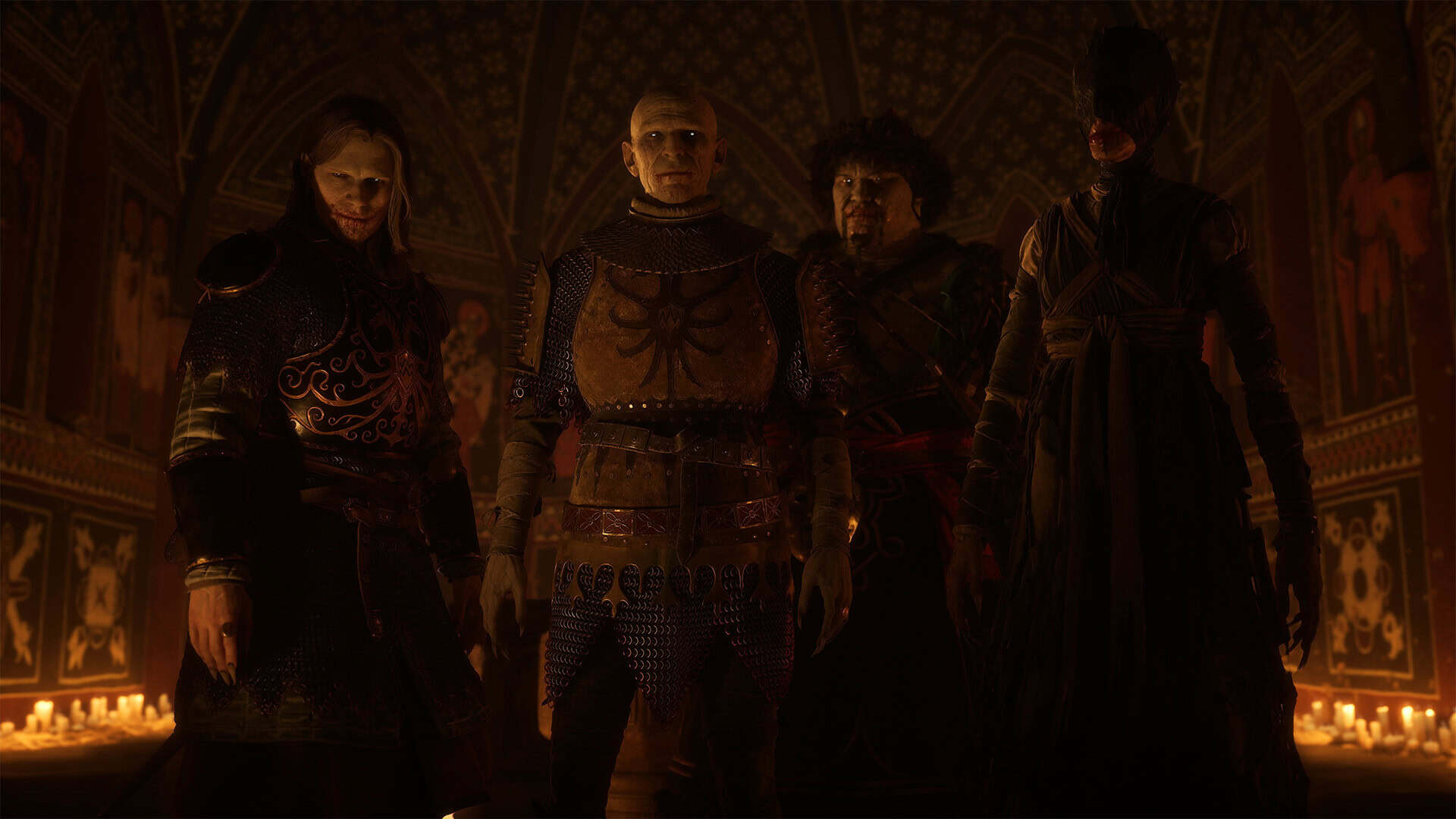
Q: With the court system and Brencis’ vampire lieutenants, can players face them early, or do you have to complete quests and build notoriety before challenging them?
Patryk: That gets into spoiler territory, but the short answer is that it depends. There are ways to engage with some of them without simply raising your notoriety, and sometimes notoriety is required. It depends on the situation. It’s hard to talk about without spoiling their individual stories, but it’s more organic than simply saying, “Yes, you always have to raise notoriety first.”
Q: The Blood Mask sequence is fascinating because it can play out differently depending on choices and side quests. What were the challenges of making a scene like that work, and are there more scenes like it later in the game?
Patryk: That’s the core of our game.
Adam: It’s also the work of our incredible cinematic team. They are incredibly talented. As you said, the Blood Mask scene has many different outcomes and a lot happening in the background. It isn’t just one cutscene. It’s really closer to five different cutscenes because of all the permutations that have to be accounted for. We have quite a few situations like that, where there are multiple versions of the same scene. It can be a real headache because when we give players the option to kill whoever they want, that can prune certain branches of storytelling and affect later cinematics.
From my perspective as an environment artist, accounting for that is interesting too. You might have several different outcomes for the same scene, and in one version a character walks through an area differently. Suddenly they might be walking through candles or props that were placed for another version of the cinematic. So you have to build environments that allow all of those different versions to play out correctly. It might sound like a boring technical detail, but for me personally, it’s a really interesting challenge.
Q: With all the different ways to approach missions, have you thought about New Game Plus so players can replay the game and take different routes?
Patryk: Right now, we’re focused on delivering the game. While New Game Plus is on the table, it’s not currently active. It is a feature players have requested, and further down the line, if we find a good way to implement it, we will definitely think about it.
With our time system and everything connected to it, New Game Plus is not as obvious to implement as it might be in another game. So, for now, our focus is finishing the game.
Q: Was there anything that surprised you during development?
Patryk: For me, it was the music. It’s not always something you think about during development, especially in the early stages when everything is blockouts, silent dialogue, and unfinished scenes. Even later on, sometimes there is one music track playing over and over, and even if you like it at first, you eventually get tired of hearing it.
But in the last few months, as we’ve been playing the game with the music in place, I’ve been surprised by how good it is and how important it is to the storytelling. It elevates the scenes and the things we are trying to say. When those tracks are playing, the scenes hit differently.
Adam: For me, it was the places the story goes compared to what I expected when I first joined and read the early briefs. The story takes you to some surprising places, both in terms of what happens to certain characters and the locations you visit. It gets weird really quickly. Even if you think you’ve seen a lot from what we’ve shown publicly, there is still a lot more to see. I can’t spoil anything, but some areas of the game really surprised me.
The ruins underneath the world, for example, surprised me because of how much detail and thought went into them. They are very different from building the overworld. From an environment perspective, it showed me just how deep the rabbit hole goes.
Q: What was the process like creating environments that work for both human and vampire forms, especially with quests that can change depending on how players approach them?
Adam: It was fun.
Patryk: It was a lot of fun. In a word, though, it was difficult.
Adam: It’s a highly technical aspect of level design. In a standard development process, level designers block out the spaces, define heights, traversal distances, and gameplay needs. Then environment artists dress those spaces and make them look good. In reality, it’s much more back and forth. It becomes a negotiation between what gameplay needs, what quest design needs, and what the environment needs to communicate visually.
Take Lastria, for example. Aesthetically, it should feel like an almost idyllic village. People are troubled now, but you should still be able to tell that it was once a nice place where people were happy. At the same time, the layout of houses, fences, and paths needs to support quests and interactions. Then there’s the level design layer, where you think about what players see when they leave a house and how the environment can subtly guide them. All of those things have to work together. You can’t separate the aesthetic from the flow of the space. It’s very complex, and I don’t think I can fully do it justice. This game took a lot of people three to four years to build to this point. It’s a big challenge.
Patryk: And then you have to take combat into account. Sometimes I’d say, “This basement needs to be bigger because there’s going to be combat here.”
Adam: And then it’s like, “Awesome, Patryk.” It stretches everything. At one point, the cathedral in Svartrau was scaled up by two because it was too small and didn’t feel right. That meant we suddenly had whole rows of buildings to demolish and rebuild. But that’s also where the fun is. There’s a lot of communication between departments. It’s constant iteration. It’s like building a bike while you’re riding it.
Q: Since this is a big open-world RPG, can players expect mounts for exploration, or will traversal rely on Coen’s abilities?
Patryk: There are no traditional mounts.
Adam: But you can sort of turn into one.
Patryk: As a human, you have Mercurial Speed, which slows time around you and gives you a speed boost. As a vampire, you can turn into a wolf, which gives you faster traversal. So, in terms of moving through the world, it serves a similar purpose to a mount, but it’s more thematically tied to Coen’s dual nature.
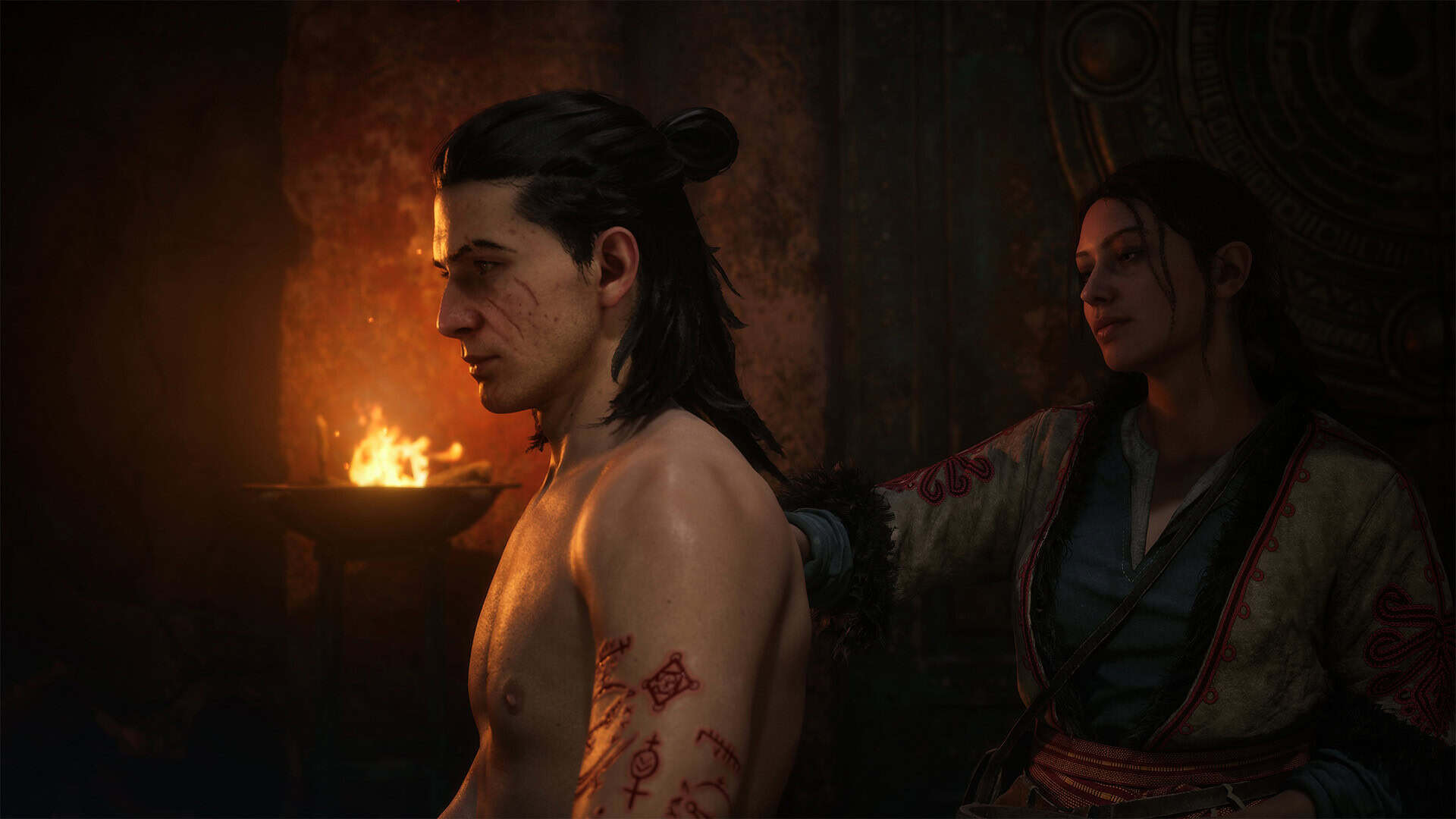
Q: We meet Anka in the prologue, and there seems to be some chemistry between her and Coen. Is she the only romance option, or should players expect more?
Patryk: We can say there is romance in the game. For now, we’re not commenting on who the romance options are or how that system works. We don’t want to spoil that yet.
After the final question, we were notified that the Q&A was wrapping up, so despite having many more questions to ask, they would have to wait for another time. We thanked the developers, they thanked us for attending, and we headed back to playing the game, which you can read more about here.
The Blood of Dawnwalker is being published by Bandai Namco and will be released on September 3, 2026, for PlayStation 5, Xbox Series X|S, and PC.
