

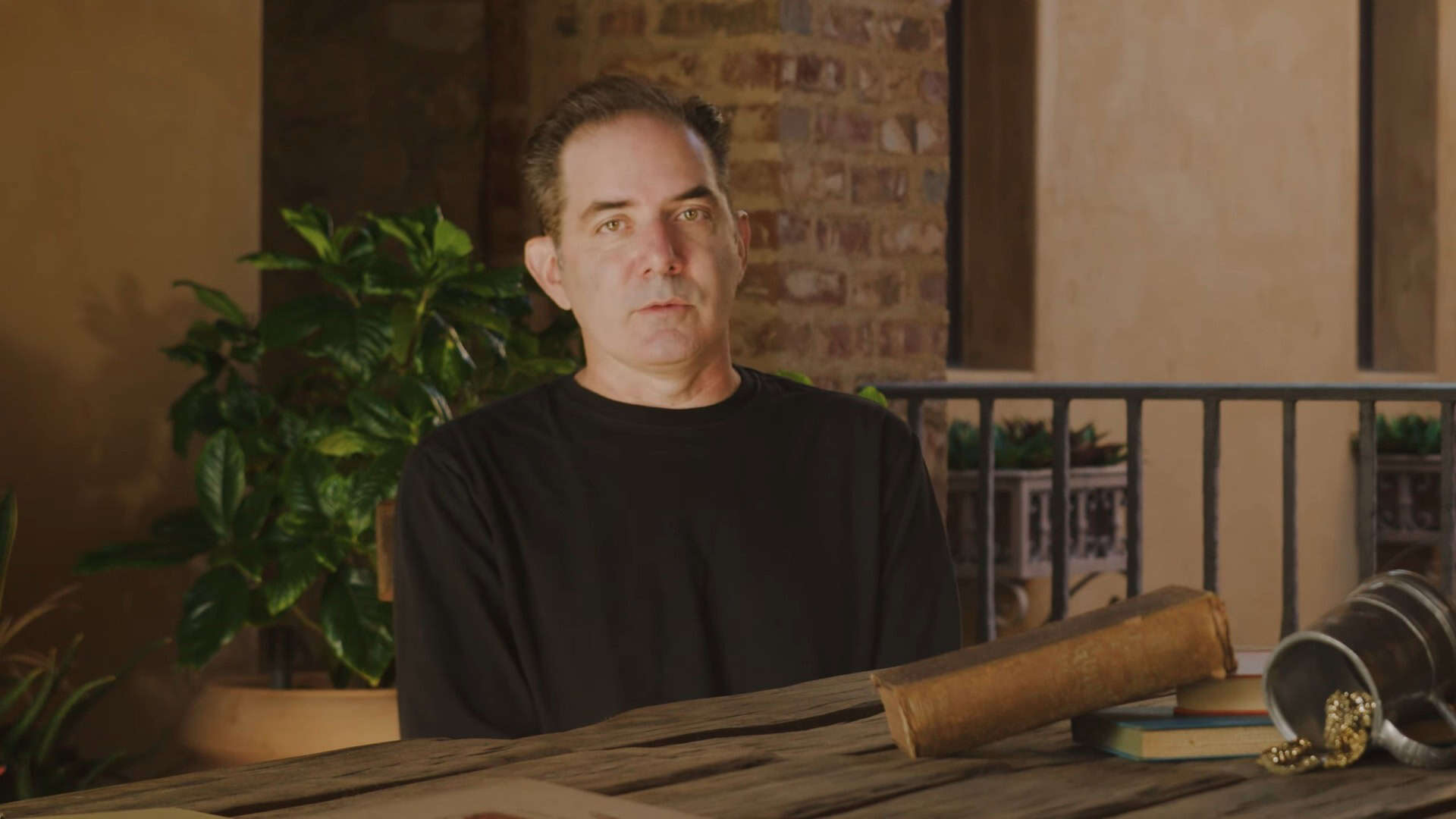
Jeff Kaplan, formerly of Blizzard Entertainment, has been in the gaming industry for quite some time. He’s worked a number of games you’ve either played, including World of Warcraft and Overwatch. So, when it comes to offering advice about the state of gaming, he is someone worth listening to.
During a recent livestream showcasing and answering questions about a project he is currently working on, The Legend of California, Kaplan touched on several topics, including the growing toxicity within parts of the gaming community.
At one point during the stream, Kaplan addressed a behavior that many players have likely noticed over the years: people loudly criticizing games they have no intention of playing. He argued that if someone has no interest in a game and has never played it, there is little reason for them to spend time complaining about it.
“If a game comes out and you don’t want to play it and you’ve never played it, shut the fuck up. No one cares.”
It is a sentiment I can definitely agree with, and I suspect many others feel the same way. There are always threads, posts, videos, and endless social media takes from people looking to grab a few minutes of attention by dunking on a game. What makes it worse is that many of these critics often have no real interest in the title or have never actually played it. Instead, they go out of their way to tear something down, effectively ruining someone else’s excitement for no real reason.
That is why I applaud Kaplan for saying it out loud. He was keeping it real, being completely honest, and likely expressing what many developers have wanted to say for years but simply could not for professional or PR reasons.
Although Kaplan is no longer at Blizzard, he and his team over at Kintsugiyama, which is comprised of former AAA developers, are currently working on an upcoming project called The Legend of California. The game is described as an open-world survival first-person shooter set on a fictional island version of California during the Gold Rush era, and it will be interesting to see how the project develops as more details emerge.
Kaplan’s comments may be blunt, but they touch on something many players and developers have quietly felt for years. Gaming discourse has become louder than ever, and not all of it comes from people actually playing the games they criticize. Whether you agree with Kaplan or not, his remarks are already sparking conversations about how players talk about games online and whether it might be time for the community to rethink how those conversations happen.
