

Mesh networking and non-line-of-sight (NLOS) technology are enhancing connections and amplifying the online multiplayer gaming experience. These are necessary to strengthen signals as they travel through complex obstacles. In high-fidelity environments, especially in competitive games, maintaining consistent, high frame rates is crucial.
These technologies are becoming the precedent for several reasons. Mesh networks and NLOS tools lower latency. This is because there are numerous nodes spread throughout an area, enabled by peer-to-peer (P2P) server loading. It eliminates the need for centralized servers and keeps transmissions as close as possible to essential devices.
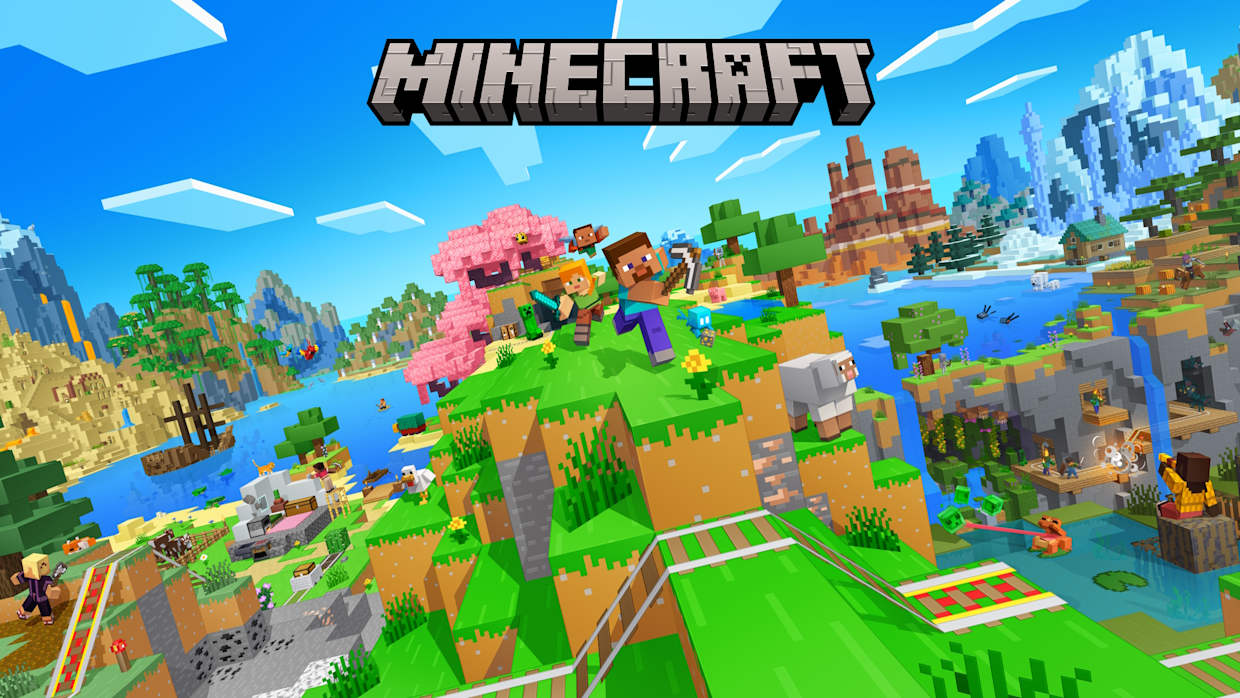
Instead of information traveling to a game developer’s server, the data goes between players. More direct communications reduce lag, which is crucial for games with quick-time events and precise controls, such as sports games like Rocket League. It is also helpful for games like Minecraft, which can host many players from all over the world.
Players and developers benefit from node expansion. It alleviates maintenance burdens on hosts, potentially reducing expenses by a significant amount. Additionally, it saves developers money by scaling technology to accommodate more players, as players can also supplement infrastructure.
When so many regions of the planet have less-than-ideal connections or minimal infrastructure, decentralized mesh networks and NLOS are vital for making multiplayer gaming more accessible. If games are designed to leverage technologies like 5G, they create a more inclusive environment for areas with limited internet access. Even urban regions with massive buildings and immense interference need NLOS tools to decrease gaming interruptions.
In open-world, massively multiplayer online (MMO) games, servers could experience both connectivity extremes — traffic congestion and dropped communications. People in the game are experiencing performance issues because there are too many participants, and others struggle to connect due to poor network quality or physical obstructions. Mesh networking and NLOS tech democratize multiplayer gaming.
In the future, NLOS and mesh networking will be pillars of immersive gameplay, where worlds are more active and alive. Consider communities thriving on augmented reality, such as Pokémon GO. Multiplayer experiences could become more engaging and responsive by utilizing decentralized networking.

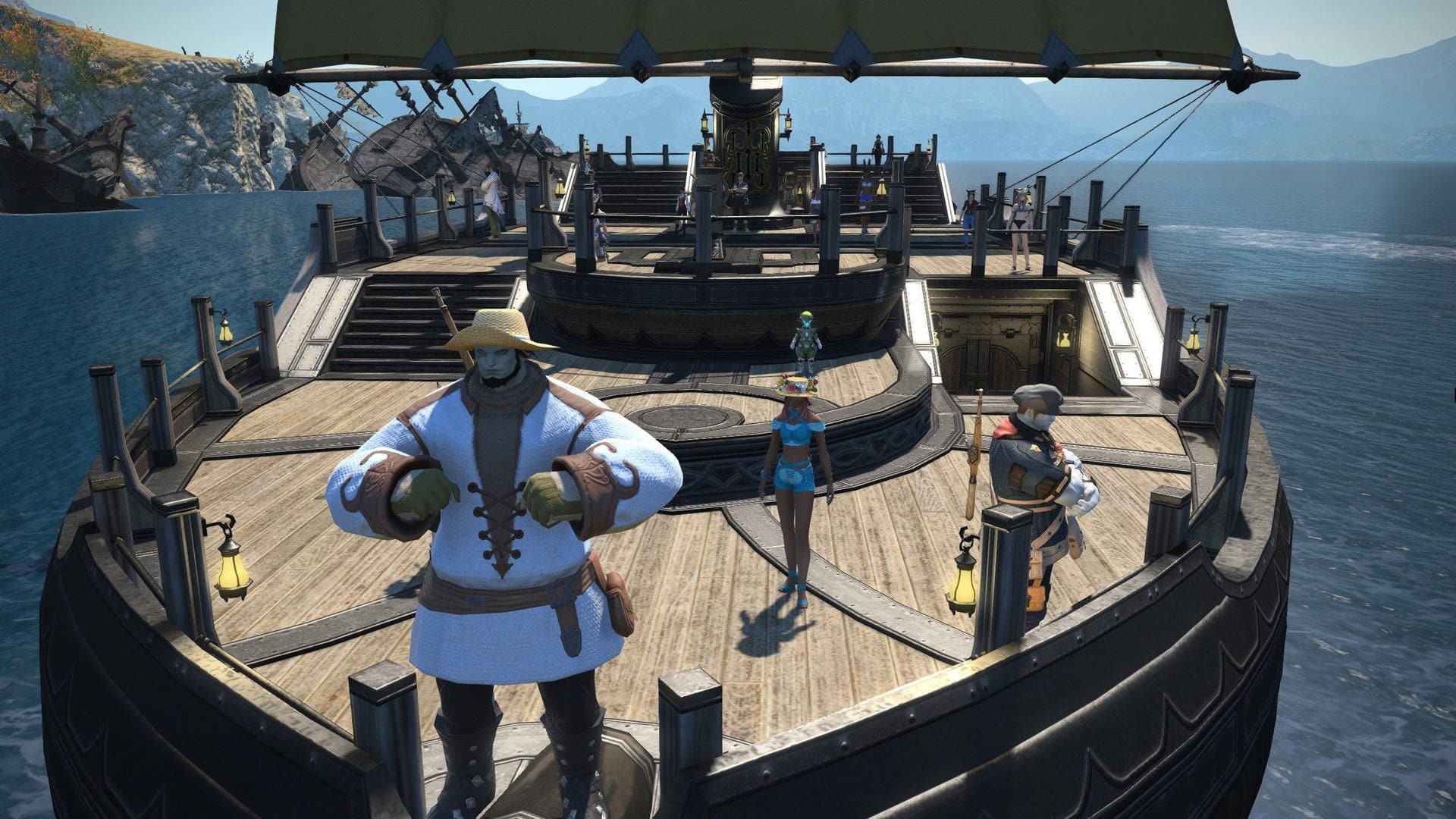
Likewise, MMOs like Final Fantasy XIV would benefit from a dynamic mesh topology because players could still enjoy the game even if the servers are down. It could be inactive because of scheduled downtime or a cyber threat, but players can still enjoy the experience without relying on centralized assets. Instead, others could host interconnected networks, making multiplayer experiences more resilient to the industry’s biggest pain points.
P2P systems could possibly lower traffic demands on high-bandwidth tech by up to 90%, with even greater improvements if hosts use algorithms and automation to respond to activity in real time. Uptime skyrockets, making players feel more confident in committing to certain multiplayer games.
Nobody wants to disconnect from a game when they are neck-deep in a raid because of a server issue outside of their control. Mesh networking, alongside NLOS resources, enables persistent, uninterrupted experiences, regardless of scale. Eventually, these could become the bedrock for advanced gaming infrastructure, with the ability to promise 24/7 operations, host huge global events, and enable cross-platform gameplay.
Source: Medium
