

Recently I was invited by Remedy Entertainment to go hands-on with its upcoming follow-up to CONTROL, that being CONTROL Resonant. Going into the session, I had one major concern: it’s gameplay. CONTROL Resonant focuses on melee combat, something that I initially felt that this would be a significant departure for Remedy Entertainment. The studio has built a reputation on memorable storytelling, atmospheric worlds, and ranged combat encounters, so I wasn’t entirely convinced that a melee-focused approach would play to its strengths.
My session took place at PlayStation’s London offices, where I spent roughly three hours with CONTROL Resonant, on a PlayStation 5 dev unit. Alongside the game’s opening hours and first boss encounter, I was also given access to one of its larger explorable areas and a later story mission, providing a broader look at the experience beyond its introduction.
Three hours later, any concern I had prior to getting my hands-on have all but disappeared.
Remedy’s Signature Weirdness Is Alive And Well
If you’re a fan of Remedy’s unique style of storytelling, you’ll be happy to know that CONTROL Resonant hasn’t lost any of the strange charm that helped make CONTROL such a memorable experience.
From the moment the game begins, questions start piling up faster than answers. The world feels mysterious, unsettling, and intriguing in equal measure. Whether through environmental storytelling, character interactions, or the bizarre situations you find yourself caught in, CONTROL Resonant continues to embrace the weirdness that has become synonymous with Remedy’s games.
While I won’t spoil any story details from the later content I played, the mid-game mission I experienced left me eager to learn more about where the narrative is heading.
Traversal Steals The Show
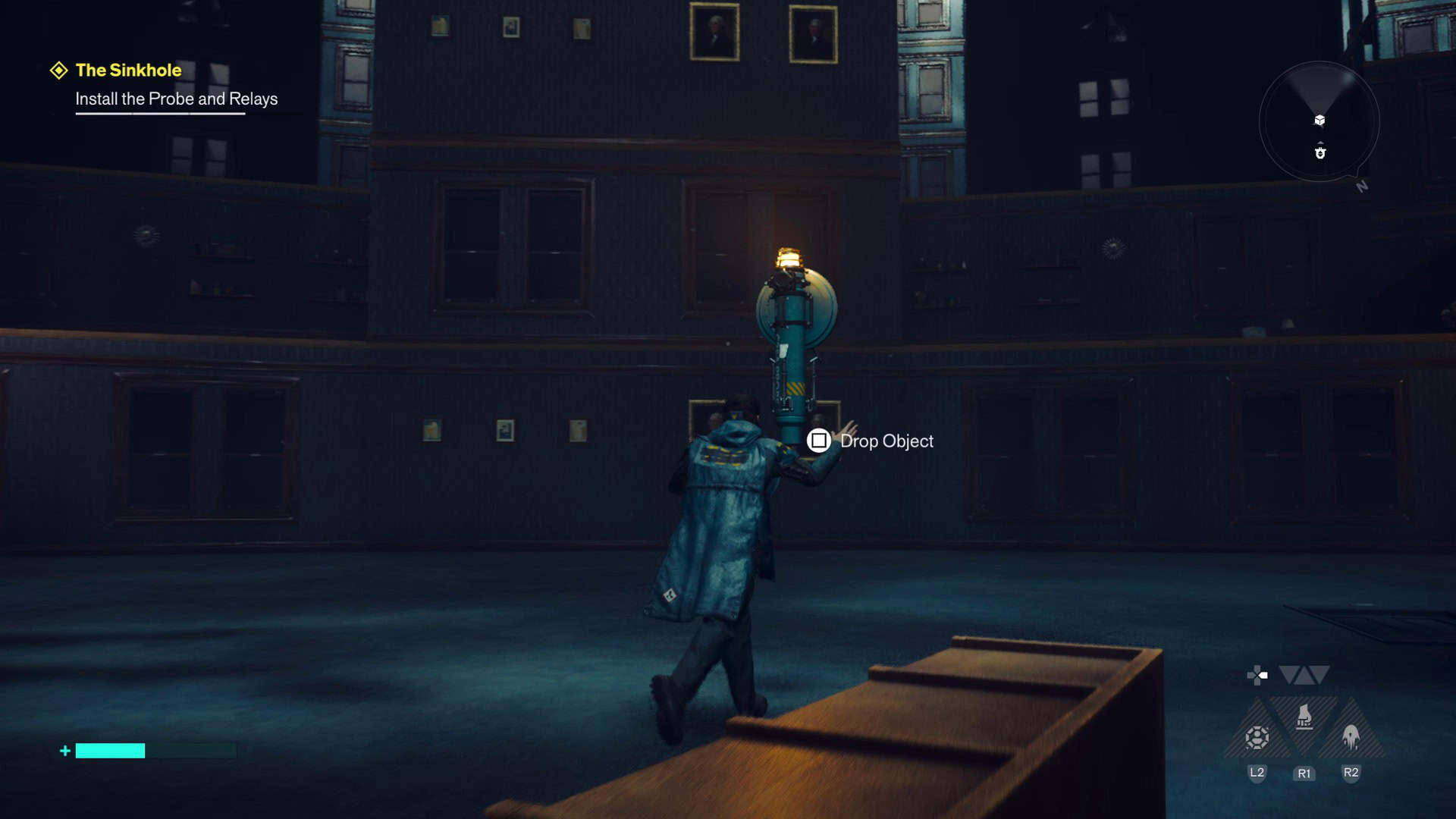
As much as I enjoyed the combat and story, the aspect that surprised me most was simply moving around the world. The traversal immediately reminded me of playing the Infamous games from Sucker Punch. Moving through environments feels fast, fluid, and satisfying, to the point where I often found myself taking less direct routes simply because getting from one location to another was so enjoyable.
That sense of movement is enhanced by the game’s level design. The larger area I explored felt similar in overall size to the various explorable regions found in Alan Wake II. However, CONTROL Resonant introduces a much greater emphasis on verticality.
Buildings, elevated pathways, and layered environments create spaces that feel significantly larger than they first appear. More importantly, that verticality isn’t there simply to make exploration more interesting. It plays a major role in combat encounters and even boss fights, encouraging players to constantly think about positioning, movement, and elevation rather than approaching encounters from a single angle. The result is a world that feels rewarding to explore and exciting to navigate.
A Combat System That Opens Up Over Time
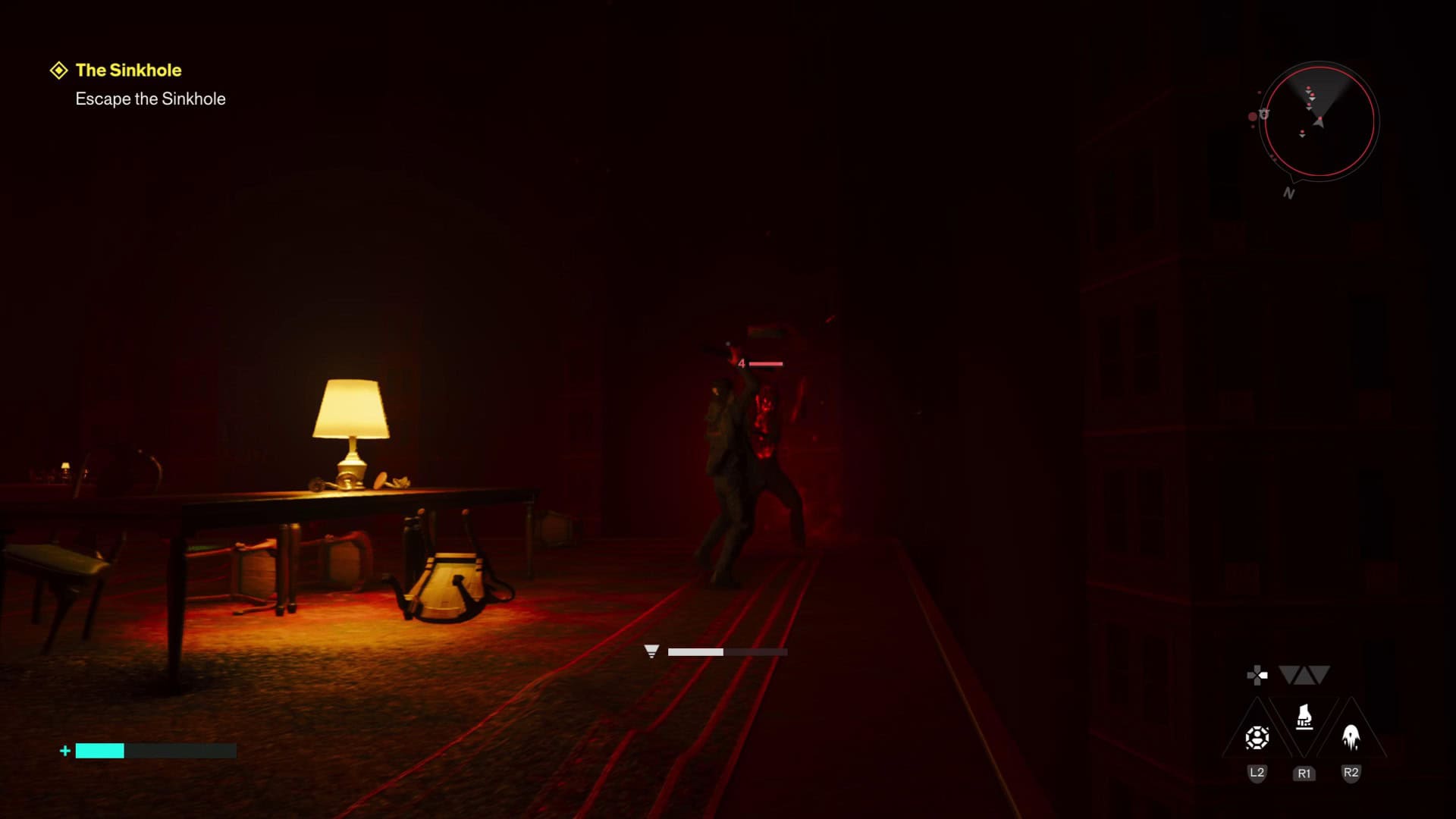
My biggest concern heading into the hands-on was the melee combat, and if I’m being honest, the opening hours didn’t immediately change my mind. CONTROL Resonant introduces new abilities, weapons, and mechanics at a fairly measured pace. Early encounters are enjoyable, but it wasn’t until I jumped ahead to the later content that the combat system truly began to reveal its depth. What became clear is that weapons aren’t simply different tools with different damage numbers. They fundamentally alter how combat works.
Each weapon features its own primary and secondary attacks, with unique combo structures and combat rhythms. Some weapons are designed around crowd control, helping manage larger groups of enemies, while others prioritize mobility, speed, and aggressive hit-and-run tactics. Changing weapons doesn’t simply change how much damage you deal. It changes how you approach encounters entirely.
Build Variety Looks Promising
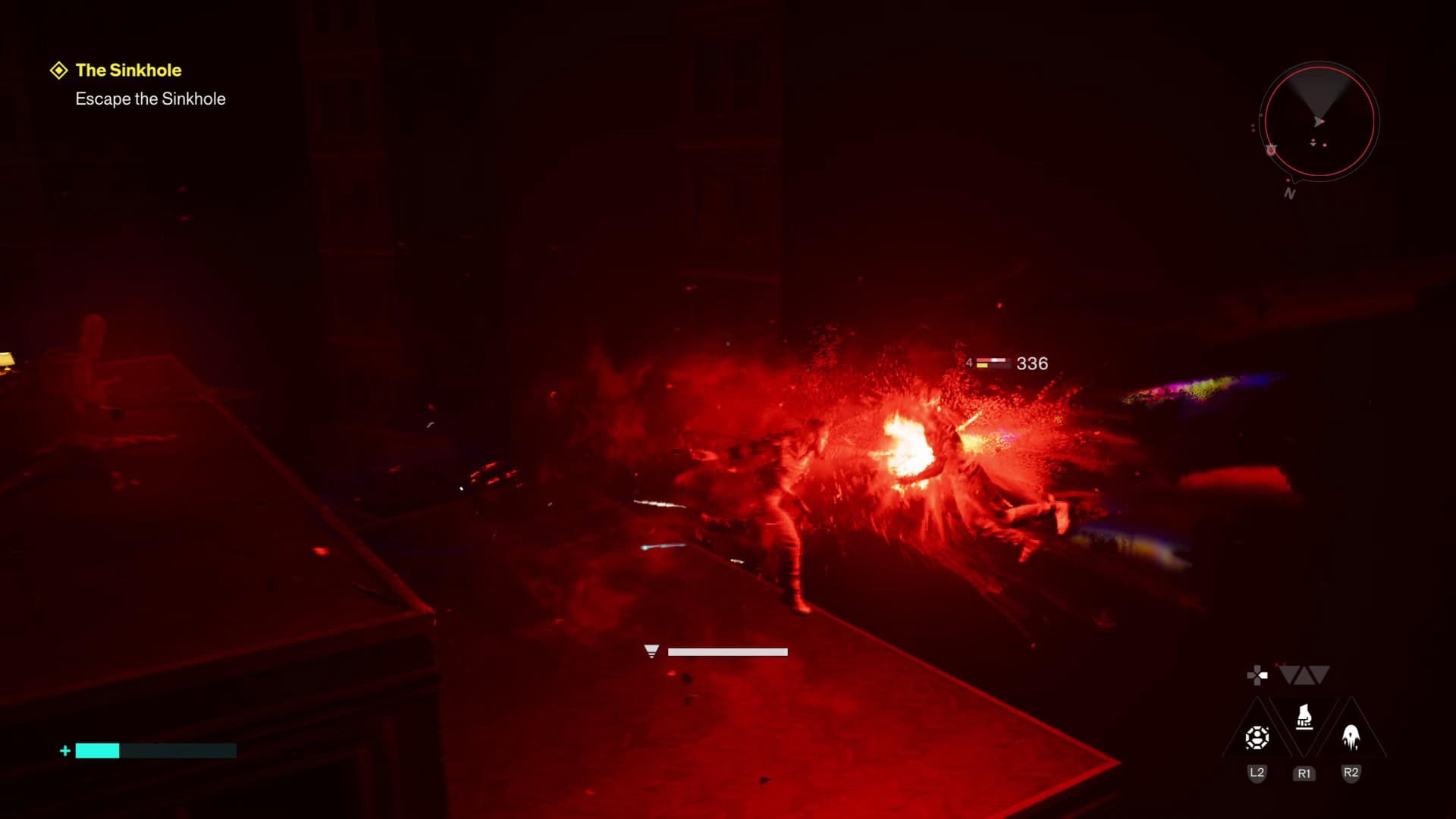
The flexibility offered by CONTROL Resonant‘s progression systems was one of the most encouraging aspects of the preview. Players can freely swap between unlocked weapons, secondary attacks, and skills through the menu, allowing for a high degree of experimentation. Up to three skills can be equipped at any one time, and the options I encountered already hinted at significant build variety.
One skill allowed me to summon a floating stone barrier for protection, while another transformed an airborne attack into a powerful ground pound. Combined with the different weapon options available, these abilities created opportunities for dramatically different playstyles.
What impressed me most was how each new unlock seemed to reframe my approach to combat. Every time I experimented with a new combination of weapons, abilities, and skills, encounters felt fresh again. Rather than simply becoming stronger, I felt like I was discovering entirely new ways to play. That variety ultimately erased my concerns about the game’s melee focus and left me excited to see what additional options the full game has in store.
Looking Beyond The Opening Hours
One of the most valuable parts of the session was getting to experience content beyond the opening hours.
The larger area I explored clearly appeared designed to support side missions and NPC interactions, although those elements were unavailable during the hands-on. Even without them, the space provided a strong indication of how exploration will fit into the broader experience and how the game’s traversal systems will support that exploration.
Likewise, the later story mission demonstrated that Remedy continues to introduce new ideas and mechanics well beyond the game’s opening hours. It was reassuring to see that the systems introduced early on continue to evolve rather than simply expanding through bigger numbers and stronger enemies.
Final Thoughts
My biggest concern before the hands-on was Remedy’s decision to focus on melee combat, but the deeper I got into the session, the more that concern faded away. Between the satisfying traversal, highly vertical world design, flexible build crafting, and the studio’s trademark weird storytelling, CONTROL Resonant consistently found new ways to surprise me.
Of course, three hours is only a small slice of what appears to be a much larger experience. Questions remain about progression, mission variety, side content, and whether the game can maintain this momentum across its full runtime. However, based on what I played at PlayStation’s London offices, Remedy appears to have something special on its hands.
With my session being completed, I walked away far more impressed than I originally expected to be.
If the quality, creativity, and sense of discovery I experienced during this preview can be maintained throughout the full game, CONTROL Resonant won’t just be one of my most anticipated releases of the year. It could very well find itself in the Game of the Year conversation.
CONTROL Resonant releases on September 24, 2026, for the PlayStation 5, Xbox Series X|S, and PC.
Be sure to check out some of our other CONTROL Resonant content:
- “There’s Crazy Sh*t” CONTROL Resonant Director Talks Design, Themes, and Inspirations at Tribeca
- CONTROL Resonant PS5 Pro Hands-On Preview from Summer Game Fest 2026
- These Summer Game Fest 2026 Games Shot Up My Most Anticipated List
