

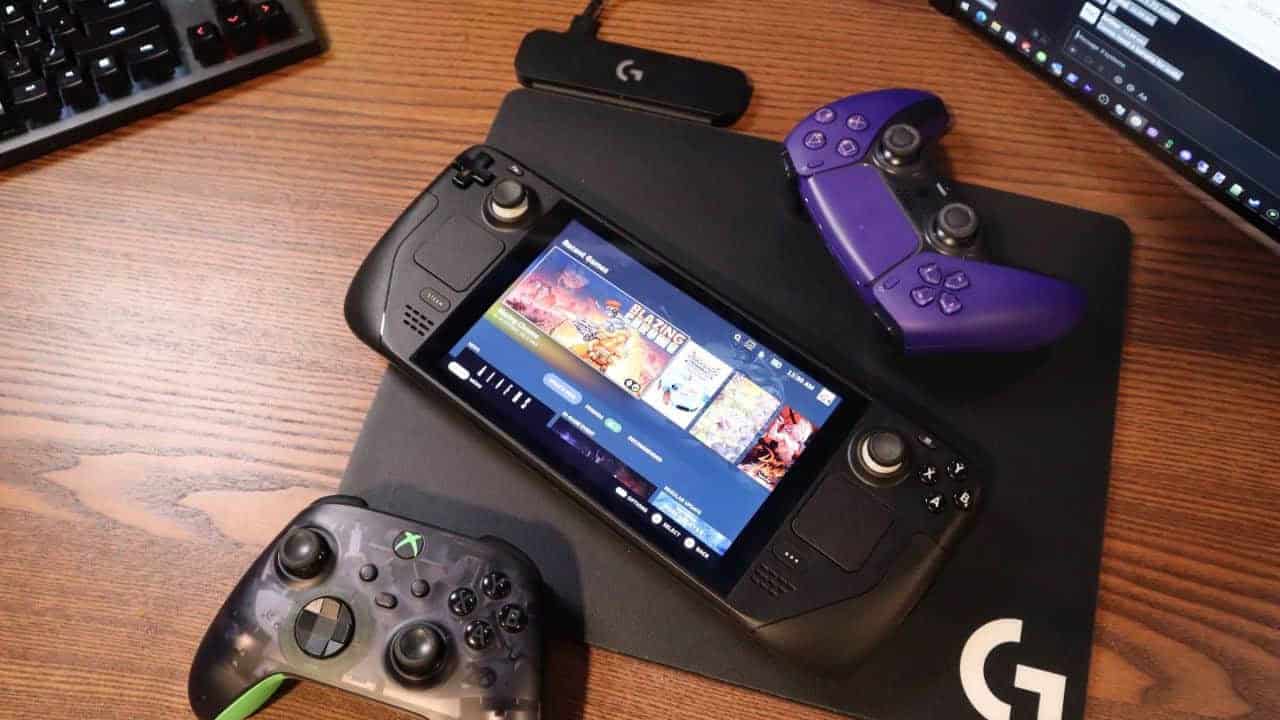
Valve just made the Steam Deck OLED a much harder sell, thanks to its updated pricing. The hardest part to ignore is that the hardware itself has not changed. This is still the same Steam Deck OLED, only now it comes with a much higher price tag.
That does not suddenly make the Steam Deck OLED a bad handheld. Far from it. SteamOS is still fantastic, suspend and resume is still one of the best features on any gaming handheld, and the overall experience remains much cleaner than most Windows-based handheld PCs.
But price changes the conversation.
At $549 and $649, the Steam Deck OLED was easy to recommend. At $789 and $949, buyers have every reason to start looking elsewhere, especially when the goal is saving money.
So instead of throwing every expensive handheld PC into the mix, let’s keep this simple. For those looking for a SteamOS alternative, there is one device that makes the most sense. For those looking for a cheaper Windows alternative, there is also a clear pick that can save a lot of money compared to Valve’s new pricing. And for players who want something with a much bigger screen, there is another Lenovo handheld worth considering before spending Steam Deck OLED money.
**I also wanted to make everyone readying this aware that I’ve owned each of these devices at one point or another. So, this isn’t just a “look for devices and post them piece.” I can vouch for each of these devices.”**
Quick Picks
| Pick | Screen Size | Operating System | Why It Makes Sense |
|---|---|---|---|
| Lenovo Legion Go S Powered by SteamOS | 8-inch 120Hz | SteamOS | Best non-Valve SteamOS alternative |
| ASUS ROG Ally Z1 Extreme | 7-inch 120Hz | Windows 11 | Best Windows value alternative |
| Lenovo Legion Go | 8.8-inch 144Hz | Windows 11 | Best big-screen Windows alternative |
Best SteamOS Alternative: Lenovo Legion Go S
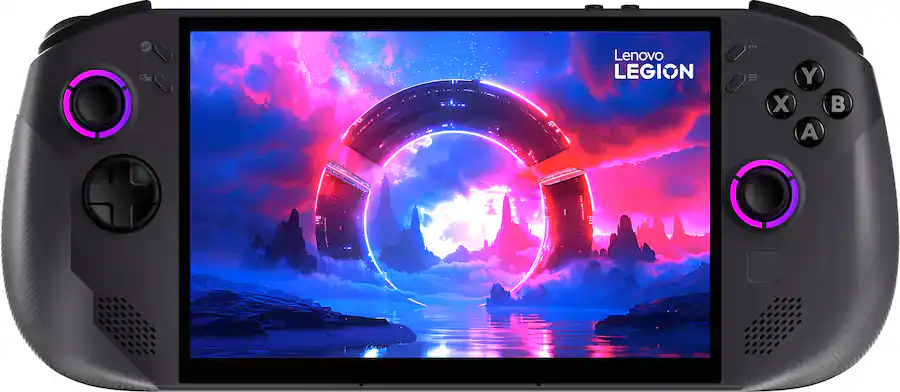
For players who want the Steam Deck experience without paying the new Steam Deck OLED price, the Lenovo Legion Go S Powered by SteamOS is the one to watch. I am also aware that Lenovo’s pricing on the Legion Go line has gotten rough lately. However, open-box units can still be found at retailers such as Best Buy, sometimes for significantly less than the regular asking price.
There are also multiple versions of the Legion Go S. There is the Windows version in white, along with two SteamOS versions in black. While I recommend the model with the AMD Ryzen Z1 Extreme, there is also a version with the AMD Ryzen Z2 Go. The latter is not the most powerful option, but it can still provide a decent handheld experience while putting less of a dent in your wallet.
That is what makes the SteamOS version so interesting. It is the most direct Steam Deck alternative because it runs SteamOS, keeping the console-like experience that makes Valve’s handheld so appealing. You still get quick access to your Steam library, easier navigation, and less of the usual Windows handheld mess.
The Legion Go S also has a larger 8-inch 120Hz display, giving it a screen-size advantage over the Steam Deck OLED’s 7.4-inch display. No, it is not an OLED panel, but the screen is still really nice, and I doubt it will bother most people. That matters more now because if Valve is going to charge more for the Steam Deck OLED, buyers have every reason to look at handhelds that offer more screen for the money.
I can also speak to this one from personal experience. When I owned a Legion Go S, I was able to pick one up open box for around $750, which already made it a more interesting option compared to the new Steam Deck OLED pricing. I ultimately returned it, but not because it was a bad unit. It was actually a solid handheld, but I already owned the Legion Go 2, and at the time, it did not make sense for me to keep both devices.
That is why price matters so much with the Legion Go S. At the right open-box or sale price, it is one of the better SteamOS alternatives out there. At an inflated price, however, the value argument starts to disappear.
- Buy it if: You want SteamOS, a bigger screen than the Steam Deck, and a handheld that feels closer to Valve’s device without paying Valve’s new prices.
- Avoid it if: The price is close to $900 or higher. At that point, the savings argument falls apart.
Best Windows Value Alternative: ASUS ROG Ally Z1 Extreme
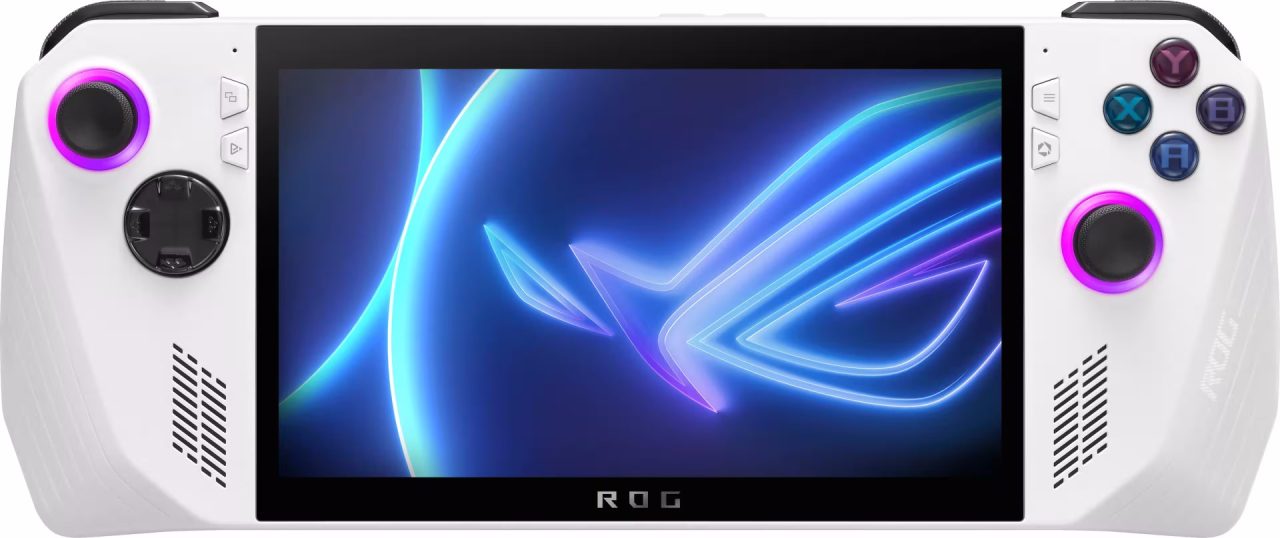
For players who want a Windows handheld that costs less than the new Steam Deck OLED, the ASUS ROG Ally Z1 Extreme is the easiest recommendation.
This is not the newest handheld PC anymore, and that is exactly why it makes sense here. The ROG Ally Z1 Extreme has been around long enough that it can often be found on sale, open box, or used for far less than the new Steam Deck OLED pricing. That makes it one of the better value plays in the mainstream handheld PC market.
The ROG Ally Z1 Extreme gives you a 7-inch 1080p 120Hz display, Windows 11, and AMD’s Ryzen Z1 Extreme processor. It is not an OLED screen, so the Steam Deck OLED still has the edge there, but ASUS gives you a higher refresh rate display and broader PC game compatibility through Windows.
That Windows part matters. With the ROG Ally Z1 Extreme, you have easier access to Xbox Game Pass, Battle.net, Epic Games Store, GOG, and other PC storefronts. You also avoid some of the SteamOS compatibility headaches that can pop up with certain anti-cheat games. Of course, Windows on a handheld is still not perfect. It can be clunky, updates can be annoying, and it does not always feel like it belongs on a portable gaming device. SteamOS is still the cleaner handheld experience.
However, it is worth mentioning that when this device was released, there was an issue with the MicroSD slot. I don’t know if Asus has corrected this or not with later versions or just fixed it on the ROG Ally X.
But when the point is saving money, the ROG Ally Z1 Extreme makes a lot of sense. When this device can be found as an open-box deal in the $400 to $500 range, it becomes much easier to recommend than spending $789 on the 512GB Steam Deck OLED.
That is where Valve’s price hike hurts the most. The Steam Deck OLED is easier to use, but the ROG Ally Z1 Extreme can cost hundreds less while giving players access to a wider PC gaming ecosystem.
- Buy it if: You want a cheaper mainstream Windows handheld, Game Pass access, and better compatibility with non-Steam games.
- Avoid it if: You mainly play Steam games and want the cleanest handheld interface possible. SteamOS still wins there.
Best Big-Screen Windows Alternative: Lenovo Legion Go
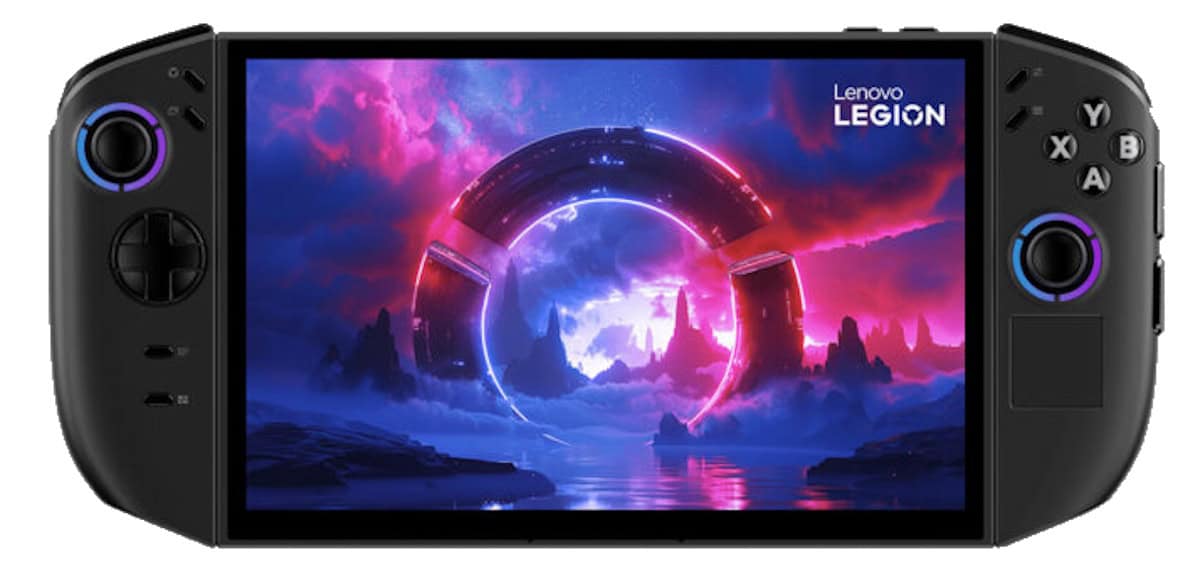
If the ROG Ally Z1 Extreme is the best cheaper Windows alternative, the original Lenovo Legion Go is the best pick for players who want a much bigger screen without jumping to Legion Go 2 pricing.
The biggest reason to consider it is the display. The Legion Go has an 8.8-inch QHD 144Hz screen, which makes it feel much larger than both the Steam Deck OLED and the ROG Ally. If you play a lot of RPGs, strategy games, open-world games, or anything with smaller UI text, that extra screen space matters.
It also runs Windows 11, which means easier access to Xbox Game Pass, Epic Games Store, Battle.net, GOG, and other PC storefronts. Like the ROG Ally, that also means dealing with Windows on a handheld, which still is not as clean as SteamOS. Or you can install Bazzite or even the official SteamOS beta that is now available for this device.
The Legion Go is not perfect. It is bigger, heavier, and less comfortable than smaller handhelds, and the detachable controller setup will not be for everyone. But if you can find one open box, used, or on sale in the $600 to $700 range, it becomes a strong alternative to paying $789 for the 512GB Steam Deck OLED.
That is where the original Legion Go still makes sense. It gives you a much larger display, Windows flexibility, and a more unique handheld setup without forcing you into the much higher pricing of the Legion Go 2.
- Buy it if: You want the largest screen possible while still staying under the new Steam Deck OLED pricing.
- Avoid it if: You want something smaller, lighter, and more comfortable for long handheld sessions.
Final Thoughts
The Steam Deck OLED is still a great handheld. Nothing about the hardware got worse overnight, other than the value. At $789 for the 512GB model and $949 for the 1TB model, the Steam Deck OLED is no longer the easy recommendation it used to be. Valve is now asking buyers to pay premium handheld money for hardware that has not changed.
The Steam Deck OLED is still good. It is just no longer the obvious answer. If you are shopping for a handheld gaming PC and do not want to spend Steam Deck OLED money, the Lenovo Legion Go S, ASUS ROG Ally Z1 Extreme, and original Lenovo Legion Go are all worth considering.
