

Mortal Shell, the latest in a long line of games attempting to emulate the formula FromSoftware created with Demon’s Souls and Dark Souls, is an interesting one. Much of the game feels similar to those titles, and for good reason. Mortal Shell pays homage to them while offering several fresh takes on a formula many consider among the best in dark fantasy gaming. After playing Mortal Shell for hours on end, I was hooked.
Game Name: Mortal Shell
Genre: Action RPG
Platform(s): PC, PS4, Xbox One
Reviewed On: PC
Publisher(s): PlayStack London
Developer(s): Cold Symmetry
Release Date: August 18, 2020
Price: $29.99
Time to Complete: Approximately 8 hours
Let’s get this out of the way. Yes, I am a huge fan of Soulslike games, and Mortal Shell is no exception. Even after beating the game for this review, I jumped back in several times because I enjoyed it that much.
That said, it is not perfect, and the story, or lack of a clearly presented one, is just as cryptic as its main influence, Dark Souls. Those looking for an easily understood narrative may be better off waiting for the inevitable YouTube videos that dissect the world and its lore. But those who are here for the gameplay can step right through the door.
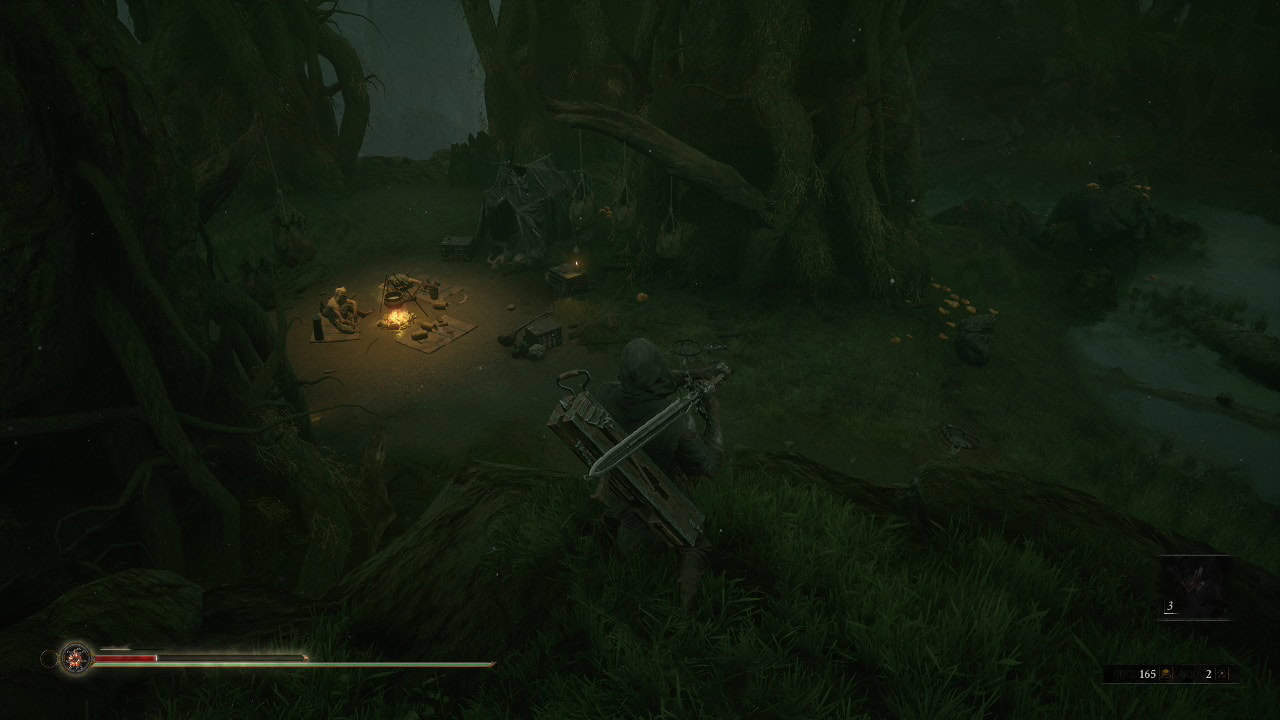
Another Soulslike? Really?
As previously mentioned, Mortal Shell borrows many elements from the Dark Souls games, yet it still offers its own spin on what we have played over the years. Combat, item usage, and even character selection have been changed enough that veteran Soulslike players will still need time to adjust when playing Mortal Shell for the first time.
Yes, this is another dark fantasy game, but that is not a bad thing. There is more than enough personality here for Mortal Shell to stand out in an increasingly crowded genre. Then again, it could simply be that I am a fan, but after spending so many hours with the game, I feel that enthusiasm is warranted.
While i’ll touch on combat, character selection, and more later, I first want to discuss how items work. Most games in the genre give you a clear indication of what an item does. You will not find that here. When you discover an item, the game offers very little information, leaving you to use it and learn its purpose through experimentation.
It is an odd decision, especially when you are searching for something that restores health and accidentally use an item that boosts stamina instead. Trial and error is the only way to identify what these items can do for you. There is also a familiarity system. The more often you use an item, the more familiar your character becomes with it. Once that familiarity is maxed out, the item receives an additional benefit. For example, rotten food already restores a small amount of health, but it restores even more once you become fully familiar with it.
It is a strange system at first, but I eventually grew to understand and appreciate it. There is also an in-game currency called Tar, which is the equivalent of Souls for anyone familiar with Dark Souls. Gather enough, and you can exchange it for upgrades through Sister Genessa, an NPC you will become very familiar with, or purchase items from a grotesque but surprisingly friendly merchant. There are a few others, but discussing them would take us into spoiler territory, and I would rather avoid that.

This game makes me hard
No, not like that. Get your mind out of the gutter. Mortal Shell features a unique mechanic called Harden, and it may become the next idea that countless games in the genre attempt to copy. Harden works exactly as it sounds. At almost any point, you can turn your body as hard as petrified wood, granting a few seconds of protection. It is similar to blocking, except there is no shield to hide behind or guard button to spam.
You can activate Harden before an attack lands, including blows that would otherwise kill you. It can also be used in the middle of an attack animation. You can swing your weapon, Harden as an enemy counters, and watch their strike or projectile bounce harmlessly away. Pulling this off is both satisfying and incredibly cool to watch.
When I first played Mortal Shell, I expected more of the same deliberate combat found in Dark Souls, and I was not far off. Combat consists of light and heavy attacks that can be chained into combos, while holding the attack buttons charges those strikes for additional damage. Naturally, all of this consumes stamina.
Yes, there is stamina, and it forces you to think before repeatedly swinging your weapon unless you want to leave yourself winded and vulnerable. You can also parry, dodge, backstep, and perform weapon-specific special attacks. Some of these abilities rely on a resource called Resolve, which is earned by attacking enemies and using certain items.
Resolve is particularly important because it allows you to parry attacks and follow them with a powerful riposte. Building enough Resolve also gives you access to special moves that look flashy, deal significant damage, and can provide a few invincibility frames when timed correctly.
Once I understood how the Resolve meter worked, the combat opened up considerably because it gave me options that were unavailable when the meter was empty. Dodging works mostly as expected, but with a slight twist. Pressing the dodge button while moving left or right performs a quickstep in that direction, while pressing it again turns the quickstep into a roll. Pressing dodge without choosing a direction performs a backstep with a brief visual hardening effect.
That backstep can get you out of danger while Harden is on cooldown, assuming you still have enough stamina to use it.
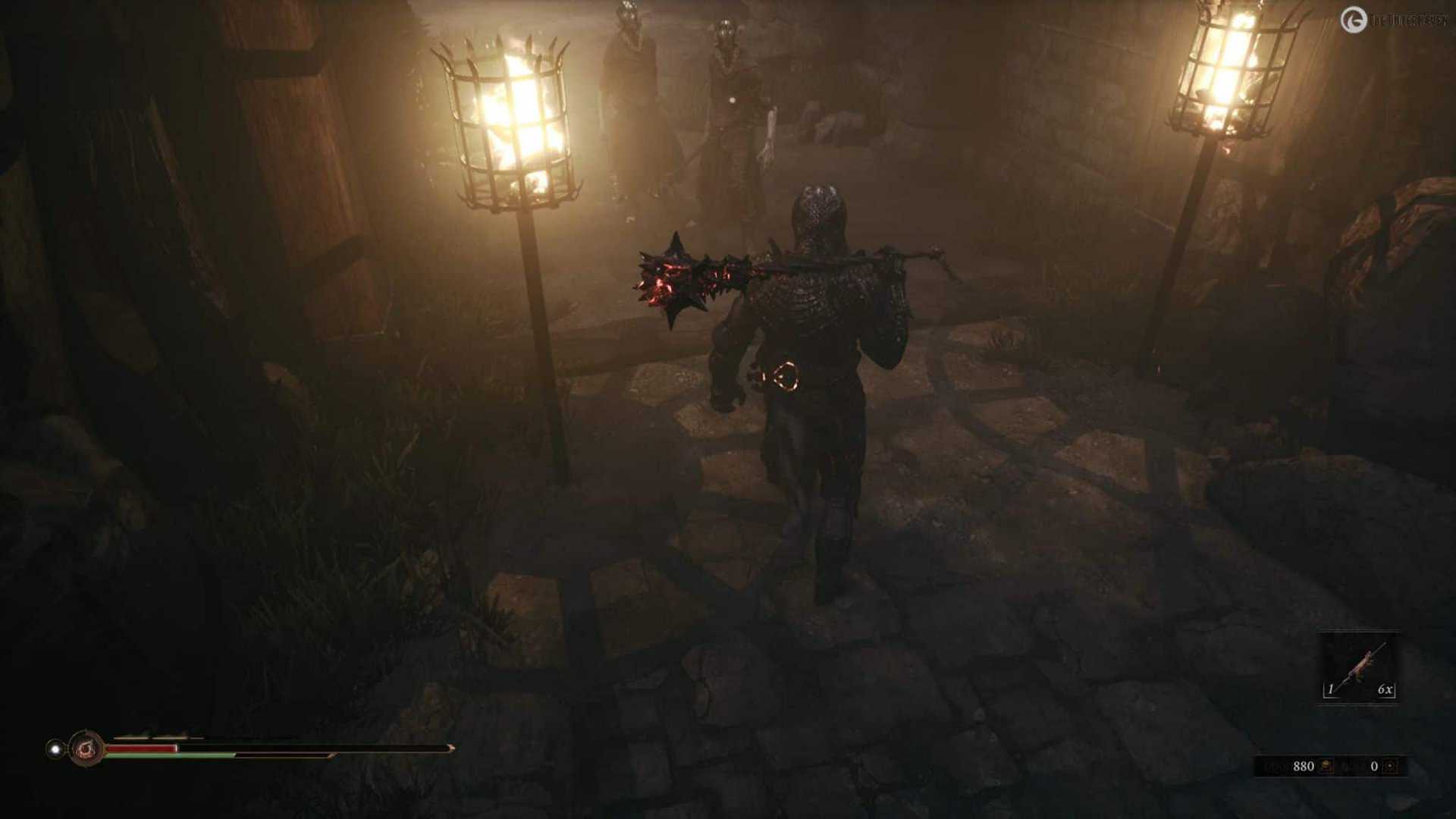
The biggest issue I had with the combat came whenever I ended up surrounded by several enemies. With no traditional block, faster enemies can quickly close the distance, ruin your day, and knock you out of your Shell. That would not be so bad if being ejected moved you away from danger. Instead, you often land in the middle of the same group that just overwhelmed you.
This is not a problem unique to Mortal Shell, but it still needs to be pointed out. The last thing you want is to find yourself trapped between several enemies and suddenly become their personal punching bag.
I would also be remiss if I did not discuss the enemies. Every creature trying to tear me limb from limb looked impressively detailed, from savage lizardmen to giant, hammer-wielding knights, eerie floating specters, and more. Those who played the Mortal Shell preview and were disappointed by the limited enemy selection should be happier with the full game.
There is some damned good-looking stuff here that you need to see in motion to fully appreciate. My favorite locations were the ice-covered area and the strange region filled with floating stone structures, but that is not meant to discredit the other environments. They all look fantastic. The game made me wish it included a photo mode because I would have loved capturing those areas without the HUD getting in the way.
Let me glimpse into your Soul
As the name suggests, the game revolves around the use of Shells, which are the deceased bodies of former adventurers that you can possess. Once you discover and inhabit a Shell, you gain access to its abilities as you unlock them. Each Shell has different attributes, advantages, and disadvantages, meaning your character choices are preset and there is no traditional character creation system.
This allows Cold Symmetry to simplify several mechanics that far too many Soulslikes tend to overcomplicate. There is no encumbrance system, no worrying about which statistics deserve your next point, and no need to constantly upgrade dozens of different weapons. Instead, the game revolves around four Shells, each of which is different enough that most players should find one that suits their preferred style.
Shells also provide a second chance at survival. When your health is fully depleted, you are ejected from your Shell and returned to the vulnerable form you controlled at the beginning of the game. From there, you can attempt to finish the fight in that weakened state or scramble back to your Shell and reclaim it with your health restored. It is effectively a free resurrection.
There is a catch. You can normally reclaim your Shell only once per life, although returning to Sister Genessa restores that second chance. Several items can also restore the ability or forcibly eject you from your Shell. I found the latter useful before boss fights when I wanted to avoid wasting my limited healing items. I could eject myself, reclaim the Shell for full health, and then use another item to restore my second chance.
You can also play without using Shells by interacting with a hidden monument that strips away your ability to equip them. The obvious disadvantage is that you have very little health and cannot survive a single hit, dramatically increasing the challenge.
While I think the Shell system is an excellent addition to the Soulslike genre, some Shells are far more useful than others. Two of the four felt overpowered compared to the rest. They could have been nerfed, or the weaker Shells could have been improved, but the imbalance gave me little reason to move away from the Shell I used for most of the game.
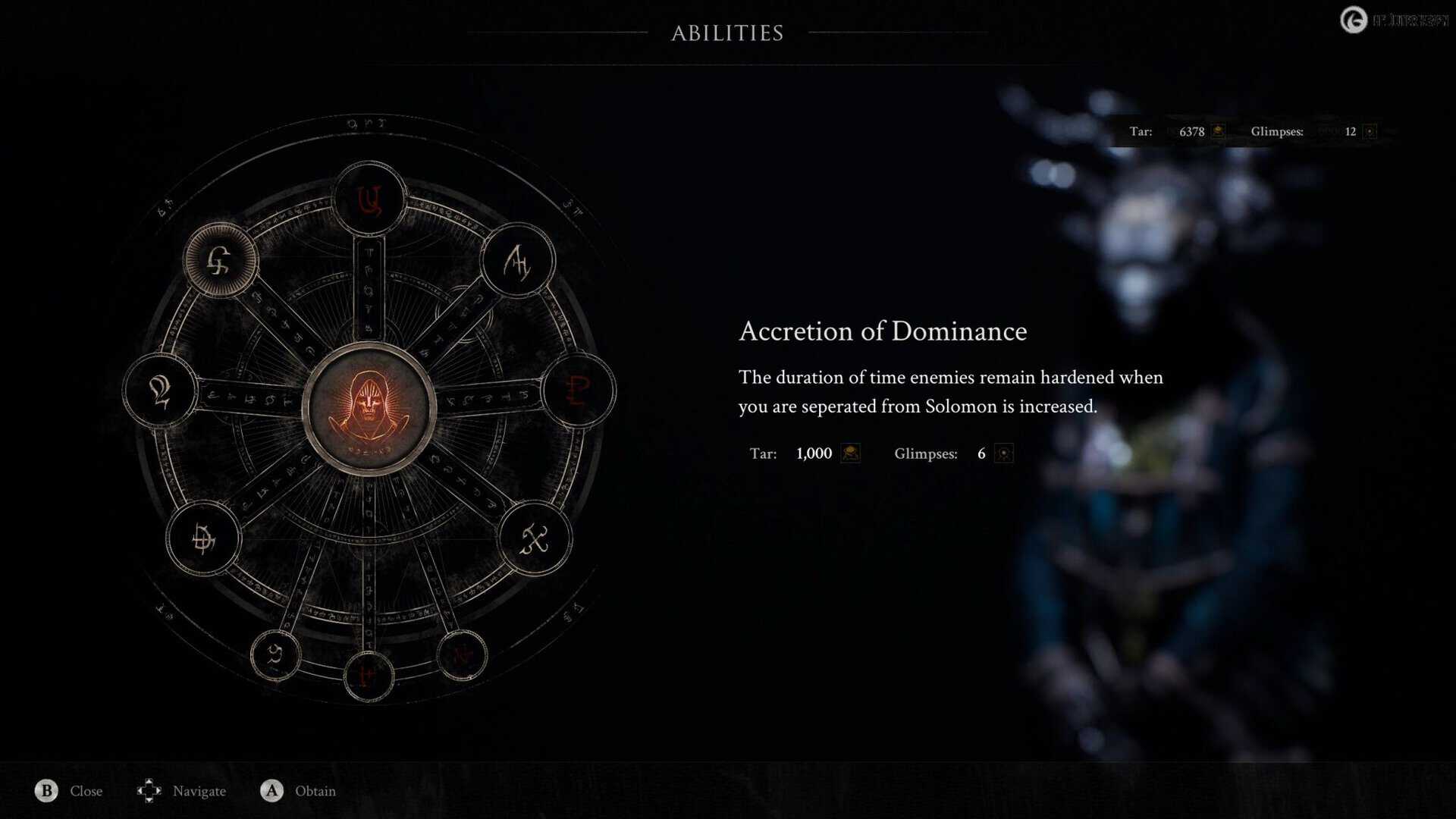
There is still a weapon upgrade system, but it is about as straightforward as they come. You find a weapon and use specific items to increase its strength. That is essentially it. This does not mean you are limited to a single weapon. Along with the default blade, you can unlock three additional melee weapons and one ranged secondary weapon.
You will not have access to them at the start and must earn them as you progress. Even after unlocking everything, I ultimately stayed with the default weapon because I had already invested several upgrades into it and could not be bothered to switch.
The simplified progression also means there is no traditional leveling system that lets you endlessly increase your statistics until you overpower the game, particularly its boss fights. Most of us are guilty of doing that in Dark Souls, myself included. None of that exists here, meaning you need to pay attention, recognize enemy attacks, and learn their tells if you want to succeed. Trust me, that is damned important.
What surprised me most was how nonlinear Mortal Shell is outside its opening area and final section. Most of the journey is left entirely up to you, as I discovered the hard way. While searching every nook and cranny, I wandered into one of the game’s later areas during my first few hours. Thankfully, my previous experience with Soulslikes helped me survive and complete it.
However, when I eventually returned to the earlier areas required to finish the game, they were no longer much of a challenge. I appreciated the freedom to choose my own path, but tackling one of the harder regions so early made the remaining locations feel too easy and spoiled part of the experience.
Let’s talk about the PC version
My time with Mortal Shell was spent with the PC version through the Epic Games Store. We PC gamers like having options, whether that means cranking every setting to the maximum or lowering a few so we can squeeze out every ounce of performance. I can happily report that Cold Symmetry did a bang-up job with the PC version.
There are numerous toggles and sliders for resolution, frame rate, V-Sync, visual effects, and overall quality. There is plenty here for players who want to balance performance against visual fidelity. You can also remap keyboard and gamepad controls, along with adjusting a wide range of gameplay, audio, and accessibility settings. This feels like a proper PC release rather than a lazy port.
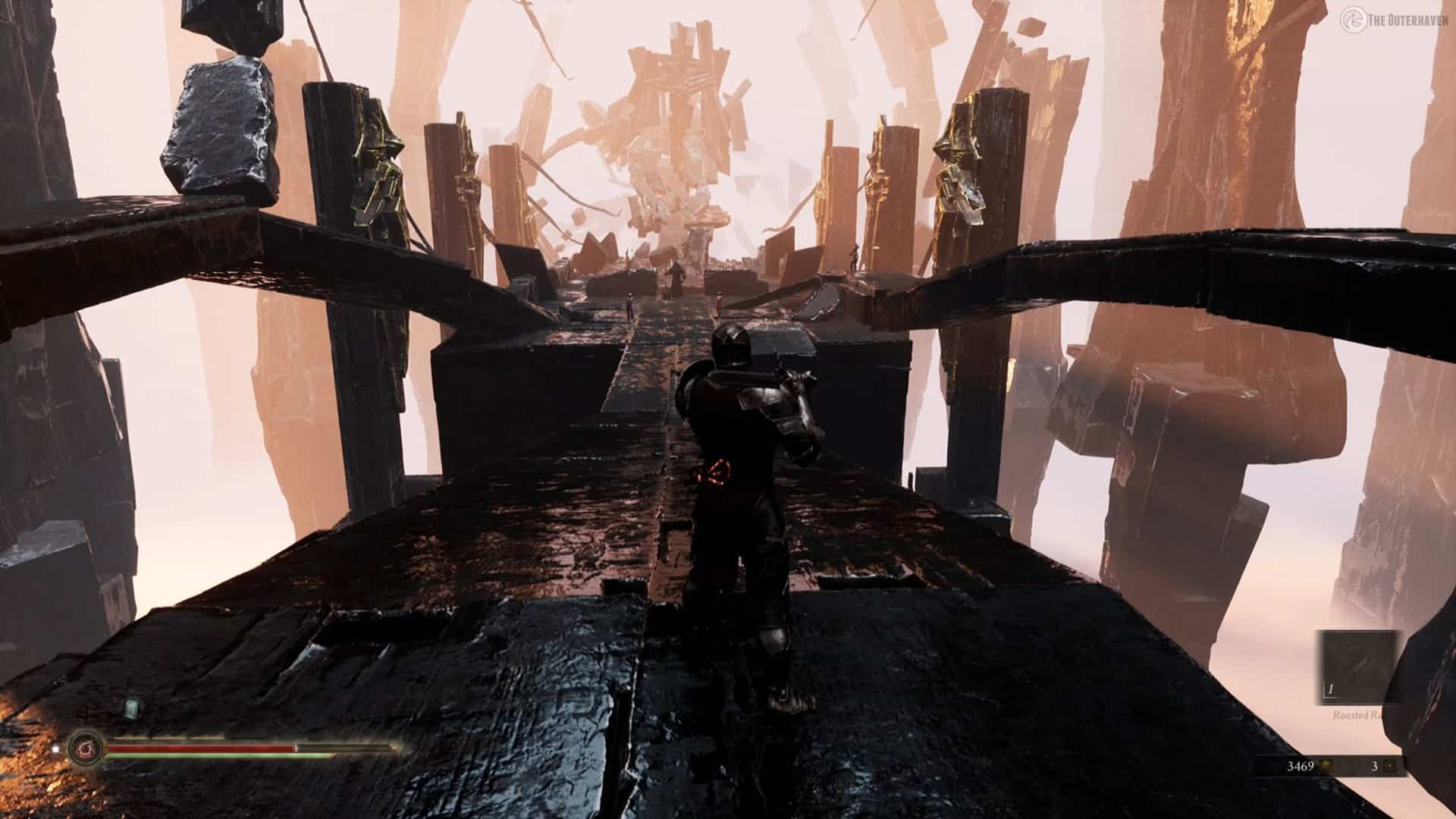
For performance testing, I played Mortal Shell on three different PC builds: entry-level, mid-range, and high-end. The entry-level system, equipped with a Ryzen 7 1700 and an Nvidia GTX 1080, ran the game above 60 frames per second at both 1080p and 1440p using a mix of medium and high settings. The mid-range and high-end systems handled 1440p and 4K using high or ultra settings while maintaining 60 frames per second or higher.
I occasionally saw the frame rate drop for a moment, but those instances were few and far between. Outside of that, the game appeared to be well optimized. Of course, this is PC gaming, so the experience may differ depending on your particular hardware and software configuration.
I know some players will complain that the game does not include Nvidia DLSS or AMD FidelityFX support, but I do not consider that a major issue. Both technologies could have improved performance, but considering this was Cold Symmetry’s first game, their absence was not a deal-breaker. It was also possible that support could be added later through an update.
That said, I still encountered several problems while conducting the review. I assumed some of them were related to the review build and possibly not representative of the final code, but the game crashed several times. A few of those crashes happened right in the middle of boss fights, and as you can imagine, I was not thrilled. I did not know whether a launch-day patch would address the issue, but if not, I hoped Cold Symmetry would fix it quickly.
Verdict
I am going to be blunt and admit that there was very little I did not enjoy about Mortal Shell. It was even more impressive when considering that the game was created by a team of only 15 people and was the studio’s first release. There are a few quirky moments and some strange ragdoll physics, but the overall game easily rivals many big-budget titles.
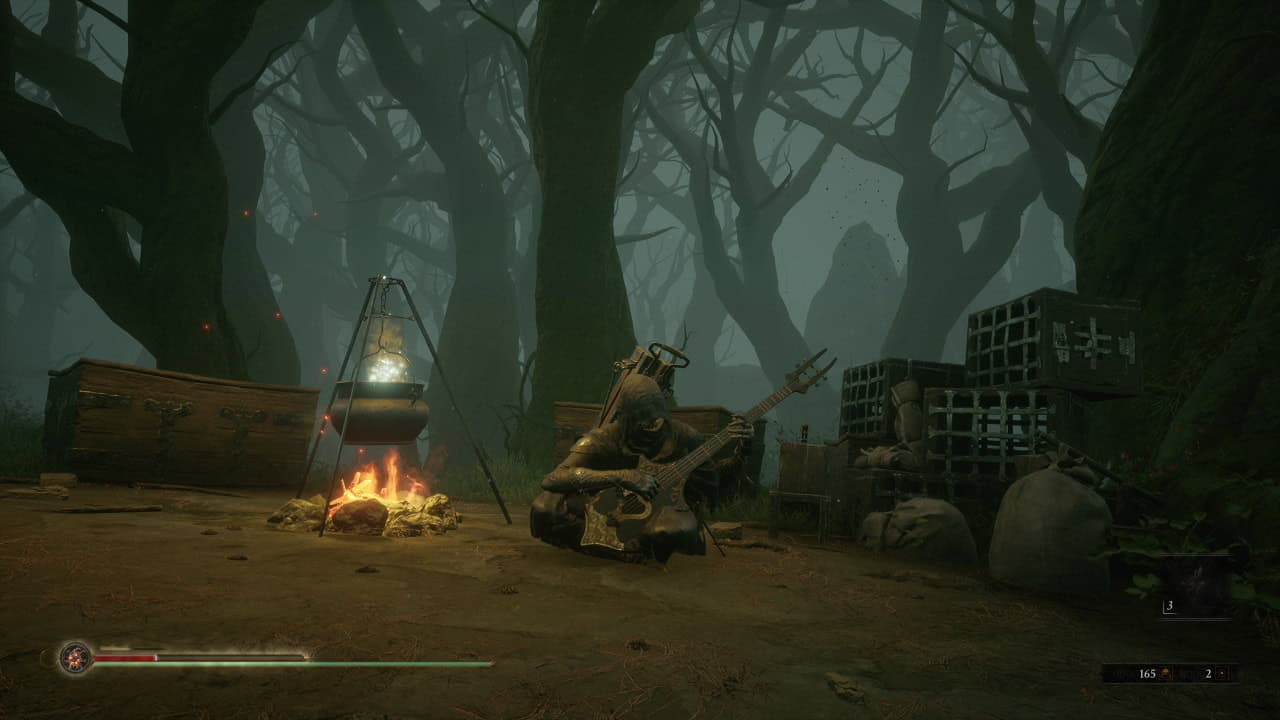
My only major issue was that the game was not very long. Once you understand how everything works, you can blast through it in only a few hours. My first playthrough took approximately eight hours because I spent time exploring, discovering new things, and documenting everything for the review. My second playthrough was much shorter because I was already familiar with the content.
Your completion time may vary, but I still wish the game had been longer. A New Game Plus mode becomes available after finishing it, but much like other Soulslikes, you are left repeating the same content at a higher difficulty. With no online mode, cooperative play, or PvP, Mortal Shell may not offer much long-term replay value.
Yet despite that, I was eager for another reason to dive back in and hopeful that Cold Symmetry had plans for the future of the franchise. It was difficult to believe that Mortal Shell was the studio’s first game because nearly everything, from the gameplay to the art and sound direction, screamed quality. As a longtime Soulslike fan, it quickly became one of my favorite games in the genre. Anyone who enjoys these kinds of experiences should give Mortal Shell a try.
Looking for more Soulslike coverage? Explore our complete Soulslike reviews and preview coverage for more in-depth analysis of action RPG releases.
Review Disclosure Statement: A review copy of Mortal Shell was provided by PlayStack for review purposes. For more information about how we review video games and other media and technology, please read our Review Guidelines and Scoring Policy.
Affiliate Link Disclosure: One or more links above may contain affiliate links. At no additional cost to you, The Outerhaven may receive a commission if you click one of those links and make a purchase.
Mortal Shell Review
Mortal Shell takes the familiar Dark Souls formula and gives it a strong identity through its Harden mechanic and Shell system. It is shorter than I would have liked and has a few balance and performance issues, but its combat, atmosphere, and overall quality make it one of the better Soulslikes out there.
