

Marvel Tōkon: Fighting Souls (Marvel Fighting Spirit: Fighting Souls if you’re translating) is possibly the “one new Marvel fighting game per generation” thing. While the MCU juggernaut rages on, there’s always room for the more interactive format to get its due. Especially in a category that definitely answers What If with authority better than whichever writer could when it comes to comic book dream matches.
We’ve had multiple decades of comic book-influenced fighting games, throughout the history of gaming, since Capcom blessed us with X-Men: Children of the Atom. Thanks to the power of overseas collaboration, impressive cell-shaded tech, and some of the zaniest minds imaginable, Arc System Works has decided to make the Marvel dream duels real within their own realm. And with the way the Guilty Gear creators do things, a certain level of pleasurable chaos is meant to ensue. A certain chaos that I expected only Arc System Works to bring about since the reveal.
Game Name: Marvel Tokon Fighting Souls
Platform(s): PS5, PC (Steam)
Reviewed On: PS5
Developer(s): Arc System Works
Publisher(s): PlayStation
Release Date: August 6, 2026
Price: $59.99
The Champion does his best Akuma impression, taking out the worlds whose challengers were not worthy. After even the Gladiator takes a bow at the hands of the new foe, The Champion turns his sights to the one planet not to mess with in the MCU – Earth. The Champion sends out invitations to a contest of strength to five individuals to assemble teams in order to stop the Champion, the Promoter, and any other immortal looking to go toe-to-toe with the best and brightest that Marvel has to offer. Classics like the X-Men, Avengers, Midnight Suns, Guardians of the Galaxy, and that merc with a mouth, Deadpool, are brought to rock the world and potentially save it in the process.
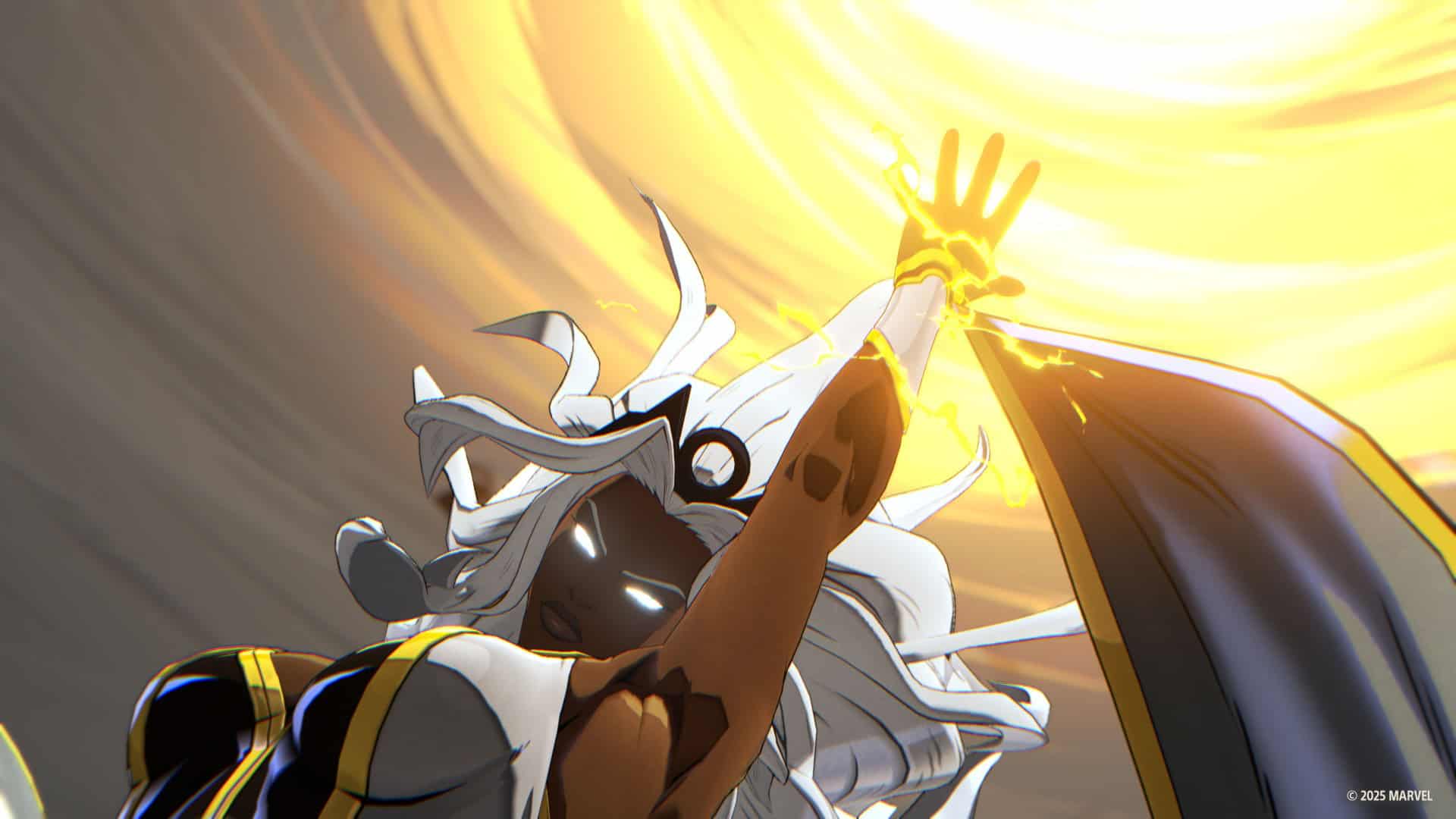 Marvel Tōkon: Fighting Souls does the yeoman’s work for bringing Marvel to the table. Each time Japan takes on the Marvel franchise, there are certain expectations placed on whoever is leading the project. The creative freedom they take, the liberties in the backstories, and heck – their own Earth is theirs. However, what they usually accomplish, with the style they are known for, always clears the hurdles in many ways.
Avengers Confidential: Black Widow & Punisher comes to mind as one of the better runs of when Anime and Marvel meet thanks to Madhouse. The best part of Marvel Tōkon is the better blend of the worlds. Comic book artists already deeply connected to the franchise share the spotlight in Episode mode’s panels, a story based around the five teams that were invited. Yūki Katō’s Blazblue-honed influence is all over it too, and each episode runs about 2 hours long.
The real soul of Marvel Tokon
The respect for Marvel and its history is clearly there in Marvel Tōkon. The Marvel vs Capcom series brought about borrowing voice talents from their cartoon or previous Marvel games counterparts. Tokon continues the tradition to an extent. You’ll get Steven Blum’s Wolverine(personally, I’m a X-Men: TAS Cal Dodd stan, but still good to hear Steven), who has served on Wolverine And The X-Men. Spectacular Spider-Man’s Josh Keaton takes on Spider-Man and Iron Man. The voices and the dialogue match things very well. For instance, Magneto’s words still haunt those who despise his kind with prejudice.
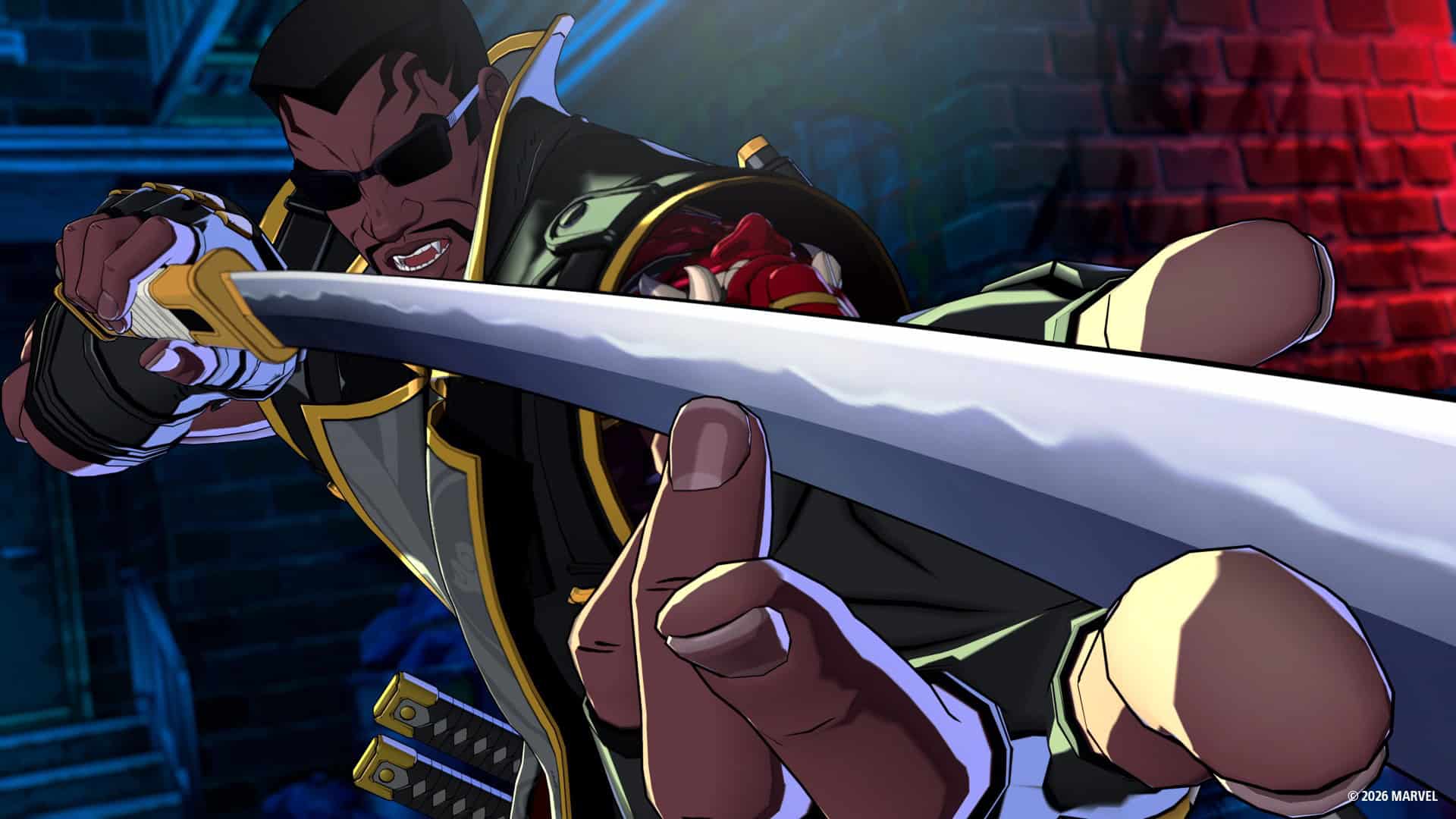
As for the teams, this feels as though it’s a stacked roster of Marvel’s best and brightest at the forefront but moderately respecting the 20 count. Also, some intriguing choices that still shone brightly. I’ve been averse to Ms. Marvel and Peni Parker outside of this game, but the two grow on you to a point when you see them. Blade and Green Goblin were surprising to see in an actual fighting game as playable additions more often than just cameos. Also, they come with great kits to complement them and their media appearances. The glider of the Green Goblin is a good gimmick for him.
Deadpool is his usual self in Marvel Tōkon, but now on the fighting game shenanigans tip. The references are plenty, and it feels as if no one is safe. Tekken, Street Fighter, Mortal Kombat, Guilty Gear, Street Fighter EX, even the Taito classic Kaiser Knuckle – yes, nothing is REALLY safe from Wade Wilson’s 4th wall breaking in Marvel Tokon. Just pause the game with him on screen to hear something slightly disturbing. Arc System Works always knows how to bring out the best of a franchise visually, but with Deadpool, it feels as though every company that makes a fighting game is in on the joke. It’s like Smash Bros all in one person.
Marvel Tōkon’s score is hype so far. The Xavier’s School has me hooked. Wait until the score gets to 2:15, with the drums getting more present than before, adding to the intensity. That’s usually it with me when it comes to fighting game soundtracks. There’s always that one track you get stuck on in a good way, and Marvel Tokon has it, too. Arc System Works does wonders with a full orchestra on hand as much as they would with heavy metal / progressive rock influences.
The Heart of Battle
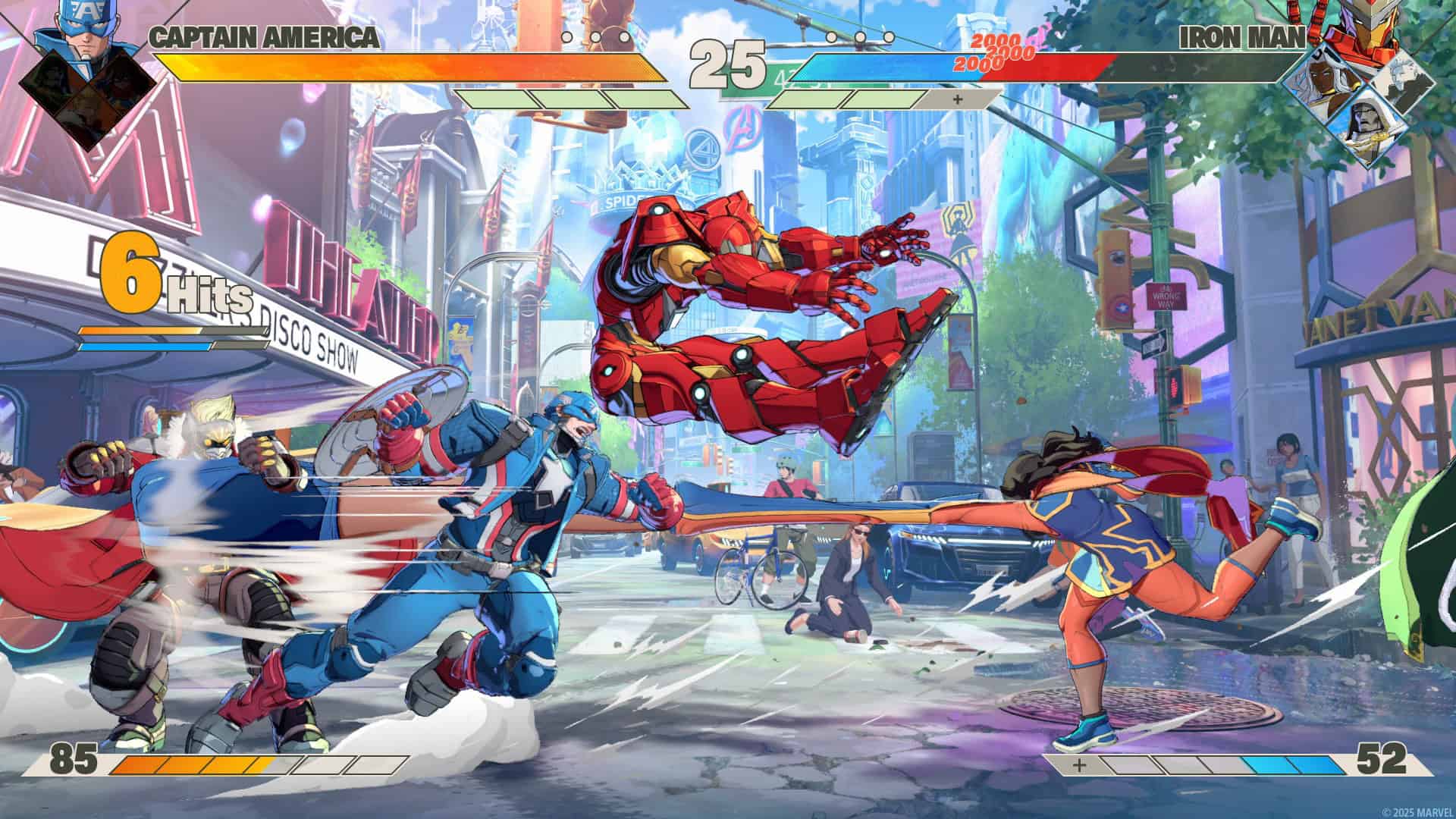
The Marvel Tōkon bouts are best-of-5 rounds. Compared to other tag games out there, it’s a single bar for everyone. When the bar is done, the fight is over. No relying on fodder to keep the anchor in reserves like other tag fighters. 4 fighters assemble to form a team, with 3 different slots for Assists: Shooter for projectiles, Assault for pressure, and Vertical for anti-air.
In a real match, not all Assists are granted from the start, unlike other tag fighting games. The Shooter is usually first. When other conditions are met, such as a Wall Break, another character is prepared. Characters will let you know through talking and showing up. Marvel Tōkon needs about 8 buttons to fully enjoy it, so maybe a good stick or Hitbox could help. I’ll stick to my Hori Fighting Commander for this.
Each character does something different per their slot. Iron Man’s beam is Shooter, while his knee attack is his Vertical, for instance. Assists are controlled by 3 Green Bars that get replenished in 7 seconds. It does get frantic when almost everyone is on screen for tags. Tōkon Assemble is always the crazier one. Delayed Tag Supers are in, too, which allows another super move to be done after the other. If anything, Marvel Tōkon does feel like it’s at pace with the likes of Power Rangers: Battle For the Grid. It’s moderately grounded, deliberate, with a focus on neutral. It’s a lower damage count than other tag fighters, hoping for more punish fun and combo cashouts.
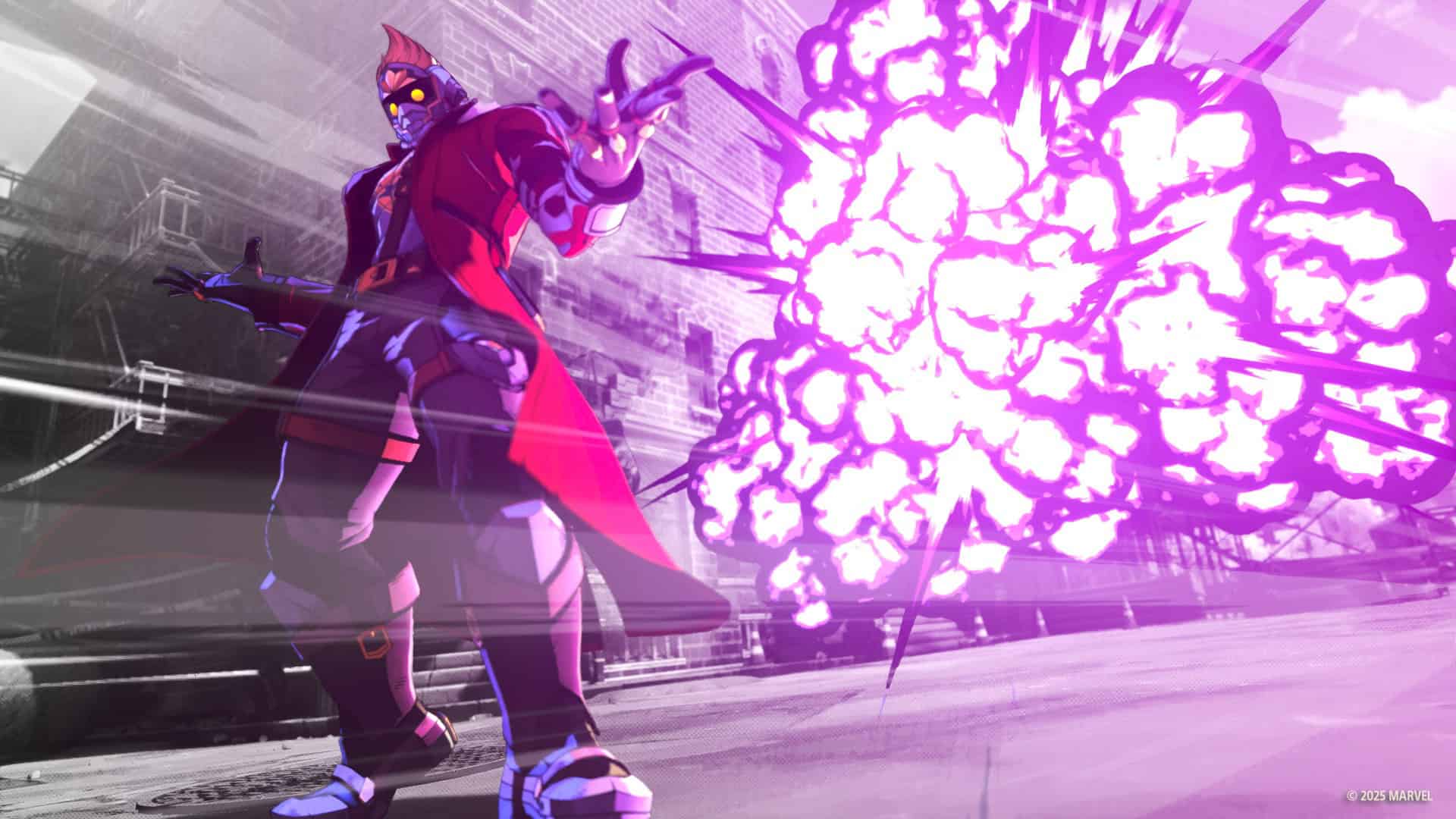
The liberties that Marvel Tōkon takes feel as though there’s a lot more expression for utility. Spider-Man’s web-slinging abilities allow him to clear the screen for more rush down fun and can even provide an escape. Blade’s access to two different projectiles, such as the Heartstopper, gives more versatility to him and a way to cancel attacks and follow up for more hits. Unique abilities seldom provide useless kit features on any character. Certain characters have meter-less counters that can change the course of battle within an instant without sacrificing resources. Captain America has one of the best ones.
Luckily, the “modern” style is baked into the standard play, so you don’t have to select a groove and get locked in. The trade-off is a lighter damage output than doing the specials in full – which seem to follow the Quarter Circle Forward (fireball), Quarter Circle Backward, Down Forward Down-Forward (uppercut), and two Downs, directionals. Tokon keeps things simple for everyone to get into to start.
The 8 stages are teeming with Marvel references and variations in their wake. Some do allow Wall Breaks, while others keep you boxed in enough to take the punishment after an off-the-ground bounce from a launcher. There’s always something going on and Easter Eggs aplenty.
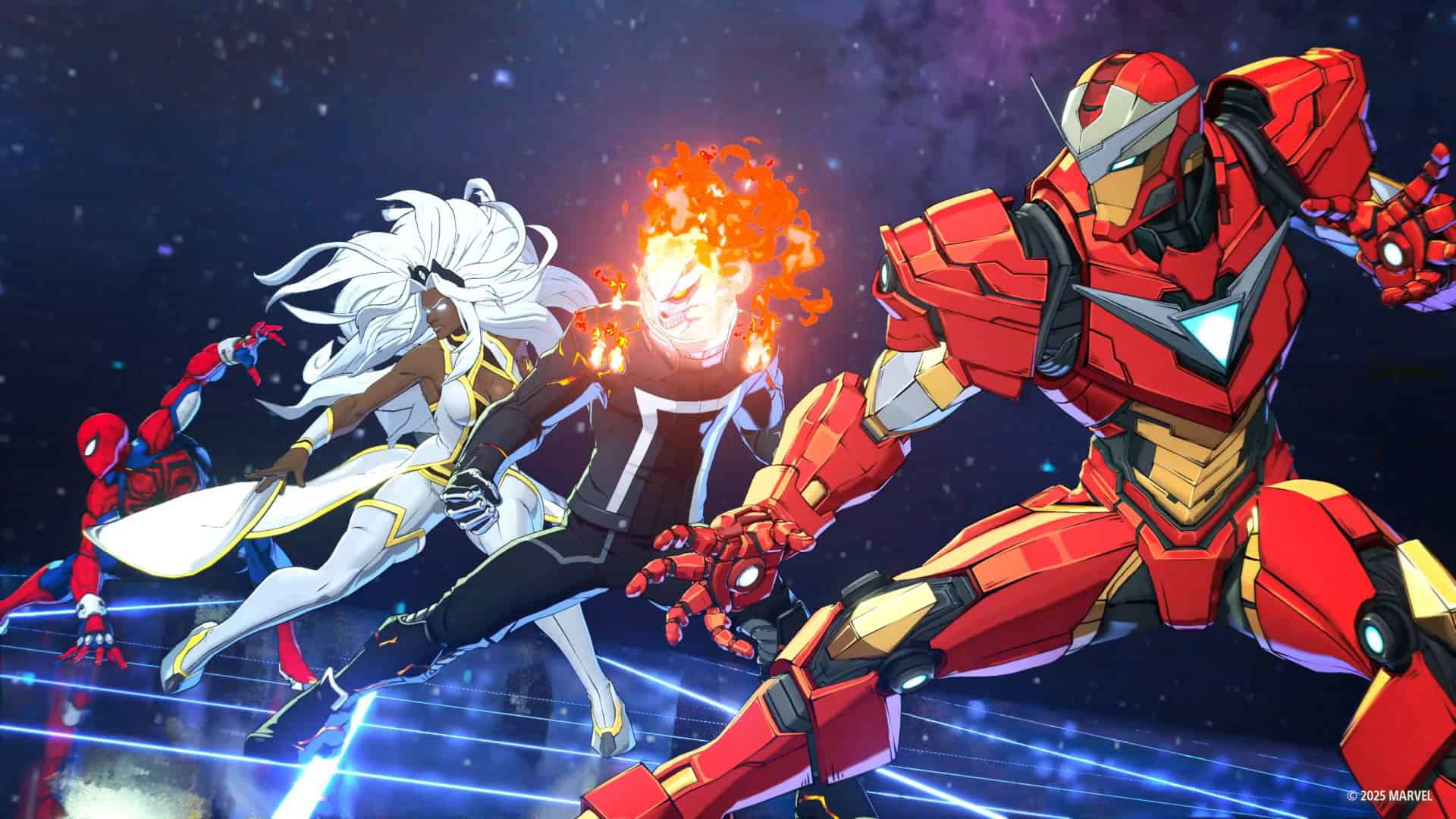
Several archetypes are represented in Marvel Tōkon. Aerial Zoning, Rushdown, All-Rounders, Setplay, and other types are inside. While Grapplers may be slim pickings to a point at this, Ms Marvel and possibly Hulk attempt to fill the void. Also, this is just the base roster.
Marvel Tokon And More

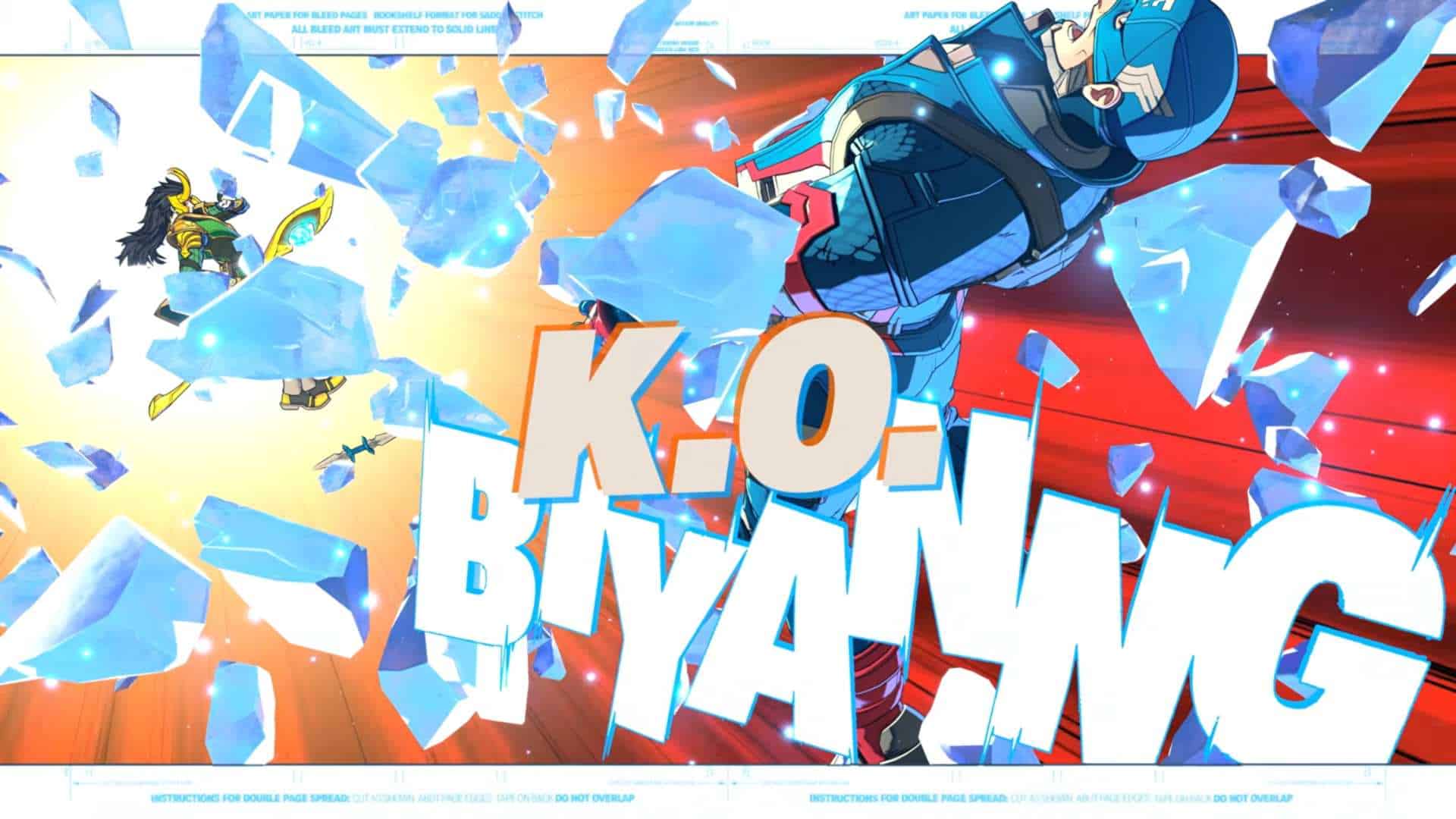
The training section even has some preset situations such as Crossovers, Mixup, and Pressure scenarios. This is a first from them. It’s as though Arc System Works knows how to go about it. The virtual controller is back and just as handy as it has always been. The Character Tutorials don’t echo the YouTube videos provided, but they get enough into you before showing off some handy combos and quick tech to use. Gamma Rage, for instance, powers up the Hulk’s different moves and can even give him what his iterations were missing – unblockables.
The Rollback Netcode while playing other players was smooth when it was with other PS players. Replays also had the replay takeover function as a standard, out-of-the-box feature. No need to wait for it on a tag fighter.
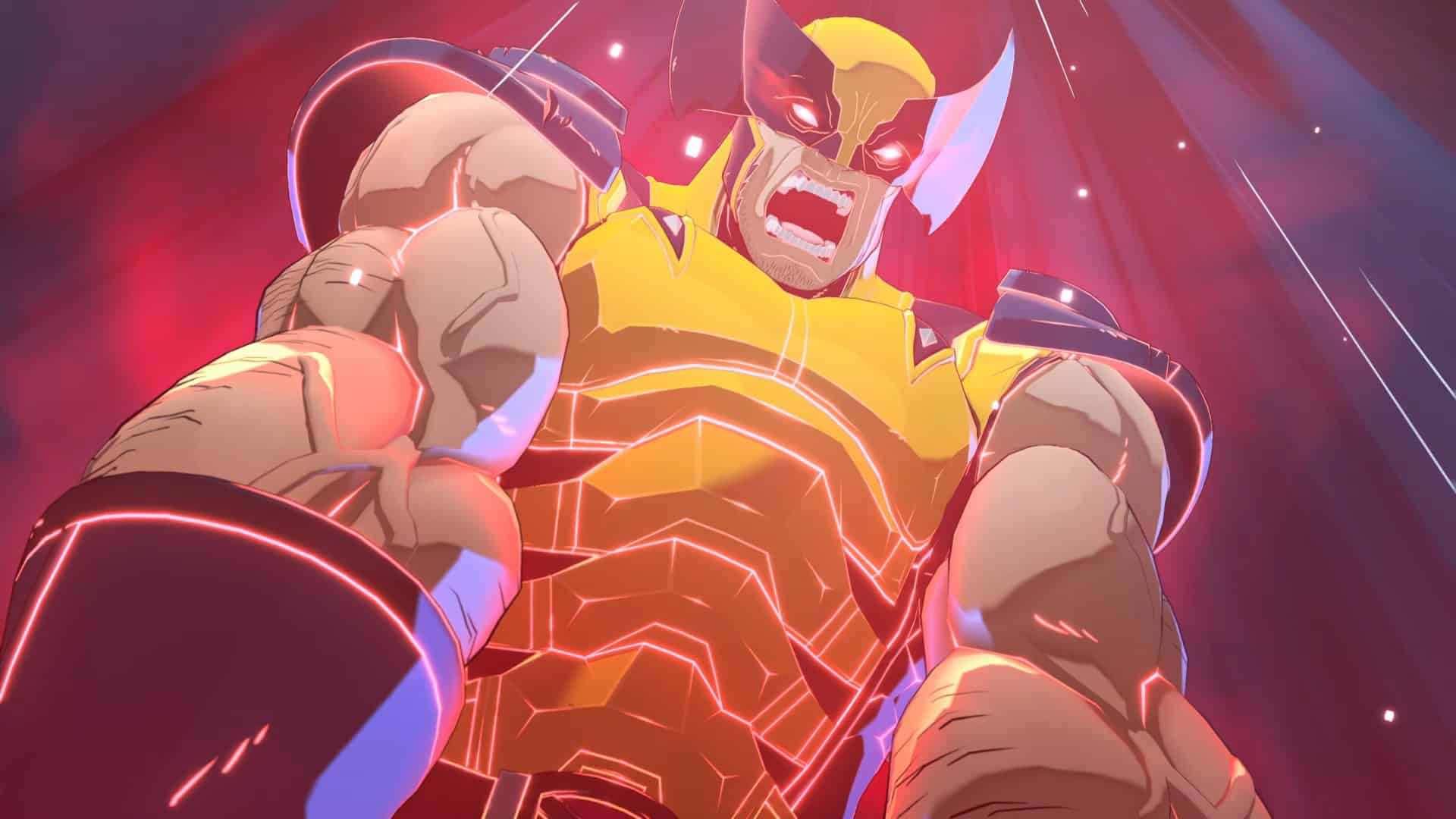
Marvel Tōkon has a lot of things to keep even single players engaged. The Arena and Survival modes add flavor to it by giving out buffs to choose from to help stay alive in the gauntlet. Boss characters show their faces in the sets. Arcadia Rumble feels like tag with the lobby chibi avatars to face off in a bit of a Nick Arcade ending to tie things back to Marvel Tōkon. All-Star Arena gives out the five routes in a bit more of a different format. Similar to Survival, the powerups come from defeating groups of foes. The best kind of Survival modes, in fighting games, come from the ones that let you get some sort of upper hand while brawling for your life.
The Missing Pages of Marvel Tokon
While Marvel Tōkon hits some home runs, there are still a few misses in its execution. Crossplay matches between ecosystems suffer significant lag. We’ve had matches where the slowdown between PS5 and PC players was noticeable. Arc System Works has seen and is starting to address the PC issues head-on, but at launch, the damage feels as though it is already done. Tournaments and influencers have already stated their piece on the matter.
Auto-combos through one button push can’t be turned off just as much as Quick Skills can’t. Instead of it being designated to one spot that can be turned on and off, that’s not the case. It would be cumbersome if accidentally triggered. Menus can be a bit overbearing despite them looking clean enough to fit the fantastic comic book aesthetic. The UI has several drilldowns that might make some options tedious to get through.
A nitpick would be why I had to have descriptive text when I first opened the game and had to turn this off even though I didn’t have it on for my system. Felt like a weird way to start a game, but I’m sure there’s a reason for it. My other nitpick would be the lack of history within the game itself. I wouldn’t mind seeing or reading a section that tells me when a certain character debuted or even the inspiration for a certain suit. Also, I was hoping for more Marvel classic suits since we’ve only seen a handful of the classic ones. This could be forthcoming, but that remains to be seen.
Conclusion
Marvel Tōkon Fighting Souls is definitely a visually impressive palate cleanser compared to what we’ve received from Marvel vs Capcom Infinite. Also, it goes above and beyond in the vision that only Arc System Works can provide. This is definitely the start of a new chapter for Marvel fighting games, as cohesive as one can attain in the current time.
While the PC version of the game struggled at launch (but has been patched as of this review), the PS5 version gave us a glimpse of what’s here and what should be followed for more franchise titles that blend fan appeal with the technical, competitive drive that fighting games are built on.
Review Disclosure Statement: A copy of Marvel Tōkon: Fighting Souls was provided to us by PlayStation for review purposes. For more information on how we review video games and other media/technology, please review our Review Guideline/Scoring Policy.
Marvel Tōkon: Fighting Souls Review - Rumble In Earth-358
Marvel Tōkon: Fighting Souls is a visually impressive palate cleanser after Marvel vs Capcom Infinite, delivering the kind of style and energy Arc System Works is known for. While the PC version struggled at launch, the PS5 version shows plenty of promise for this new chapter of Marvel fighting games.
Pros
- Amazing comic book-style visuals
- A 10-hour story mode featuring comic book and manga artists and writers
- 20 playable characters at launch
- 4v4 tag-team fighting
- Crossplay & Rollback netcode
- Extra modes that complement the lobby experience
Cons
- A rocky PC launch that is being addressed
- Menus can be daunting to navigate
-
Marvel Tōkon: Fighting Souls Review - Rumble In Earth-358
