

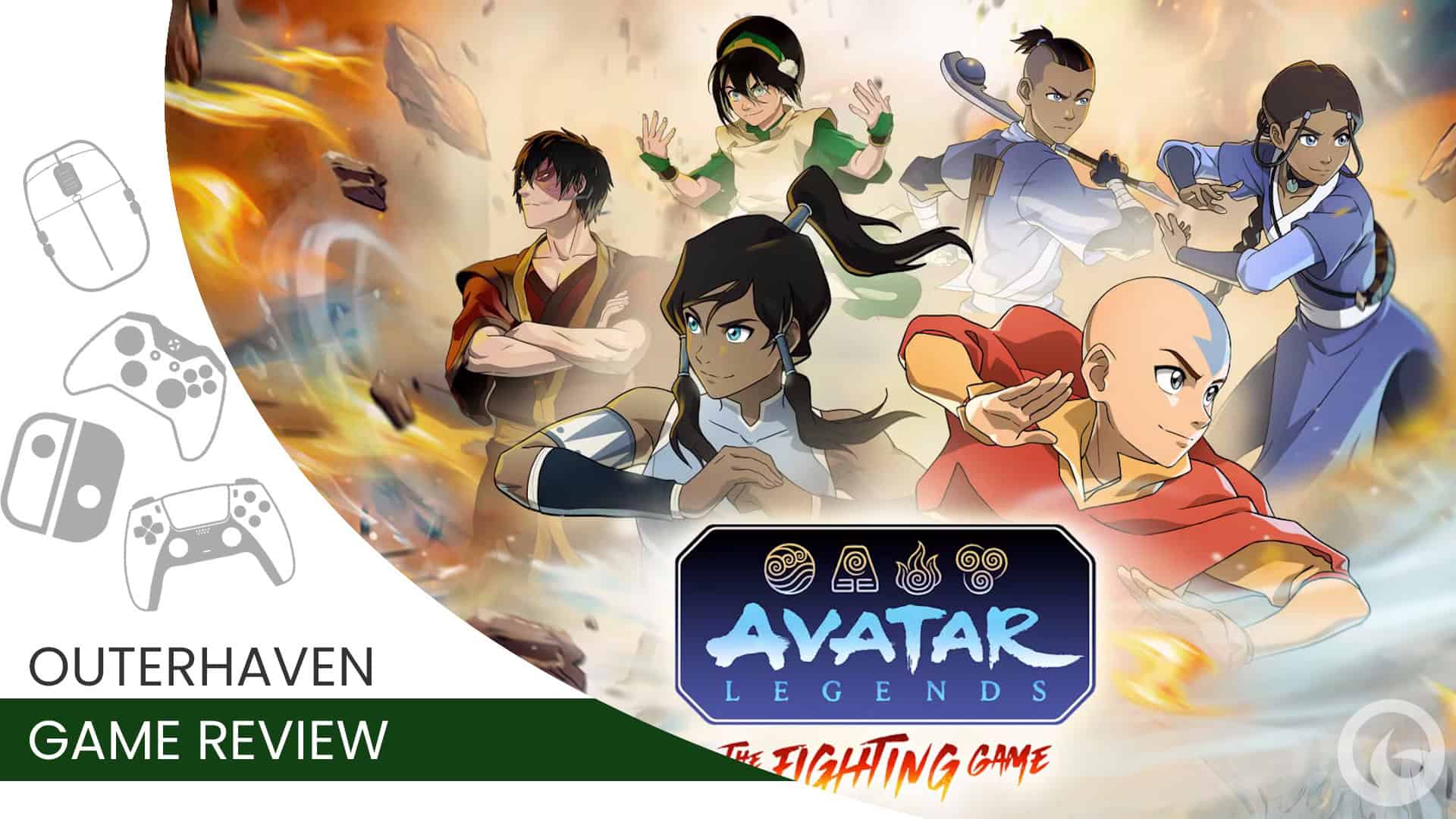
Avatar Legends: The Fighting Game arrives at a time when the Avatar franchise, the one with the bald martial artist and flying bison, not the blue humanoids, continues to take the world by storm. Since The Legend of Korra came to an end, the martial arts animated series has continued throwing around more elements than Battle Beasts did in the 1980s, and with the live-action adaptation moving forward, and the recently leaked animated feature The Legend of Aang: The Last Airbender, the franchise clearly is not slowing down anytime soon.
Avatar Legends attempts to capture that same lightning in a bottle while surpassing Nickelodeon’s previous attempts to turn its franchises into fighting games. Rather than following the platform-fighter route, it takes a more traditional and surprisingly technical approach.
Game Name: Avatar Legends: The Fighting Game
Platform(s): PlayStation 5, Xbox Series X|S, Nintendo Switch 2, PC Reviewed On: PlayStation 5
Developer(s): Gameplay Group International
Publisher(s): PM Studios
Release Date: July 23, 2026
A Harmonic Convergence Brings Everyone Together
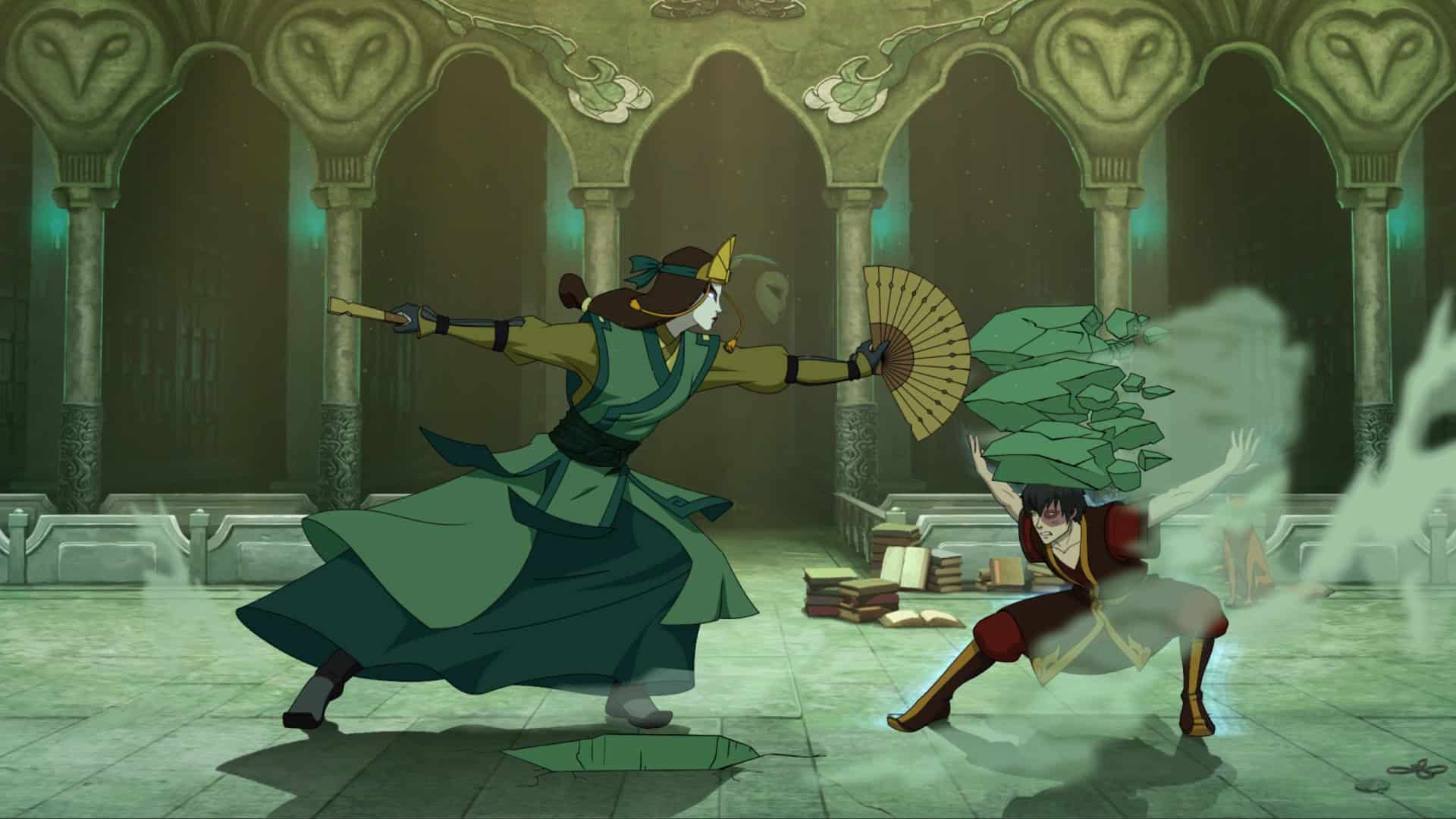
The premise of Avatar Legends is that someone is interfering with the world and its established timeline. Thanks to that meddling, the one-Avatar-at-a-time rule gets tossed aside faster than a bad cabbage, bringing Aang, Korra, Kyoshi, and many of their friends and enemies together within a single timeline through the Harmonic Convergence.
It is probably the closest thing to an Avatar dream match that fans could ask for. Have you ever wanted to see Azula face off against Zaheer or pit different Avatars against one another? You can do that here. Series co-creator Michael Dante DiMartino and writer Tim Hedrick, who has worked on numerous Avatar episodes, created the Story Mode plot that brings everything together, and the story is considered canon.
A Fast-Fighting Game Built Around Flow
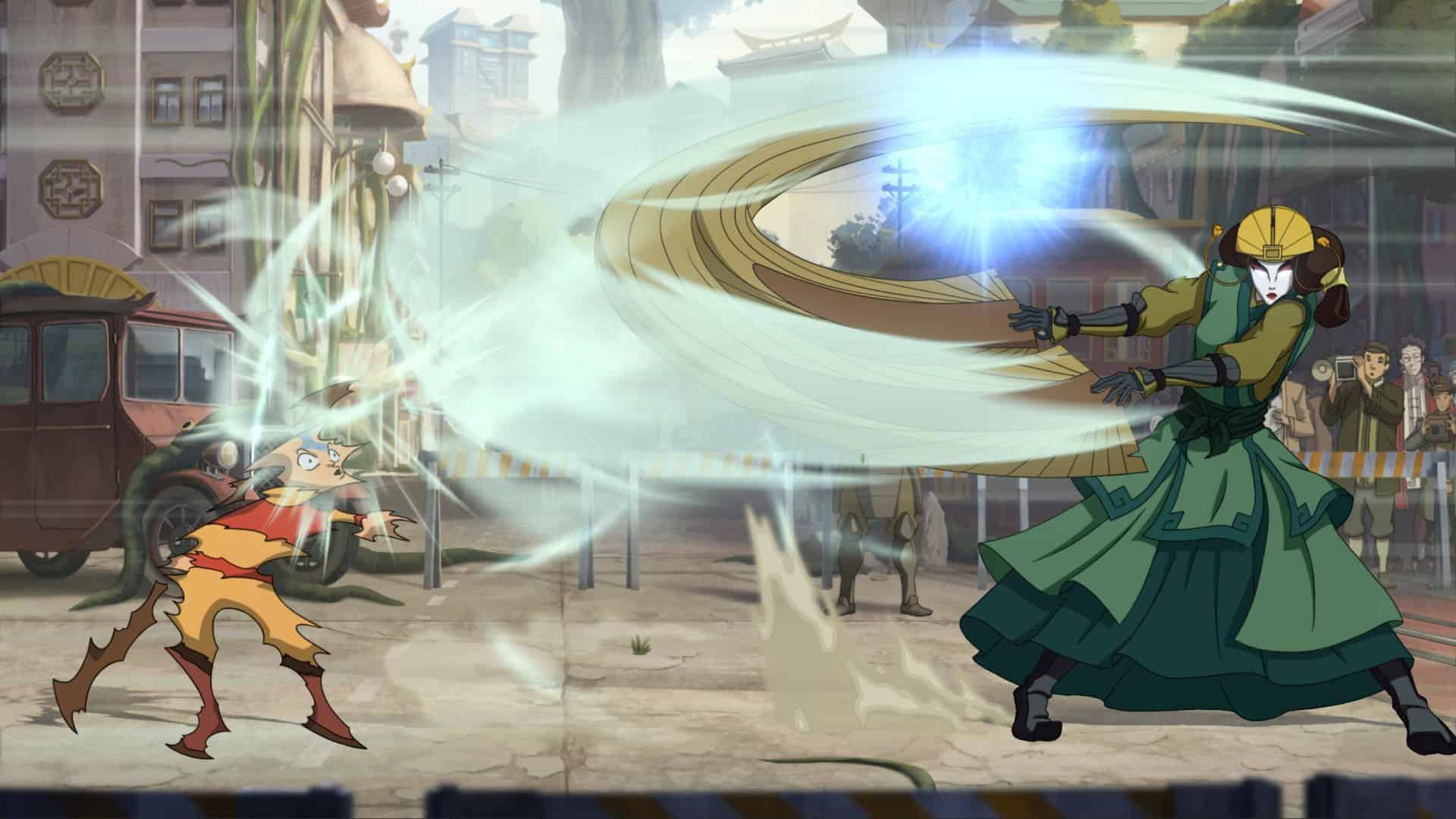
Avatar Legends is a fast-paced, one-on-one 2D fighting game first and foremost. It uses a four-button layout consisting of light, medium, and heavy attacks, along with a Flow button that controls several mechanics primarily centered on defense, movement, and the Flow gauge.
Landing attacks and connecting special moves builds the segmented super meter, while EX special moves consume the available meter dots. The Flow gauge is depleted whenever evasive Flow moves are used, and relying on them too heavily can leave a fighter in an Unbalanced state. When that happens, opponents can score hard knockdowns more easily and maintain additional pressure.
Flow movement also works differently for every character, meaning Aang’s escape options are not the same as Kyoshi’s. We covered more of those mechanics in our earlier Avatar Legends coverage, but the important thing to understand is that every fighter has unique abilities layered on top of the game’s universal systems.
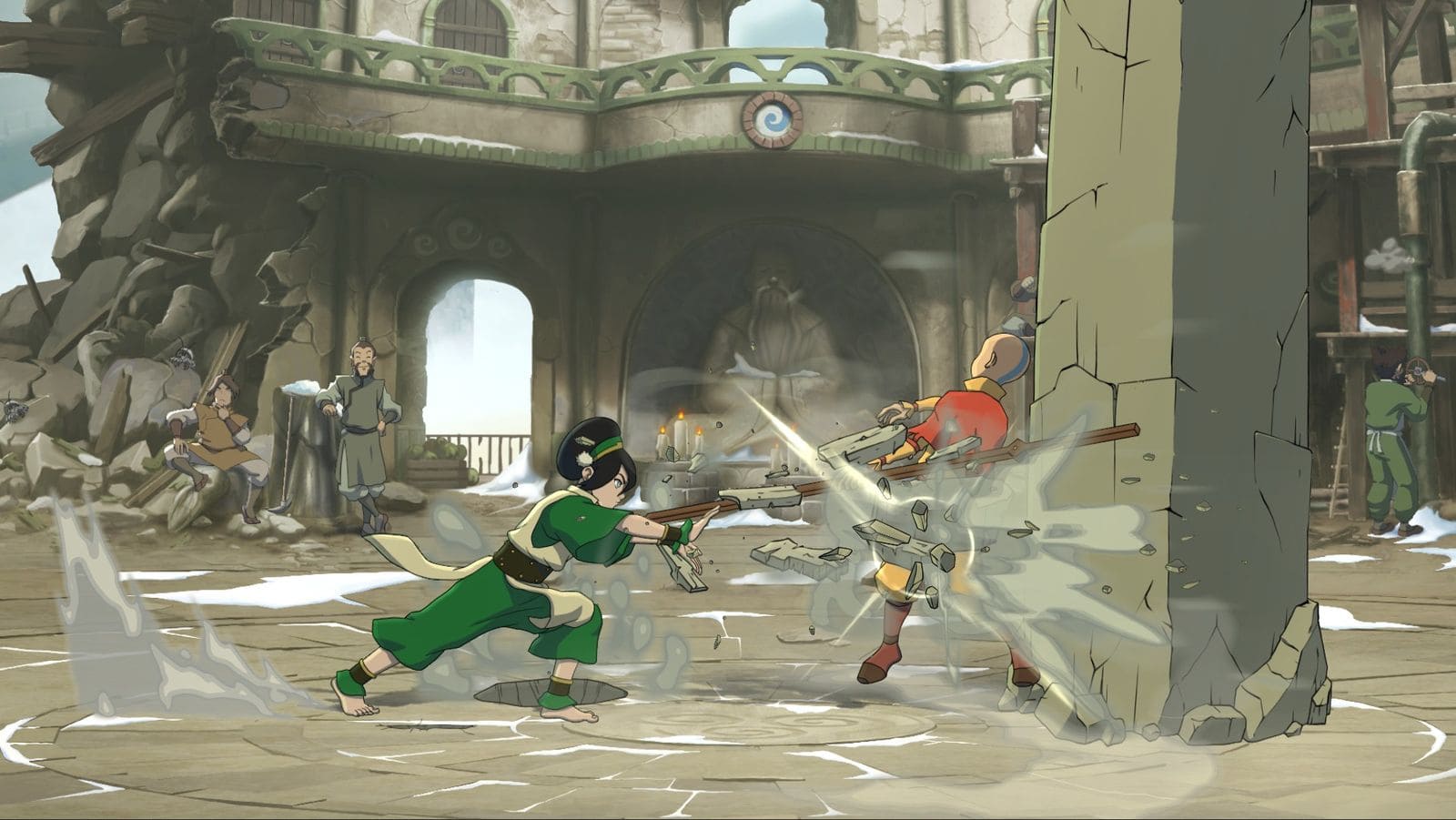
I gravitated toward the Melon Lord herself, Toph, the Earthbender and amazing announcer. Her Focus Dash can close the distance between fighters and pull opponents closer, almost like a tractor beam, while several of her special moves come with armor. Azula has a second form that activates after she loses a round, changing her from a zoner into a more aggressive brawler without requiring players to switch characters. Once she gets going, her offense can lead into extended combo sequences and sustained pressure. Zuko’s mix-up game also consistently forces opponents to guess between his different offensive options, and I mean that in a good way.
The Hand-Drawn Presentation Fits Avatar
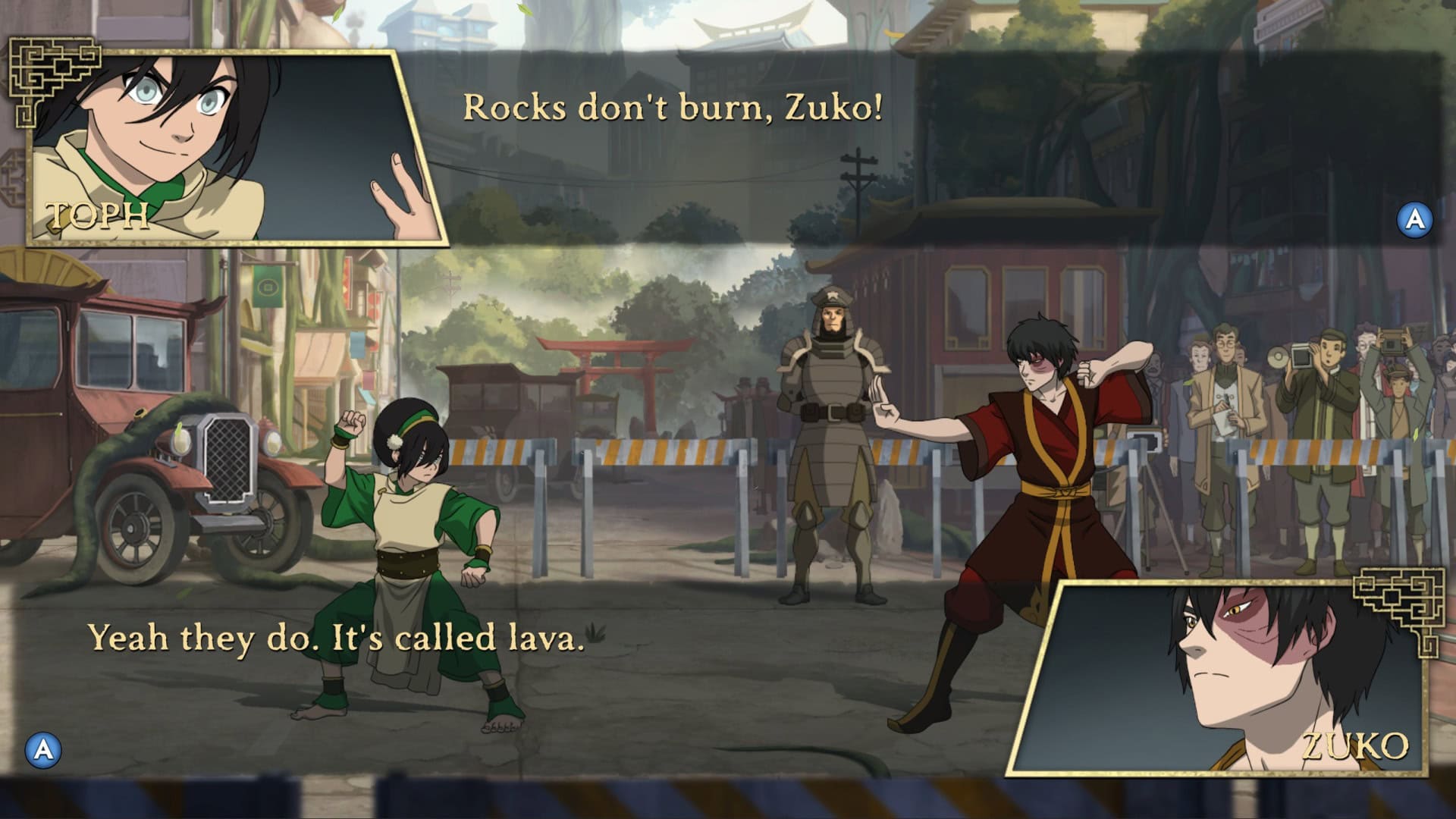
The hand-drawn visual style feels like another attempt to make a fighting game look as cool as possible while staying faithful to its source material. Other “beauty before bashing” titles, such as Street Fighter III: 2nd Impact, Martial Masters, Guilty Gear Strive, and Art of Fighting 3, showed how much personality detailed animation can bring to the genre.
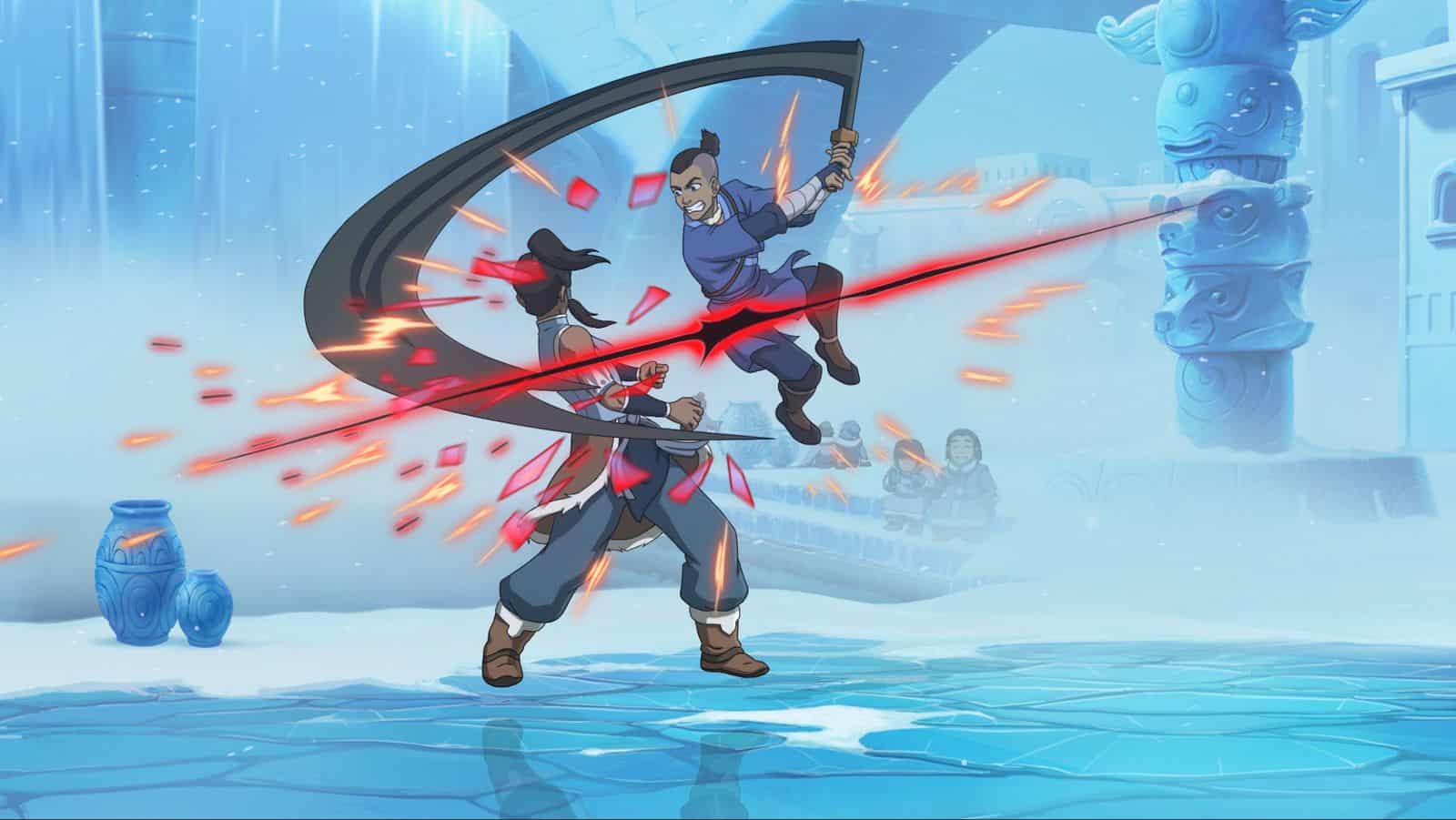
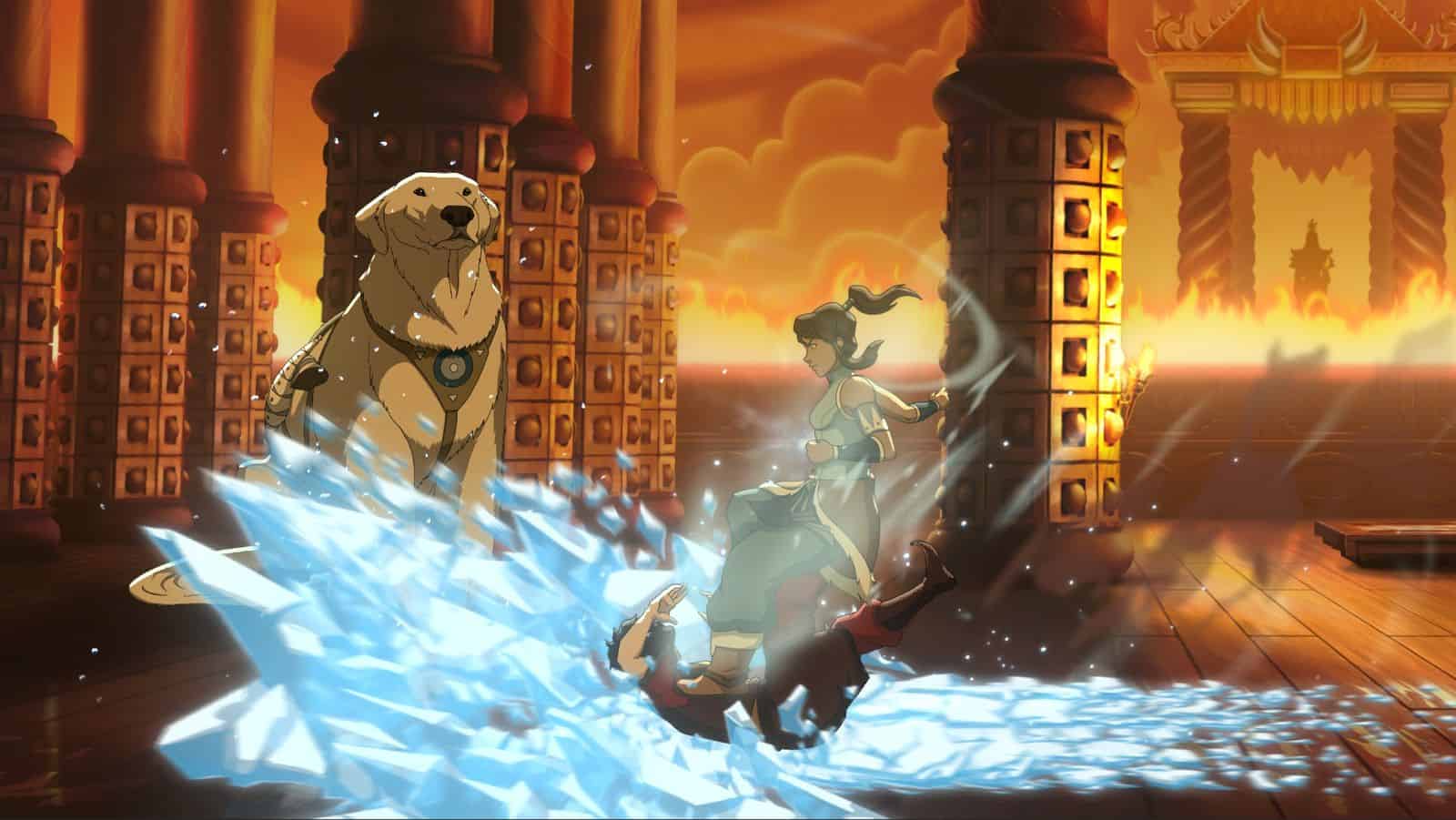
Seeing Avatar Legends fully commit to hand-drawn animation is impressive, especially because it closely matches the look and movement of the animated series. The hilarious losing poses never get old, and the game leans heavily into the franchise’s established lore. Water Tribe stances, recognizable bending techniques, and support-character shout-outs all help the game feel authentic to the world of Avatar.
Support Characters Change the Fight
Most of the elemental fighters have an impressive amount of range, giving the combat a more exaggerated, almost superhero-like feel instead of a completely grounded approach. Massive rockslides can engulf the screen during certain special moves, while other attacks can push characters across the stage and completely change the spacing of a match.
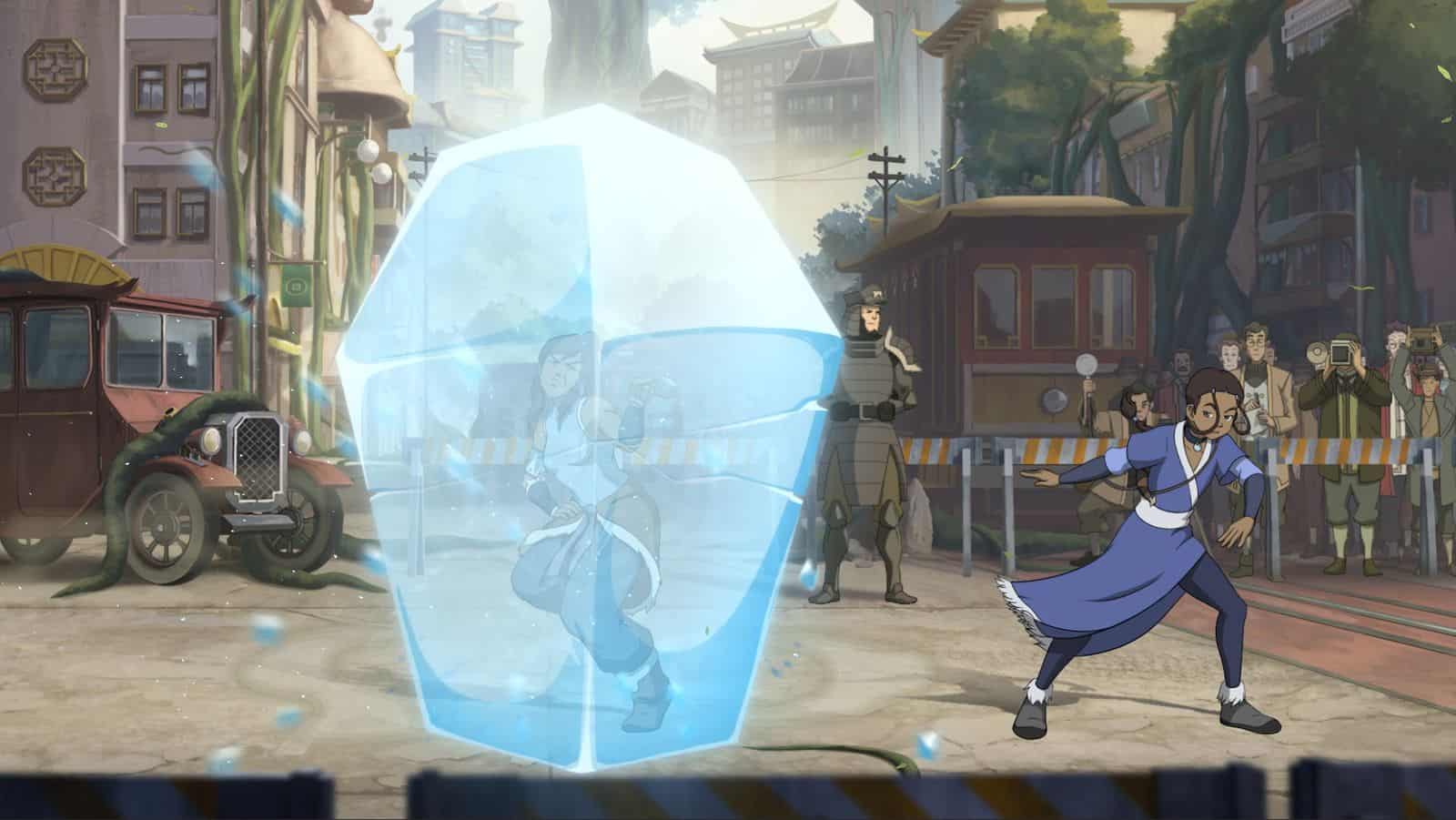
Instead of using a traditional tag-team system, Avatar Legends introduces support characters that modify how the main fighters operate. Choosing one of the available supports can provide buffs, apply debuffs, or change how certain moves and mechanics function, giving players additional ways to customize their tactics.
Choosing Ju Dee as a support allows Azula to remain in her Focused Mode instead of following her normal round-based transition. Zaheer’s support can also enhance his summons with EX properties. In that sense, the support system reminds me somewhat of the ISMs from Street Fighter Alpha 3, with each selection altering a character’s available tools or properties rather than simply functioning as a traditional assist.
Training and Online Play
The tutorial and character-specific lessons provide breakdowns of individual moves and motions, allowing players to slow down attacks and better understand their timing. Training Mode also provides access to hitbox and hurtbox displays, which should help players who want to dig deeper into matchups, spacing, and character-specific interactions.
Online matches also felt smooth during my time with the game, thanks to the inclusion of rollback netcode. Finding opponents and getting into fights was quick and easy, and I did not encounter any major connection problems that negatively affected the experience.
Avatar Legends Has Issues
There are still some burnt cabbages within Avatar Legends: The Fighting Game. Several of the problems involve questionable user-interface decisions, particularly during the tutorials. The game may display a move without clearly communicating that it is the next required action, and once the move is completed, it disappears instead of remaining on the screen as a reference.
The onboarding process is also less forgiving than it should be, with many of the game’s universal mechanics and movement options locked behind separate tutorial panels. Modern fighting games have shown that a more hands-on approach can make complicated systems easier to understand, but Avatar Legends sometimes presents information without giving players enough opportunities to apply it naturally.
Story Mode does its job, but it is not as robust as fans of the series may expect, as the 27 chapters go by fairly quickly. At the same time, the AI can be unforgiving, and there is no option to adjust the difficulty. There also is not much else to do within the mode once the story is completed. Even as someone who has mostly watched Avatar in passing, I would have liked to see more done with this part of the game.
The online lobbies also feel limited, since only two players can actively fight while everyone else is restricted to watching. Replay search and replay takeover are also missing from Avatar Legends, which is surprising for a fighting game that has been positioned toward the competitive community since its announcement in 2025.
Verdict
Avatar Legends: The Fighting Game does right by the franchise by taking its fighting system seriously. The core mechanics are deep, the hand-drawn presentation fits the source material, and the support system gives the starting roster more flexibility than its size might initially suggest. Once everything begins to click, its bending battles become fast, expressive, and genuinely fun.
The problem is that the game does not always make that depth easy to understand. Its tutorials, limited story content, restricted lobbies, and missing replay features make the overall package feel less complete than the combat deserves, and more casual Avatar fans may struggle with the complexity. Even so, Avatar Legends has created a solid foundation, even if some players may find its bending and bashing harder to master than expected.
If you enjoyed this review, explore more of our in-depth video game reviews across PlayStation 4, PlayStation 5, Xbox One, Xbox Series X, Nintendo Switch, Nintendo Switch 2, and PC.
Review Disclosure Statement: Avatar Legends The Fighting Game was provided to us by Amazon for review purposes. For more information on how we review video games and other media/technology, please review our Review Guideline/Scoring Policy.
Avatar Legends: The Fighting Game Review
Avatar Legends: The Fighting Game has done wonders for the franchise that created Aang. Its deep core mechanics intensify the presence with a good starting lineup to boot thanks to the Support system. While it stays the course of being a great fighting game in the making, a select few could possibly get lost in the gusts of complexity. It does get fun through the grind aspect. For what it’s worth, Avatar Legends has a solid start, but for core fans – this bending bashing might be a bit harder to take on.
Pros
- Nickelodeon gets its first proper fighting game
- complex but rewarding gameplay
- 12 Characters with 3 variances each, creating depth within the roster
- hand-drawn characters to resemble the show
- breakdown steps to help ease players into combos, specials, and character aspects
- rollback netcode makes fights quick to get into
- unlockable fighters via progression
Cons
- lobby system updates are post launch to support more than 1 fight at a time
- seemingly difficult learning curve for casual players
- not much single player content tied to the lore
