

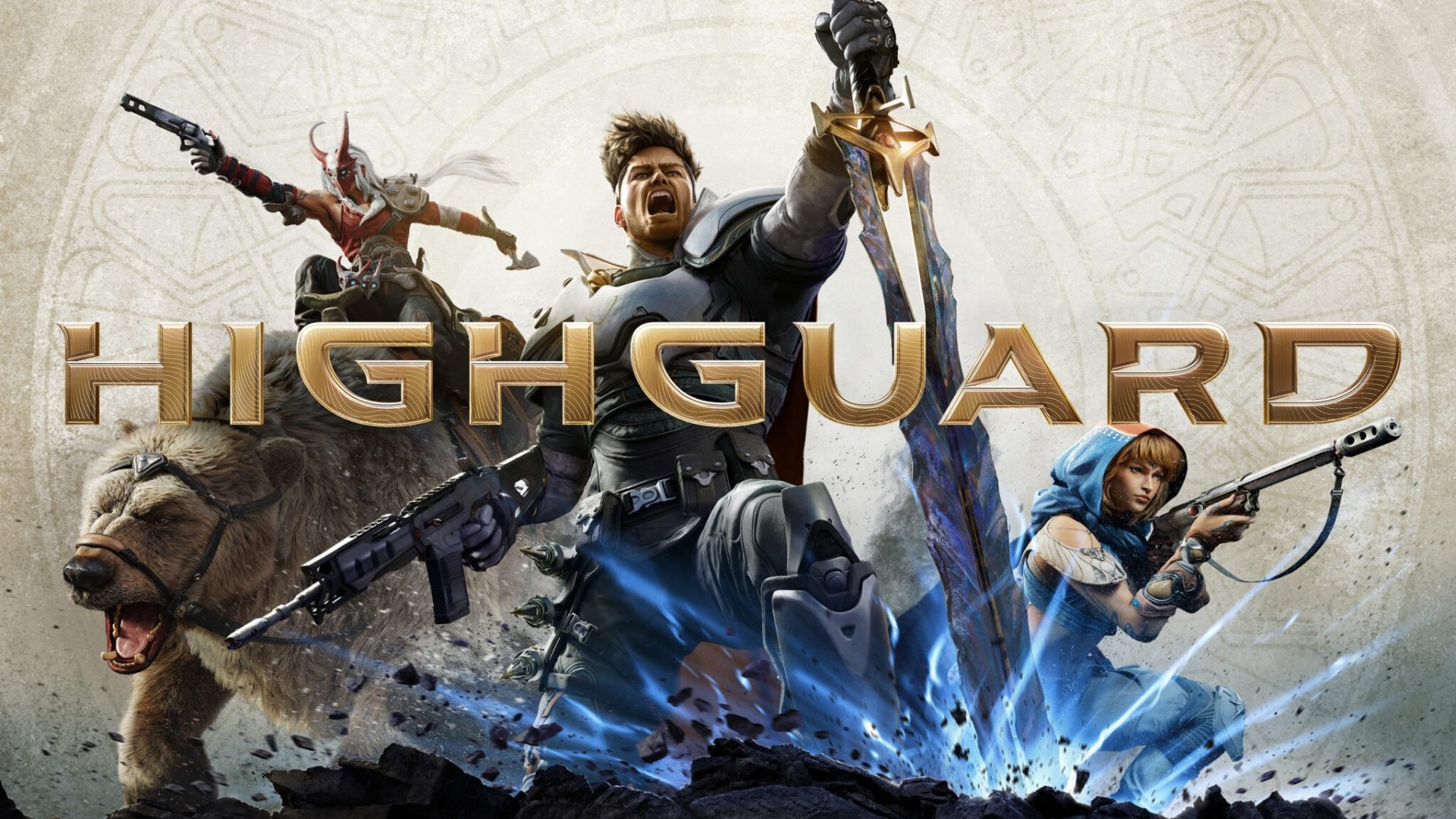
The gaming industry’s layoff cycle continues, and this time it has hit Wildlight Entertainment, the studio behind Highguard.
Just days after reports surfaced that Riot Games had reduced the team working on tag team fighter 2XKO, another studio is now facing similar turmoil. According to a post shared on LinkedIn by Alex Grander, multiple members of Wildlight Entertainment have been laid off following the release of Highguard.
Grander confirmed the news publicly, stating that he was laid off “along with most of the team.” That phrasing alone raises serious concerns about the scale of the cuts.
Unfortunately, along with most of the team at Wildlight, I was laid off today.
This one really stings as there was a lot of unreleased content I was really looking forward to that I and others designed for Highguard.
However, I’m excited for my next adventure. If your team or anyone you know needs an experienced Level Designer, hit me up!
Highguard had only recently launched. Reception to the game was mixed, but many of its issues were not beyond repair. In fact, Wildlight had already begun responding to player feedback. A newly implemented 5v5 mode helped address complaints about oversized maps and made matches feel more focused and engaging.
Despite those efforts, the layoffs have now cast uncertainty over the game’s future. It remains unclear whether Highguard will continue receiving updates, shift into maintenance mode, or eventually be taken offline. As of now, the studio has not publicly detailed the full extent of the layoffs or its long-term plans for the title.
What makes this particularly frustrating is that Wildlight appeared fully invested in building this new IP. The studio even released lore content expanding on Highguard’s world and characters, signaling long-term ambitions. Now, that future feels far less certain.
The situation highlights a troubling pattern in the industry. Studios spend years developing a project, launch into an increasingly volatile market, and face sweeping staff reductions shortly after release if expectations are not met. For developers, that means years of work can disappear overnight. For players, it raises legitimate concerns about long-term support for the games they invest in.
We will continue following this story and update as more information becomes available.
Sources: VGC, Game Informer
