

Puzzle games go beyond being a pastime for gamers. The experiences deliver a psychological reward once you have the cognitive breakthrough. While great for brain training, these gaming experiences also have entertainment value. Here’s an examination of this gameplay loop and the fascinating psychology behind it.
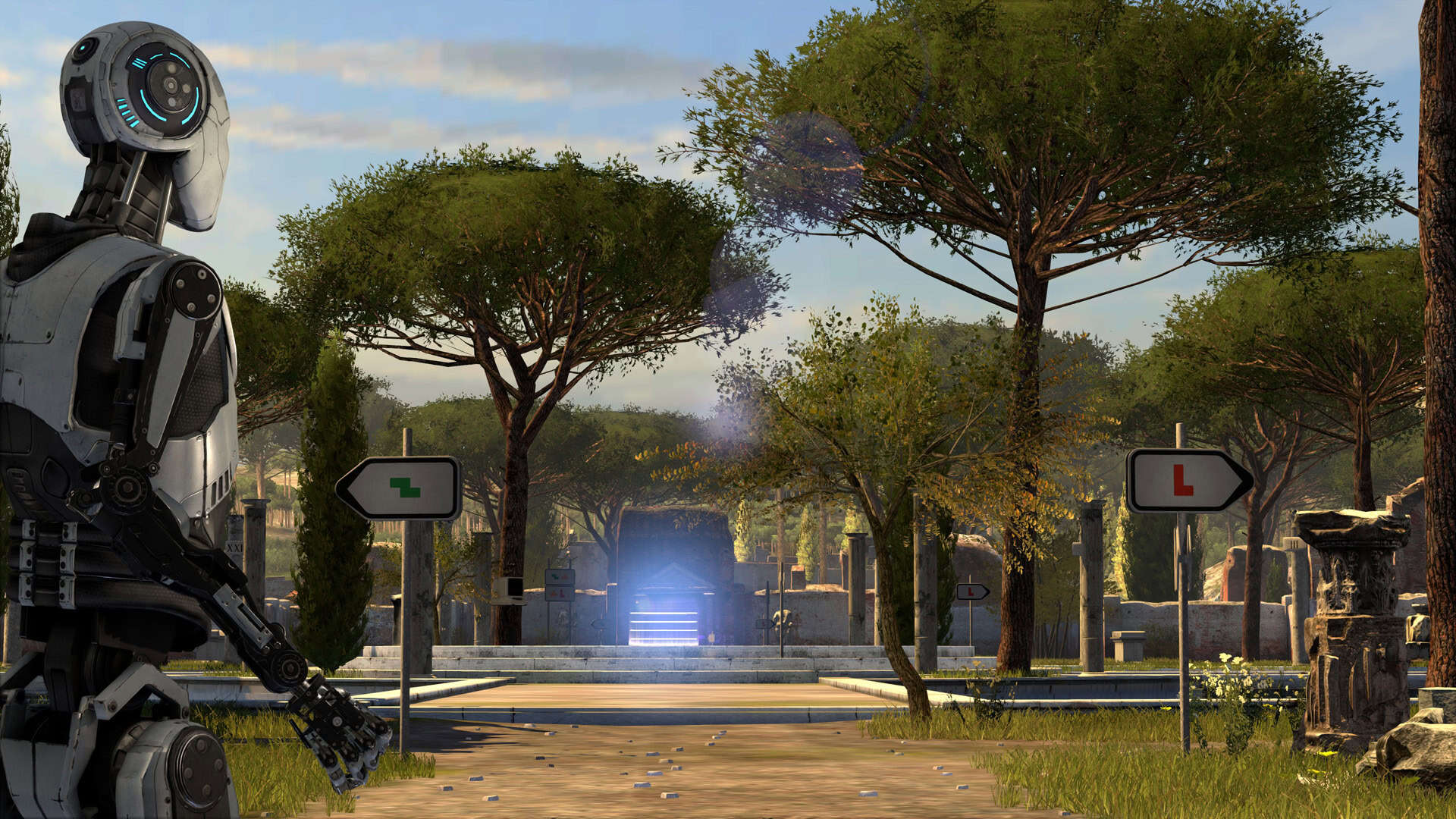
In the past, gamers enjoyed simple block puzzles like Tetris and Dr. Mario. Now, this gaming category has evolved with more complex themes, including philosophy and consciousness. For instance, The Talos Principle series lets you play as an AI in a simulated world. The game challenges your identity and purpose through complex puzzles and fragmented texts.
The best puzzle games include logical systems to reach higher goals. While some are complex, the difficulty is a lower priority than the cognitive practice it provides. The designer’s goal is to challenge your thinking and rewire your brain. With new perspectives, you can gain a deeper understanding of the game and view the world from a different angle.
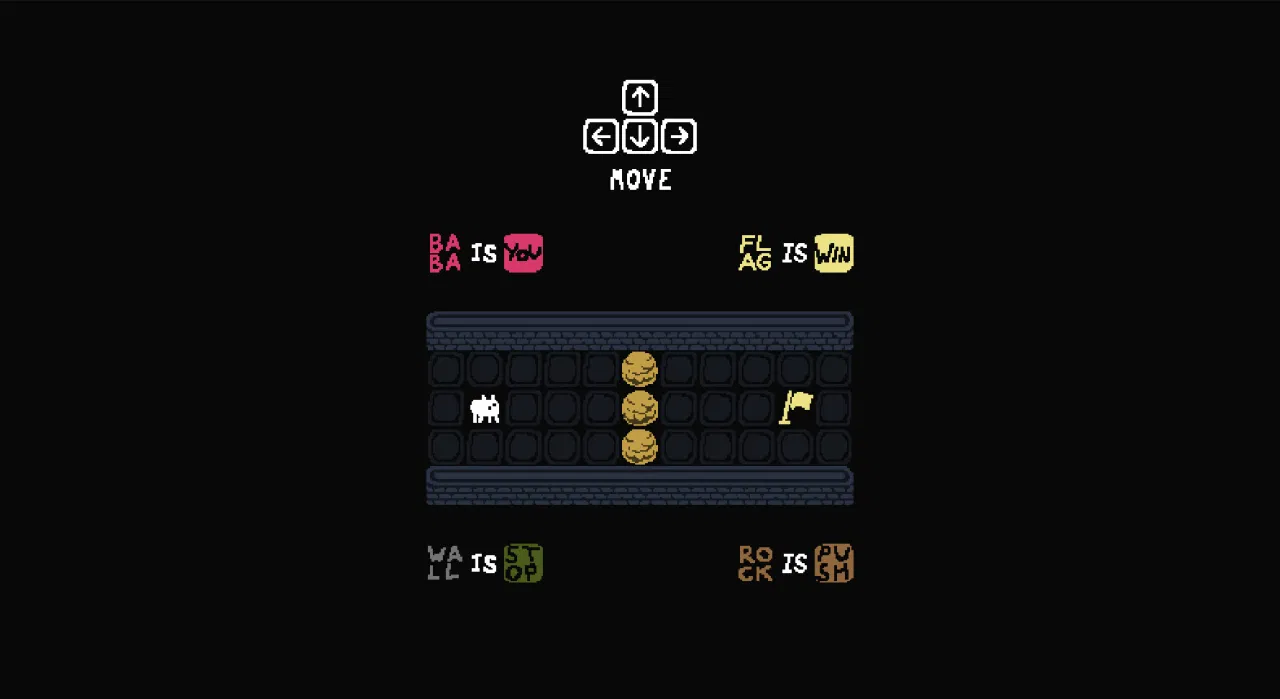
For instance, Baba Is You is famous because it turns rules into physical objects that can be manipulated. You get to rewrite the game’s logic by pushing blocks and forming new sentences. Solving a puzzle is the goal, but gamers solve it while interacting within a system. Developer Avri Taikari explains: “The theme gave me this idea of how the word ‘not’ works in certain situations like logic and programming, how you can take something, a concept, and invert its meaning.”
You might think puzzles are a small part of the campaign. However, game designers sometimes center the plot around the puzzle — by solving it, you can comprehend motivations and plot points. The Talos Principle frames its conundrums as tests from a supernatural being. Answering these questions is closely tied to free will and consciousness.
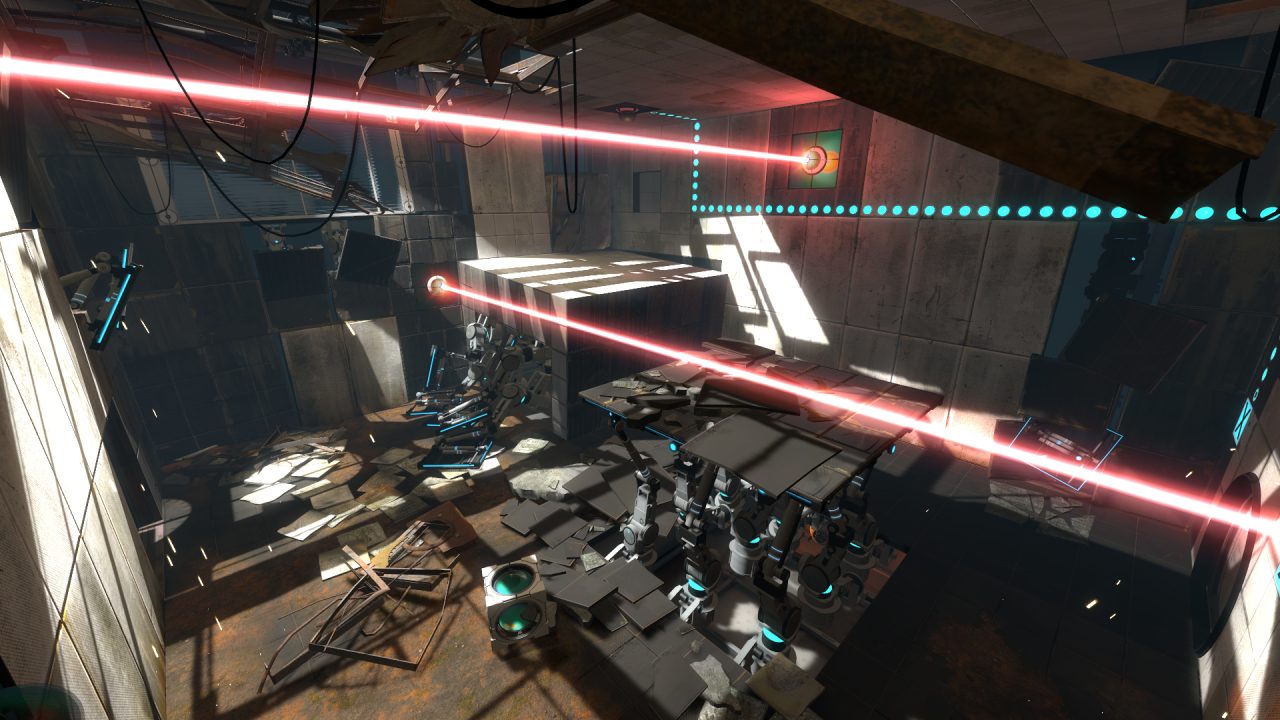
Similarly, the environment itself can be the puzzle. In Portal, you use a portal gun to manipulate surrounding spaces. Chamber walls enhance the game’s personal feel while making you map the trajectory. Players must navigate the game without tutorials, emphasizing a “show, don’t tell” approach. The game has proven that you can create compelling experiences with simple puzzle mechanics.
Sometimes, the puzzle designer is trying to speak to users through their language of logical reasoning. Therefore, it’s your objective to figure out what the developer is saying. Numerous schools of thought exist, so you must adhere to their type of thinking. Players can get a cognitive workout while playing on their PC or console.
For instance, The Witness provides bottom-up logic by making you observe patterns and take educated guesses about rules. You learn inductive reasoning by making inferences about underlying rules and testing the hypotheses. Players use their observations and understanding of the rules to learn the game without language or text.
The real curveball is when you have to work backwards and find the best explanation. In these puzzle games, the player starts with a solution and must find the most likely explanation. Return of the Obra Dinn exemplifies these mechanics by showing a corpse and the cause of death. Then, you must pick up clues as if you’re a detective.
Puzzle games are great for people of all ages, especially kids. Experts say children retain up to 75% more information when they’re engaged in the learning session. Each conundrum puts players in the driver’s seat by encouraging logical and deductive reasoning. You’re deconstructing problems into smaller parts, which is valuable in academics and the workplace.
Puzzle-focused video games are also beneficial to your health. A 2022 Razi Institute study said this content empowers the perceptual-cognitive system and suppresses stress-related systems. After playing games, the participants exhibited lower levels of salivary cortisol and alpha-amylase. The researchers recommended this practice for cognitive therapy approaches.
Modern puzzles are testaments to how far interactive entertainment has evolved. The gaming industry started with block puzzlers and has evolved to complex, sprawling mysteries. The developers want you to explore consciousness and use each session as a playground for your mind. Meanwhile, you hone your problem-solving skills and logical reasoning.
Source: National Library of Medicine
