

This is my yearly deep dive into PC gaming in 2025, covering what worked, what didn’t, and why the platform still matters.
PC gaming in 2025 is bigger than ever, but it is also more frustrating than it has been in years. Rising hardware costs, uneven optimization, and shifting platforms have made the experience feel conflicted, even as some of the year’s best games delivered incredible highs.
PC Gaming Continues to Shine
PC gaming continues to grow in 2025, and the reasons behind that momentum are becoming impossible to ignore. More players are turning to PC gaming due to frustration with the current console generation, dissatisfaction with performance compromises, or a desire for greater flexibility. Features like higher frame rates, ultrawide monitor support, modding, and backward compatibility continue to set PC gaming apart in ways consoles still struggle to match.
Longevity remains one of PC gaming’s biggest advantages. A well-built gaming PC does not become obsolete overnight, and players can upgrade individual components rather than replace an entire system. As hardware pricing fluctuates and console refresh cycles grow less predictable, PC gaming offers a sense of control that appeals to players looking for long-term value and ownership.
Another major factor driving PC gaming’s growth is how naturally it now fits into the living room. Connecting a gaming PC to a television has become easier than ever, allowing players to enjoy PC games from the same space traditionally reserved for consoles. PC gaming no longer requires a separate desk, office, or multi-monitor setup to feel comfortable or accessible.
Form factor has played a key role in this shift. Large gaming towers that clash with entertainment centers or dominate a room are no longer the default. Small form factor PCs and powerful mini PCs make it possible to place a capable gaming system directly into a TV stand without disrupting the look of a living room setup. For many players, especially those sharing space with a partner, this flexibility removes one of the last practical barriers to adopting PC gaming.
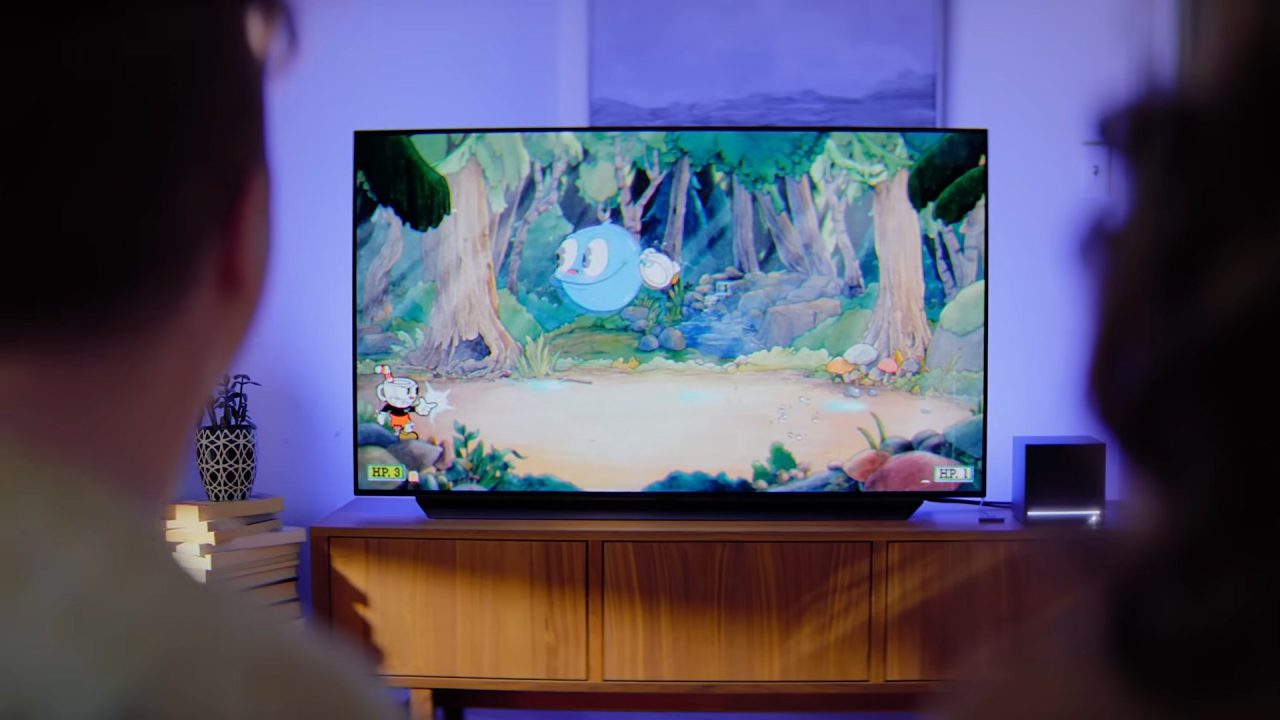
Valve also appears ready to capitalize on this evolution. With the unveiling of its new cube-like Steam Machine, designed specifically for living room use, Valve is once again exploring ways to bridge the gap between PC and console gaming. Slated for release in 2026, this new Steam Machine could further normalize PC gaming in shared spaces, and it may succeed where earlier attempts struggled.
Handheld Gaming PCs Are Everywhere
Handheld gaming PCs became impossible to ignore in 2025. What once felt like a niche experiment has turned into one of the fastest-growing segments of PC gaming. Devices like the Steam Deck, ROG Ally and Ally Xbox, MSI Claw 8 AI+, Lenovo Legion Go, and Legion Go S have transformed portable PC gaming from a curiosity into a legitimate way to play modern PC games, while also serving as excellent platforms for emulating older console titles.
These devices are no longer about novelty. Performance-per-watt gains now allow handheld gaming PCs to run demanding games at respectable settings, especially when paired with upscaling technologies like FSR and XeSS. Improved screens, controls, and thermals have helped handhelds become a natural complement to a primary gaming PC rather than a replacement.
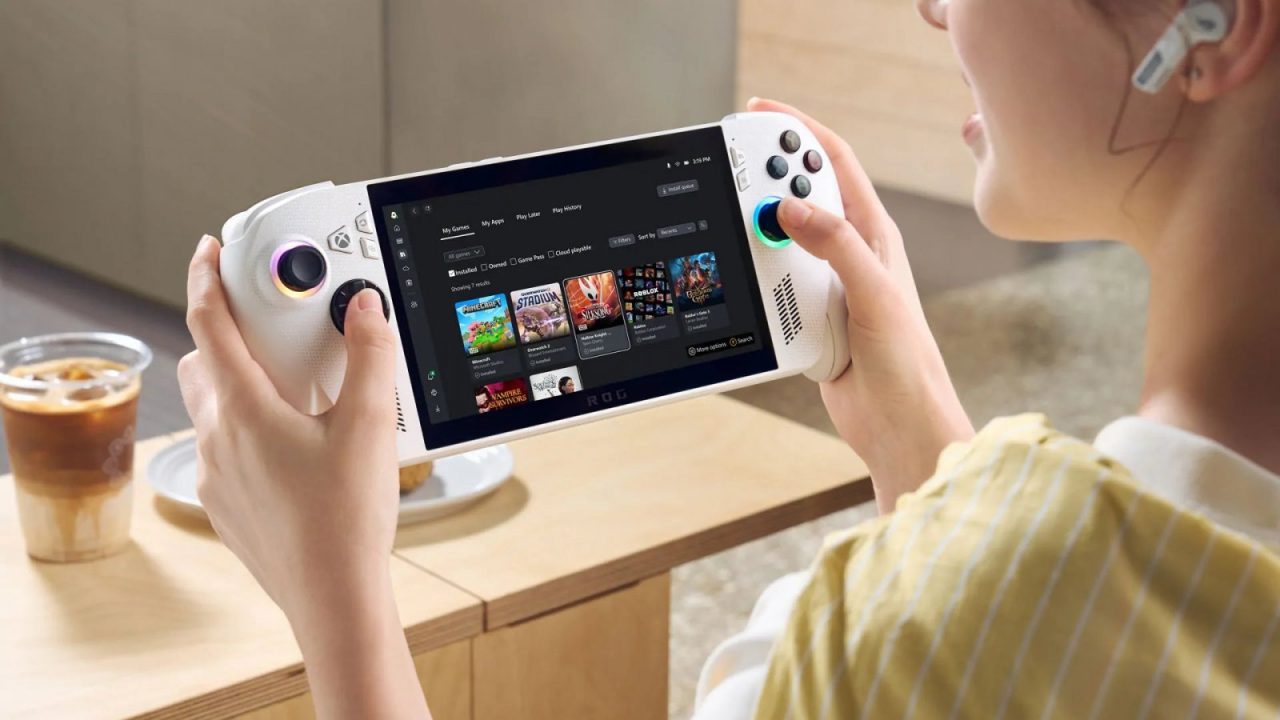
Handheld PCs are also influencing how developers approach PC performance. Games that scale well on lower-power hardware often perform better across desktops and laptops as well. While not every studio optimizes with handhelds in mind, their growing popularity is reshaping expectations around efficiency and scalability.
That said, handheld gaming PCs are not without compromises. Battery life remains inconsistent, Windows can still feel awkward on smaller screens, and pricing can approach that of a full desktop build. Even so, the momentum is undeniable. Portable PC gaming is no longer a trend. It is a permanent part of the PC gaming ecosystem.
Cloud Gaming Helped Keep PC Gaming Accessible
While hardware pricing and availability has been an issue for most of 2025, it’s nice to see that Cloud Gaming has matured and has stepped in to help those who are feeling the crunch financially or limited hardware-wise. That is where PC-focused cloud gaming stepped in.
Throughout 2025, services like GeForce NOW, Shadow, and Boosteroid quietly became one of the most important support systems for PC gaming. By shifting performance demands away from local machines and into the cloud, they allowed players with aging desktops, low-end laptops, and even handheld PC devices to continue playing modern PC games without falling behind.
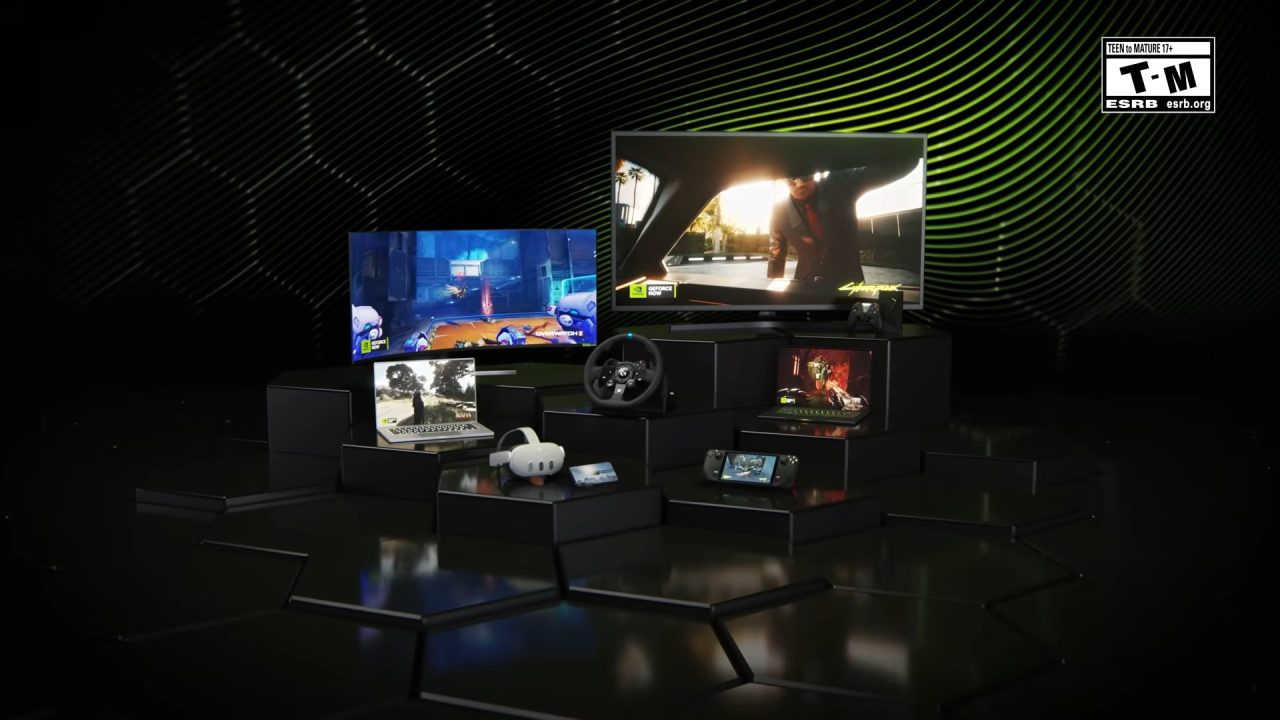
These services helped players avoid expensive GPU upgrades, stretched the life of older systems, and allowed gamers to continue to use their own existing libraries, not forcing them to repurchase those games for a propriety system. Instead of forcing users to re-buy hardware or abandon PC gaming altogether, cloud platforms offered a practical alternative. One that worked with the equipment people already had.
By lowering the cost of entry and reducing the pressure to constantly upgrade, GeForce NOW, Shadow, and Boosteroid helped ensure that PC gaming remained something people could participate in, not just admire from the sidelines.
The Windows vs. Linux Debate Is More Relevant Than Ever
The conversation around Windows versus Linux for PC gaming has grown louder in 2025, and not without reason. Microsoft continues to treat gaming as something Windows supports rather than something it actively prioritizes. Forced updates, inconsistent background behavior, bloated services, and UI changes that rarely benefit gamers have left many PC players frustrated with an operating system that often feels indifferent to their needs. Even the recently released Full Screen Experience that was developed for the ROG Xbox Ally devices has been met with frustration, as it clearly isn’t what fans of PC gaming had been looking forward to.
Linux, on the other hand, has made real, measurable progress. Valve’s ongoing investment in Proton and SteamOS has transformed Linux gaming from a technical curiosity into a viable alternative for a growing number of players. Thousands of Windows-only PC games now run reliably on Linux with little to no manual intervention, especially through Steam. For many players, particularly those using handheld gaming PCs, Linux-based systems already offer a smoother and more focused gaming experience.
What has changed most in 2025 is accessibility. Gaming-focused Linux distributions like Bazzite that emulate Steam and CachyOS, the performance focused Linux distro have removed much of the friction that once scared users away. These operating systems are designed around controller support, performance tuning, and fast access to games, not terminal commands and manual configuration. Linux gaming still requires some willingness to learn, but it no longer feels hostile or impractical.
This growing momentum puts Microsoft in an uncomfortable position. Windows still dominates PC gaming by sheer install base, but its lead increasingly feels like inertia rather than innovation. Linux is not replacing Windows anytime soon, but in 2025, it is forcing a necessary question. If Linux can offer a cleaner, more gaming-focused experience, Windows needs to do more than rely on familiarity to remain the default choice. And should Microsoft fail to realize this, we’ll see Linux being installed on more PC devices as the underdog OS continues to shine.
Indie Games Continue to Rival AA and AAA Titles
If there is one area where PC gaming consistently shines, it is in indie games. In 2025, smaller developers once again delivered some of the most engaging, creative, and technically sound experiences on the platform. While AAA releases often arrive burdened by massive budgets and long development cycles, indie games tend to launch with clearer vision and stronger focus.

The contrast with AAA development has become impossible to ignore. Big-budget games frequently chase live services, seasonal content, and monetization, often at the expense of stability and cohesion. Indie developers, meanwhile, focus on tight mechanics, distinct art styles, and complete experiences that respect players’ time. On PC, that difference in philosophy is especially clear.
That difference is reflected in the year’s standout releases. Hollow Knight: Silksong, finally released after years of anticipation, and Clair Obscur: Expedition 33, even if you are tired of hearing about it, showed how strong direction and confident design can leave a lasting impact. Titles such as Hades II, Animal Well, Dispatch, Ball x Pit, and Blue Prince further highlighted the variety coming out of the indie space.
Indie games are also a major reason handheld gaming PCs are making such a big impact. Many scale well, run smoothly on lower power hardware, and feel natural on smaller screens. They tend to be easier to pick up, perform well without aggressive upscaling, and suit portable play far better than many resource-heavy AA & AAA releases. Handheld PCs and indie games have become a natural pairing.
From a technical standpoint, indie games tend to be better optimized and more flexible across hardware. They often run well on modest systems, and handheld gaming PCs, thanks to Indie game developers catering to more reasonable hardware baselines, which benefits both the lower and higher end of hardware. That efficiency reflects priorities that value performance and stability over spectacle.
PC remains the ideal platform for indie development because of its openness. Early access, frequent updates, and direct communication allow indie studios to evolve their games alongside their communities. In 2025, PC players are not simply tolerating indie games alongside AAA releases. They are actively choosing them.
AMD Is Back in the GPU Conversation
AMD’s GPU journey has been uneven. Once dominant as ATI with the Radeon 9500 and 9600, the company lost momentum after NVIDIA’s GeForce 8 launch in 2006. Since then, NVIDIA has largely controlled GPU mindshare and market share.
However, as of 2025, though, AMD feels relevant again. It is not competing in the ultra-high-end GPU race, but it does not need to be. Instead, AMD has found its footing in the midrange and upper-midrange, where price-to-performance matters most. Its GPUs deliver strong rasterized performance at prices that are easier to justify, especially as GPU costs remain elevated.
Ray tracing is still a weak spot, but AMD’s upscaling tech has improved dramatically. FSR is no longer playing catch-up, and while it is not beating NVIDIA outright, it is competitive enough to matter, and in 2025, that strategy is paying off.
PC Gaming Is More Fragmented Than Ever
PC gaming’s greatest strength has always been its openness, but in 2025 that openness has also become one of its biggest sources of friction. The ecosystem is now split across indie and AAA pipelines, multiple storefronts, operating systems, and a growing divide between handheld and desktop experiences. What once felt like healthy choice now feels like fragmentation that both players and developers must navigate.
The divide between indie and AAA development is especially noticeable. Indie developers thrive in flexible environments, relying on early access, community feedback, and frequent updates. AAA publishers operate within tightly controlled pipelines that prioritize launch windows, monetization strategies, and platform-specific integrations. On PC, these approaches now coexist uneasily, leading to very different expectations for polish, performance, and post-launch support.
Storefront fragmentation only compounds the problem. Between Steam, Epic Games Store, Ubisoft Connect, EA App, Microsoft Store, GOG, and others, PC players juggle multiple libraries and launchers. Games often require third-party accounts even when purchased elsewhere, adding friction that feels unnecessary. Ownership still exists on PC, but accessing that ownership has become more convoluted.
Hardware diversity has pushed fragmentation even further. Developers are no longer targeting only desktop PCs. They are expected to support high-end rigs, budget systems, laptops, and an expanding range of handheld gaming PCs, each with different power limits and control schemes. Linux gaming has also gained momentum, adding another layer of compatibility concerns. Supporting this range is impressive, but it increases the likelihood of uneven experiences.
The result is a PC gaming landscape that offers unmatched flexibility, but demands more effort from everyone involved. Players troubleshoot, configure, and manage ecosystems, while developers balance wildly different targets. In 2025, PC gaming remains the most open platform, but it is also the most complex it has ever been. That complexity directly feeds into the problems that follow.
PC Game Optimization Is Still a Major Problem
Despite advances in hardware, rendering techniques, and upscaling technologies, PC game optimization remains one of the platform’s most persistent frustrations. Too many major releases in 2025 arrived with stutter, uneven frame pacing, shader compilation issues, or performance that felt unfinished. For PC players, post-launch fixes have become the expectation rather than the exception.
High-profile examples have made this impossible to ignore. The Elden Ring spin-off, Elden Ring: Nightreign, runs as poorly as the original game did at launch, repeating many of the same technical shortcomings. S.T.A.L.K.E.R. 2: Heart of Chornobyl struggled with stability and performance, while Final Fantasy VII Rebirth, The Last of Us Part II Remastered, and Rise of the Ronin all faced PC-specific performance problems.
Then there is Monster Hunter Wilds, one of my biggest disappointments of 2025. Since its release early in the year, the game has continued to run poorly across a wide range of systems, with post-launch updates doing little to address core problems. For a franchise of this size, its PC performance has been especially disappointing for players with capable hardware.
Upscaling technologies like DLSS, FSR, and XeSS remain valuable tools, but they are increasingly treated as requirements rather than enhancements. Players are often expected to rely on them just to reach acceptable frame rates, even on powerful GPUs. When native performance struggles, it exposes deeper issues with CPU usage, asset streaming, and engine efficiency. Yes, I’m talking about you, Unreal Engine!
The growing diversity of PC hardware only amplifies these problems. Supporting desktops, laptops, and handheld gaming PCs is challenging, but it does not excuse broken launches. In 2025, optimization is no longer a bonus. It is an expectation, and too many games still fail to meet it. On that note, why do developers keep putting in benchmarks when they aren’t indicative of what we’ll actually be playing? That needs to stop.
The Rising Cost of Entry Is 2025’s Biggest Frustration
If one issue defines PC gaming’s growing pains in 2025, it is cost. Not performance alone or fragmentation by itself, but the widening gap between what players are asked to spend and what they receive in return. PC gaming continues to demand higher investment while too often delivering inconsistent results.
The cost of entry continues to climb across nearly every component category. RAM prices are rising again, GPUs remain expensive at most tiers, and recommended system requirements continue to creep upward. Even the handheld PC gaming devices I mentioned are crazy expensive, with many coming in at the $1000 mark or above. While some midrange options remain viable, premium performance is increasingly out of reach for many players.
External pressures have only made things worse. Tariffs have increased manufacturing and import costs, and those increases are passed directly to consumers. At the same time, major manufacturers are shifting focus away from consumer hardware. Micron’s exit from the consumer RAM and SSD market in favor of data centers and AI infrastructure reduces competition and further strains supply.
Other players in the memory market, have stated that they are facing challenges, driven largely by, you guessed it, demand from data centers and servers. This pressure is affecting the entire memory spectrum, including DDR4, DDR5, DDR6, and even future DDR7, and there’s no sign of when this is going to end.
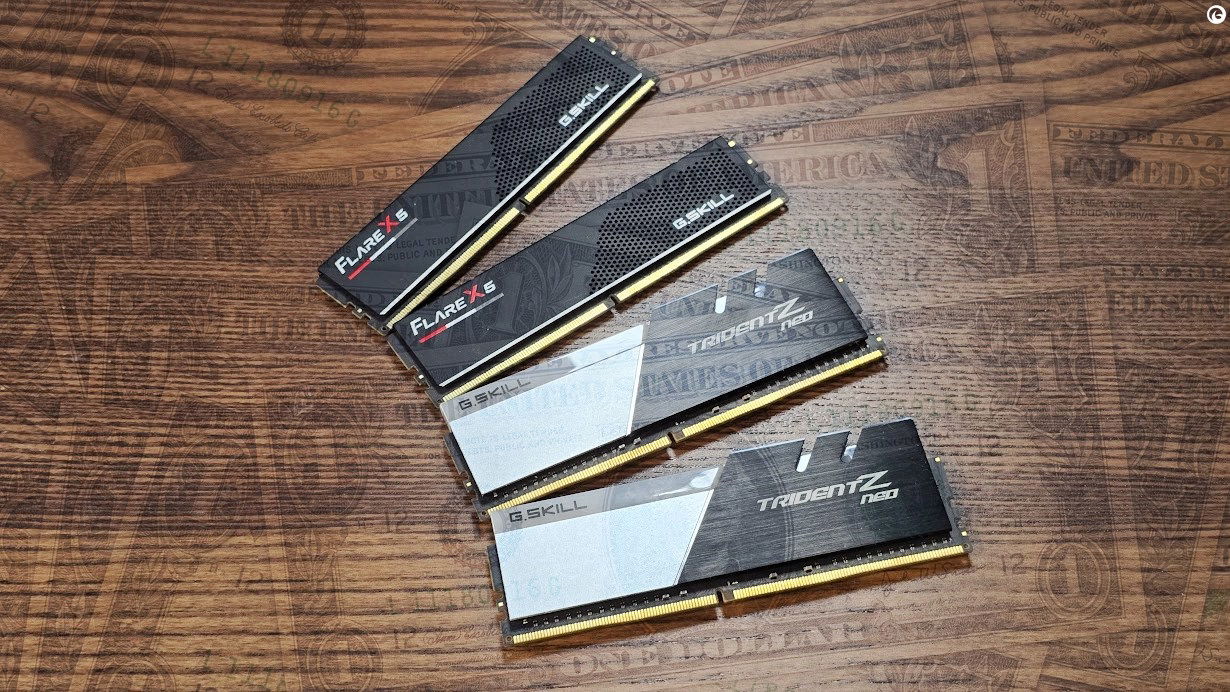
While Samsung’s decision to discontinue its SATA SSD lineup deepens that concern. While M.2 and NVMe storage dominate new systems, many players still rely on SATA drives due to older hardware or limited upgrade paths. Removing those options narrows accessibility at a time when PC gaming should be doing the opposite.
What makes this especially frustrating is that higher spending no longer guarantees a better experience. Players investing in expensive hardware still encounter stutter, poor optimization, and inconsistent performance. When costs rise without reliable improvement, it becomes harder to justify the investment. In 2025, the rising cost of entry has become the frustration that defines the year.
Wrapping It All Up
PC gaming in 2025 feels less like a finished story and more like a moment of reckoning. The platform is larger and more visible than ever, yet it struggles with issues that should have been solved years ago. Rising hardware costs, uneven performance, and rushed releases have created a growing gap between what PC gaming promises and what it often delivers. And still, people keep coming back, not out of habit, but because PC gaming remains the space where experimentation, choice, and new ways to play continue to take shape.
Looking ahead, the future of PC gaming will not be decided by teraflops or price tags, but by whether the industry can regain the trust of its players. Handheld PCs, alternative platforms, and smarter development practices point toward a quieter evolution rather than a dramatic shift. This is a conversation that will keep changing as new hardware, games, and priorities emerge, and PC gaming in 2025 may ultimately be remembered as the year where its growing pains finally became impossible to ignore.
