


If you are planning a PC upgrade anytime soon, you might want to sit down for this one. The cost of building or refreshing a gaming rig is about to jump, and no one in the gaming space is going to like why. RAM prices have already been creeping up throughout 2025 thanks to tariffs and supply issues, but things took a sharp turn when Micron, the company behind Crucial RAM and SSDs, announced it is leaving the consumer market in 2026.
When a company as big as Micron walks away, it sends shockwaves. Crucial RAM has been selling out, stores are raising prices, and analysts are warning that this is only the beginning. With fewer companies making memory for everyday users, the pressure is going to land squarely on PC gamers, console makers, and developers.
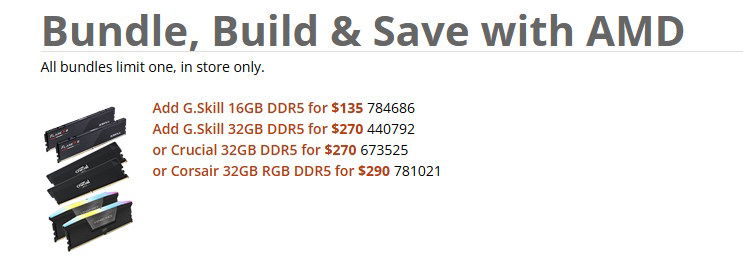
For years, we have had a fairly competitive RAM market thanks to brands like Micron, Samsung, SK Hynix, and a few smaller players. That competition kept consumer prices reasonable, even when manufacturing cycles fluctuated. At any point, you could hit up Amazon or stroll into your local Microcenter and grab a memory kit so cheap it felt like you were robbing them. Sometimes you even walked out with a bonus pair of RAM sticks just for buying a CPU and motherboard combo. Those were the days.
Now that Micron is shifting fully to enterprise and AI, the number of companies serving regular buyers is shrinking. And if other manufacturers follow that same high profit enterprise path, RAM prices could skyrocket way beyond anything we have seen in over a decade. By the way, Microcenter is now charging for those extra sticks of RAM in those combos, something of which I regularly took advantage of. Well, those days are gone for now.
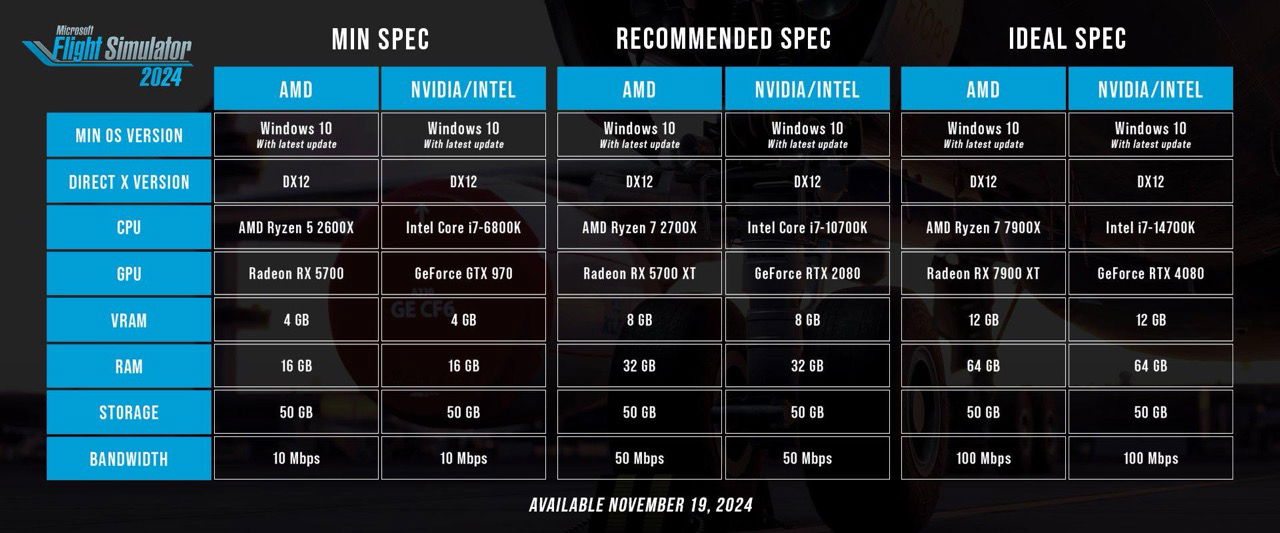
PC gamers, in particular, are caught at the worst possible moment. For several years, people have debated whether 16 GB of RAM is still sufficient for gaming. It used to be fine, but only just. Many enthusiasts and builders have been recommending 32 GB as the new baseline, especially for players who keep multiple apps open, stream, or run creative software. Developers are also pushing memory requirements upward. Flight Simulator 2024 recommends 32 GB and lists 64 GB as ideal, which tells you exactly where things are heading. I can’t wait to see the requirements for the next Witcher or even Cyberpunk title.
If RAM prices continue to surge, upgrading a PC becomes will become less of a routine improvement and more of a luxury purchase. New builders will face a higher cost of entry, and existing PC gamers will find it harder to maintain smooth performance as games continue to demand more system resources. Older builds that rely on 16 GB may struggle sooner than expected, not because their hardware is outdated, but simply because modern games want more memory than players have installed.
This shift also puts pressure on developers. As RAM becomes more expensive and potentially harder to source, studios may be forced to rethink how they design and optimize their games. Pushing higher system requirements can shrink the potential audience, while relying on lower memory pools can limit ambition and slow innovation. If developers do not adapt to these changing hardware realities, everything from performance expectations to sales potential could suffer.
A huge piece of this puzzle is the explosive growth of AI and virtualization. Speaking as someone who once worked at a company that operated multiple datacenters, I have seen firsthand how ridiculous the demand for memory really is. Datacenters burn through RAM like wildfire and depend on extremely fast SSDs to handle nonstop workloads. Enterprise clients buy memory in bulk and pay a premium that consumer markets simply cannot match. Manufacturers follow demand, and right now AI and cloud infrastructure are the most profitable areas in the entire hardware world. If this trend keeps growing, more companies may step away from consumer products entirely, leaving gamers with fewer choices and much higher prices.
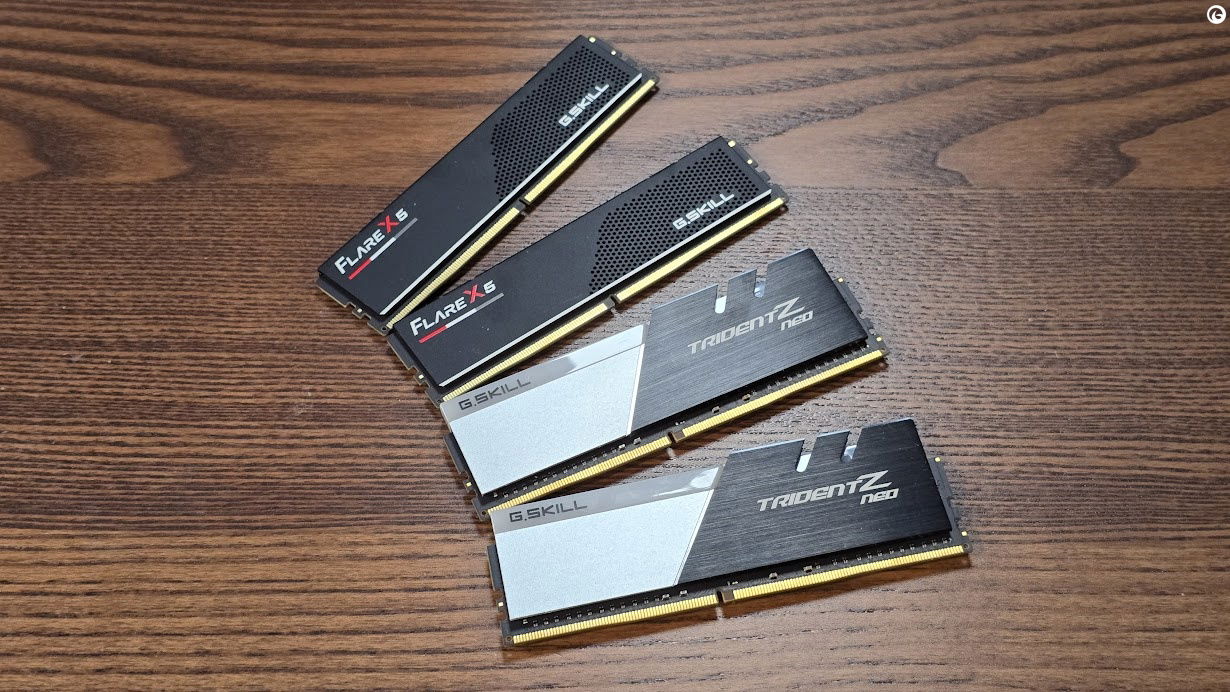
So, what should gamers do? Honestly, if you have been thinking about upgrading your PC, now is probably the time. Prices are creeping up and will likely continue through 2026. For new builds, 32 GB should be your baseline. And if you do video editing, 3D rendering, virtual machines, or anything that likes to chew through memory, 64 GB is worth considering. As more games push system requirements forward, keeping an eye on memory recommendations will matter more than ever.
The gaming industry has always adapted to hardware changes, but this shift in the RAM market is different. Micron’s exit is a warning shot. AI demand is exploding, manufacturers are consolidating, and staying current is about to get far more expensive. Developers, hardware makers, and gamers are all going to feel the ripple effects.

And to be completely honest, it is really going to suck if you are a PC gamer. My advice is simple: if you are planning to upgrade, run out and do it as soon as you can, or be prepared to stay content with what you already have. Things are about to get expensive.
