

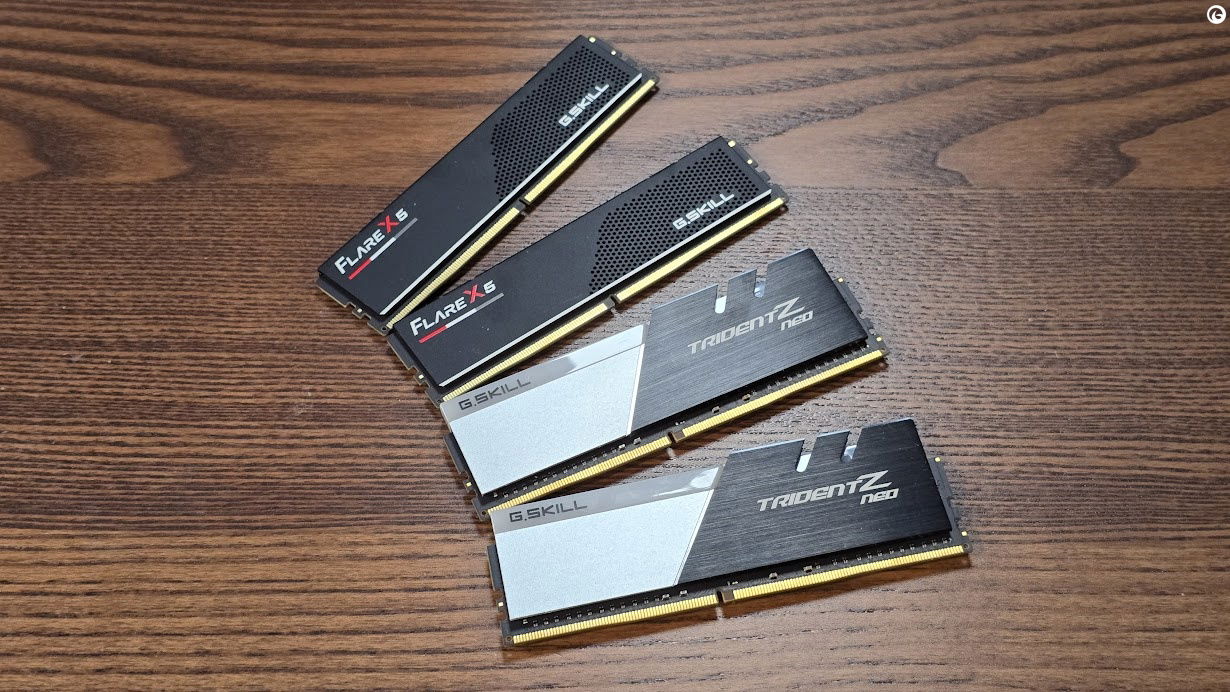
If there is one issue that plagued PC gaming throughout 2025 and is already spilling into 2026, it’s the rising cost of entry and upgrading. Newcomers face an increasingly expensive path into the platform, while long-time players are being asked to pay far more than ever just to keep their existing PCs relevant. Now, I know I’ve been harping about this for a while now, but I’m trying to get you to understand just how bad things have gotten.
We have sadly seen the price of PC hardware continue to climb across nearly every major category. RAM prices have surged again, with some kits seeing increases of $300 to $400 compared to previous years. I have personally visited several Best Buy locations and even Micro Center stores where RAM kits are being priced between $800 and $1,000, which feels borderline insane.
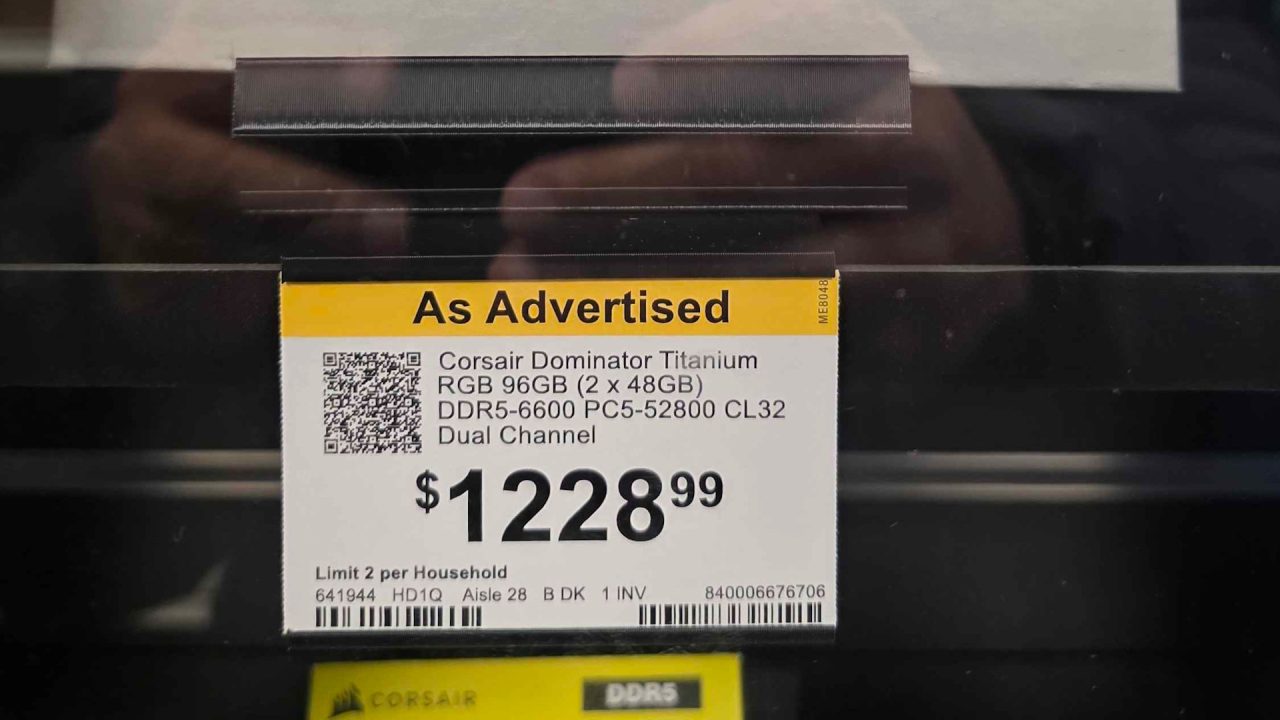
Take a look at the screenshot below, showing the Corsair Dominator Titanium 96GB RAM kit selling for nearly $1,250. Just a few months ago, this same kit was regularly priced between $700 and $900, and the store where I took this screenshot had it listed for around $800 prior to November 2025. That is roughly a $400 price increase. Who exactly is going to buy this at the current price? Well, outside of the truly thirsty PC enthusiast?
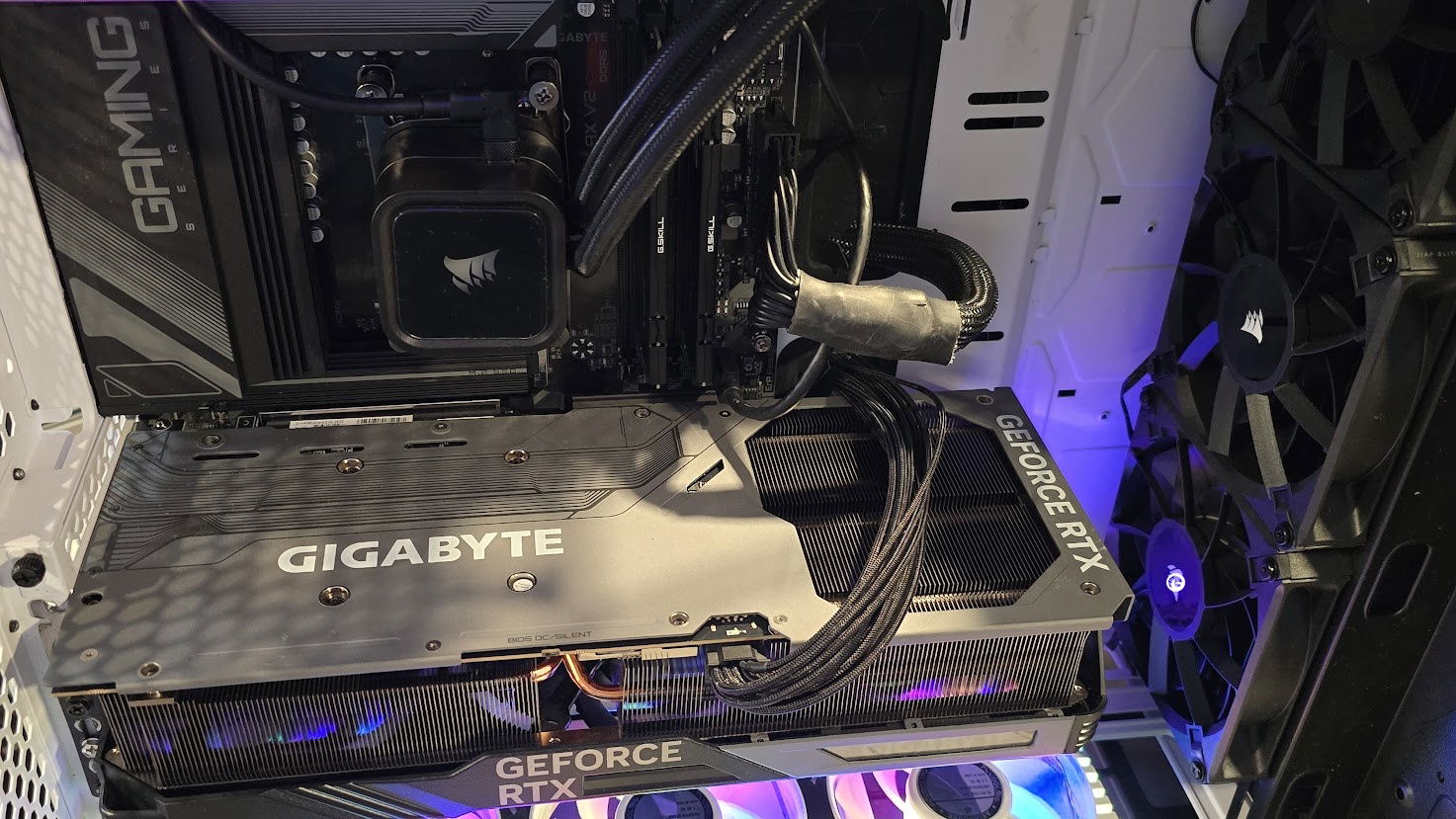
The situation becomes harder to justify at the top of the market. Nvidia’s RTX 5090 is already appearing at around $3,000 at multiple retailers, with reports suggesting it could eventually approach $5,000. And that is just Nvidia’s flagship GPU. There is no telling whether this pricing trend will trickle down to cards like the RTX 5080 or RTX 5070 Ti, or even further into the lineup. AMD is not immune either, as reports suggest it is also planning to raise GPU prices. Altogether, this only adds to the frustration, pushing PC gaming further out of reach for most players and sending a troubling message about where the market is headed.
Manufacturers are also signaling more increases ahead. Asus has reportedly warned partners of upcoming price hikes, though it remains unclear which products will be affected. Whether it is GPUs, laptops, handhelds like the ROG Ally / ROG Xbox Ally, or all of the above, any increase will further strain affordability. And who is to say other manufacturers will not follow suit? If companies like Lenovo or MSI were to do the same, the resulting impact could quickly turn into a much larger problem for the entire PC market.
External pressures are compounding the issue. Tariffs continue to raise manufacturing and import costs, and those increases are passed directly to consumers. At the same time, major memory manufacturers are shifting focus away from consumer hardware toward data centers and AI infrastructure. Reduced competition and tighter supply only push prices higher.
Storage options are shrinking as well. Samsung’s decision to discontinue its SATA SSD lineup removes affordable upgrade paths for players on older systems. While NVMe drives dominate modern builds, many users still rely on SATA drives due to hardware limitations, and losing those options makes upgrading even harder.

What makes all of this especially frustrating is that higher spending no longer guarantees a better experience. Even players with expensive hardware continue to deal with stutter, shader compilation issues, and poorly optimized releases. When costs rise but performance consistency does not, the value proposition of PC gaming starts to break down.
Coming into this mess, one of PC gaming’s greatest strengths was that there was something for everyone, from budget builders to high-end enthusiasts. That promise now feels increasingly hollow when entry-level upgrades demand premium prices and flagship hardware drifts into luxury territory. If the cost of simply keeping a PC relevant continues to rise faster than the quality of the games themselves, who exactly is this platform being built for anymore?
At this rate, more players will cling to aging hardware, skip upgrades altogether, and think twice before entering the PC gaming space at all.
