

When it comes to action RPGs, Koei Tecmo has firmly planted its flag in the genre. Over the years, the company has built a reputation for delivering demanding combat, deep character builds, and systems layered with mechanical nuance. These are not games that simply test your reflexes. They challenge your patience, your understanding of combat mechanics, and your willingness to adapt when a strategy stops working. Each release has pushed that formula further, adding new layers of complexity while staying true to the punishing, skill-driven design fans expect. Now, with Nioh 3, the studio returns to its flagship series to show just how far that formula has evolved.
Game Name: Nioh 3
Platform(s): PC (reviewed), PlayStation 5, Xbox Series X|S
Developer(s): Koei Tecmo
Publisher(s): Koei Tecmo
Release Date: February 6, 2026
Time to Compete: 60-ish hours, longer if you’re focusing on side quests
So, What’s Going On Exactly?
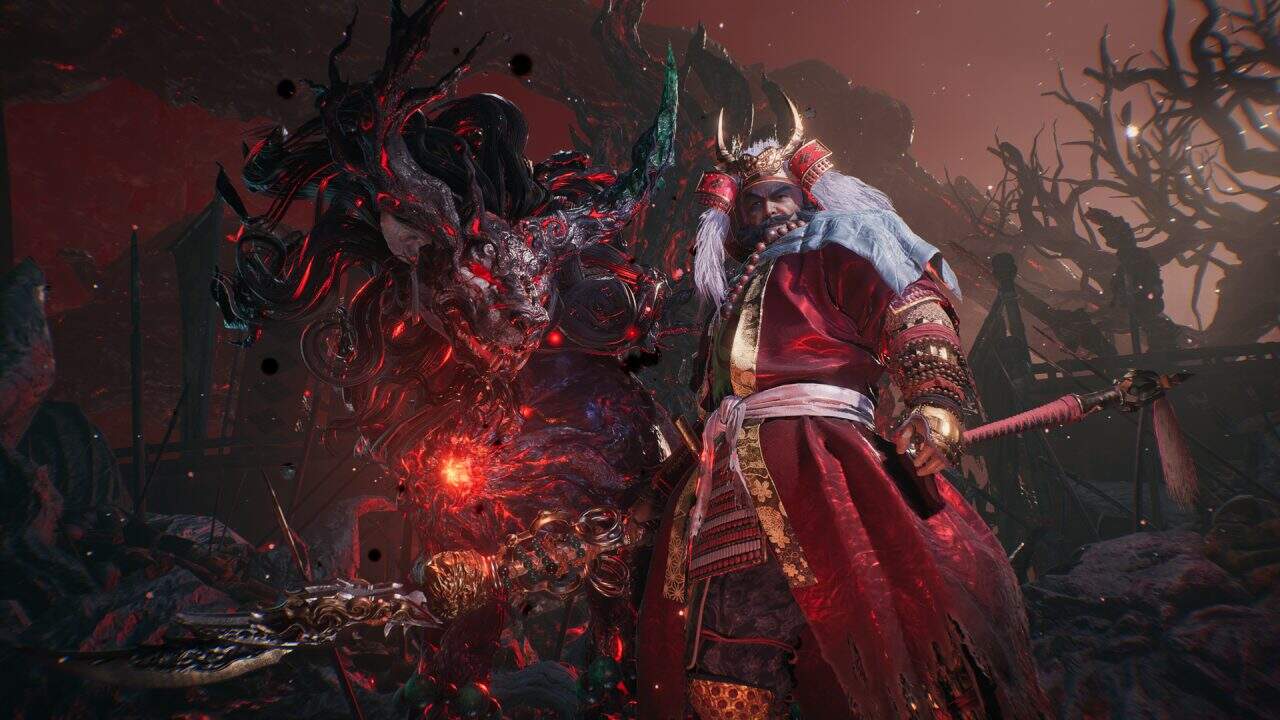
Alright, so we are back in the past with time travel. Yes, really. While Nioh 3 is primarily set in the Early Edo Period in 1622, Koei Tecmo throws a supernatural curveball into the mix. The story kicks off during a power struggle over who will become the next shogun, with two siblings at the center of the conflict. Things quickly spiral out of control, and that is where the time-bending chaos begins.
It is not the most grounded premise, and it does not try to be. Time travel in Nioh 3 feels less like a carefully structured plot device and more like an excuse to throw you into different historical flashpoints packed with Yokai, warlords, and nonstop combat. Do not expect perfect historical or narrative sense. Just roll with it and enjoy the ride.
Create Your Own Warrior
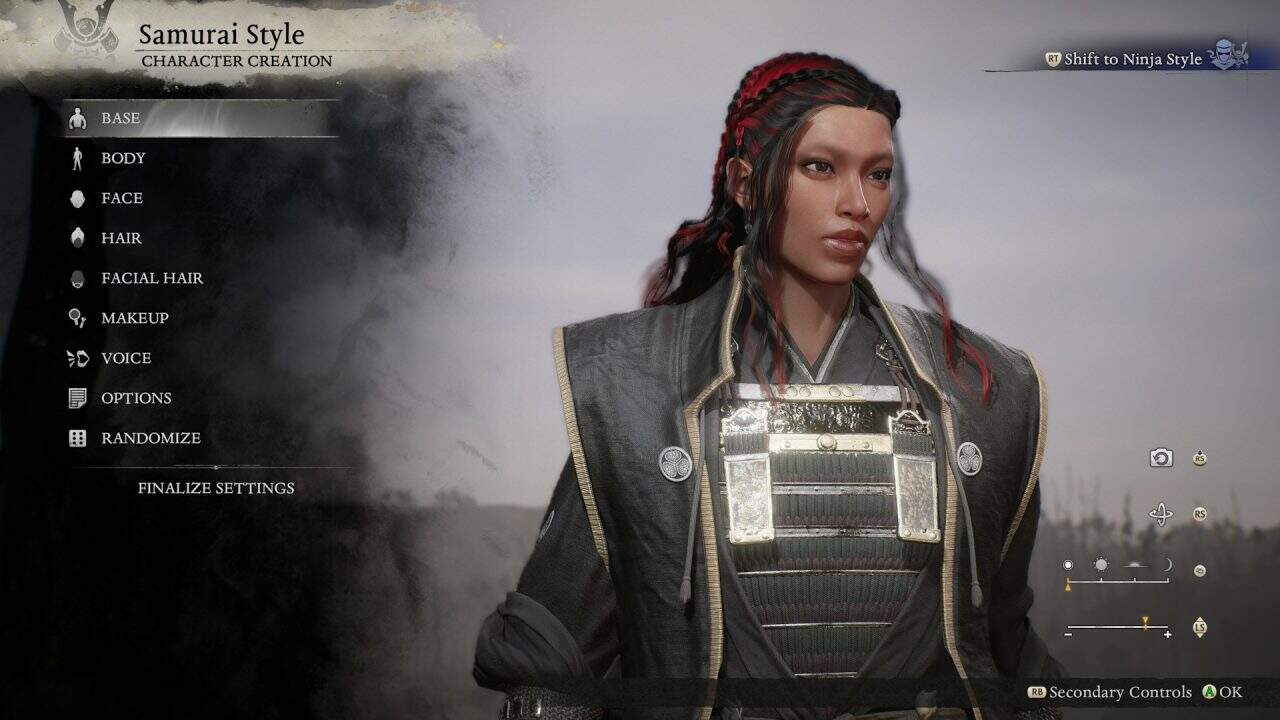
Nioh featured a set protagonist in William Adams, but Nioh 2 ditched that approach and introduced an excellent character creation suite, letting players design their own in-game avatar. Nioh 3 continues that trend and, just like in Nioh 2, the character creator here is impressive.
There are plenty of customization options, giving you the freedom to make a realistic version of yourself, recreate a favorite anime or movie character, or come up with something completely original. It does not affect gameplay directly, but it makes the journey feel more personal from the very beginning. Of course, this drives my wife crazy since I’m always calling her in so I can make a character based on her.
Go Samurai, Go Ninja, Go
Traditionally, Nioh had you playing as a samurai, letting you shape your build around different weapons, stats, and skill trees. This time, though, with ninjas back in the spotlight and with Koei Tecmo being one of the studios that helped popularize them through Ninja Gaiden, you can also step into the role of a ninja. Now that we have two styles to play with, it adds an interesting dynamic. The samurai is strong and can take more hits but is slower. The ninja is much faster and nimbler but is suspectable to taking more damage, at least early on that is. The ninja also leans into all the sneaky tools you would expect, including assassination attacks, Ninjitsu, and more.
The twist is that you do not have to pick one or the other. Instead, the game uses a dual-style system that lets you switch between samurai and ninja at the press of a button. Adding to this, certain enemy attacks can be countered by swapping styles at the right moment, giving the mechanic real gameplay value. Koei Tecmo did not add style switching just for variety. It is a core part of combat strategy.
It is also surprisingly fun just watching the two styles swap back and forth mid-combat.
Combat Depth and Build Variety
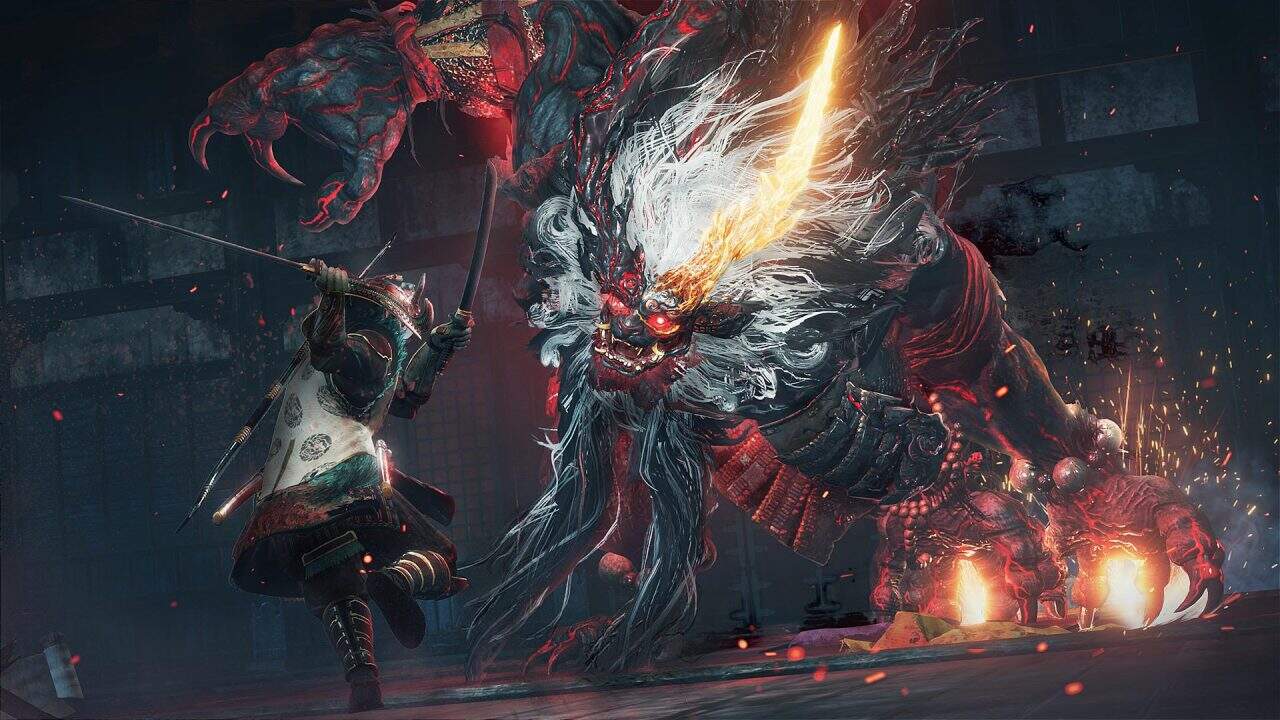
Combat in Nioh 3 builds directly on the foundation of the prior games, and that familiarity is one of its greatest strengths. The series has always been known for fast, technical combat that many consider the gold standard in the Soulslike space, and that legacy continues here, just more refined. Even before factoring in style swapping, the variety of weapons, gear bonuses, magic, and Yokai abilities allows for deeply customized builds. It can feel overwhelming at first, but that complexity is exactly where the depth comes from. Once it clicks, fights stop feeling like frantic survival and start feeling like a deliberate, deadly dance.
Part of what makes Nioh stand apart is how much its combat resembles a fighting game under the hood, which makes sense given Koei Tecmo’s history with the Dead or Alive franchise. Every weapon has its own spacing, tempo, and combo theory, and mastering them is less about button mashing and more about understanding timing, Ki management, and stance flow. Take the Odachi, a favorite of mine, which is known for its multiple stances for mobility and pressure. Using them all dramatically expands your damage options. Yes, that means more inputs and faster stance switching, which sounds exhausting on paper. In practice, it feels like learning a character in a fighting game. You do not need every move in the list, but having them gives you control, adaptability, and room for style.
On top of that core weapon play, Nioh 3 layers in returning and evolving systems that deepen combat even further. The new Living Artifact mechanic feels like a middle ground between Living Weapon from the first game and Yokai Shift from Nioh 2. As the Guardian Spirit gauge fills, you gain access to a high-damage transformation along with a faster, elemental guardian attack you can use more often. Soul Cores also return, letting you equip fragments of defeated Yokai to gain special abilities and passive bonuses that shape your build.
Between weapon choice, stance mastery, guardian spirit powers, and Yokai abilities, you are constantly thinking about synergy and adaptation. Few action RPGs offer this level of mechanical expression, and even fewer make the journey from confusion to mastery feel this rewarding.
Enemies, Yokai, and Boss Encounters
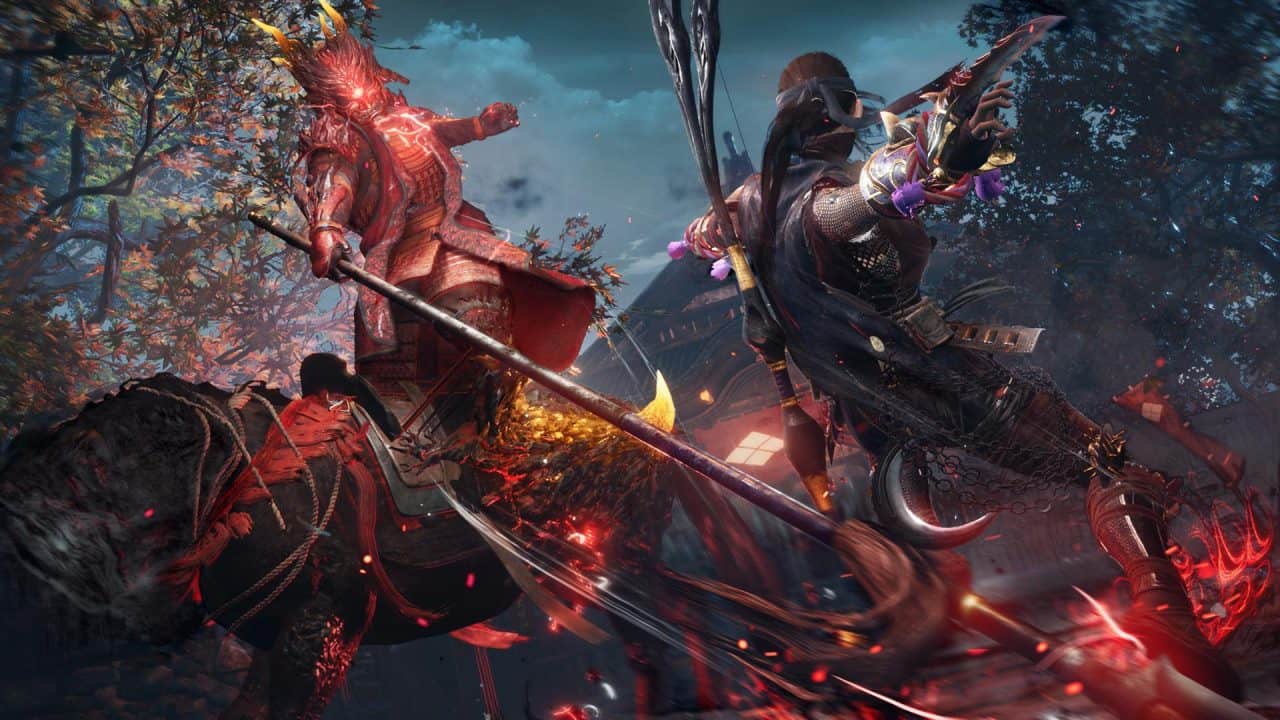
Nioh 3 does a great job mixing the familiar with the unexpected when it comes to enemies. There are brand-new Yokai that force you to learn fresh attack patterns, but longtime players will also recognize returning creatures and even a few familiar boss faces. Seeing some of those legacy encounters show up again genuinely made me do a double take the first time. The blend of old and new keeps fights from feeling predictable while still rewarding players who have experience with the series.
Human enemies continue to provide a different kind of pressure compared to Yokai. Duels against skilled warriors feel more technical and grounded, while Yokai battles lean into chaos and spectacle. That contrast gives combat a strong rhythm, shifting between careful swordplay and high-intensity supernatural clashes.
In terms of challenge, the overall difficulty curve feels slightly more welcoming than before, but not by much. Enemies will absolutely punish careless play, and wandering into areas you are underleveled or undergeared for is still a quick trip back to the shrine. Bosses demand patience and observation. Many will knock you down repeatedly until you learn their patterns and figure out what strategies or elemental weaknesses work best. Trying to overpower them rarely works, reinforcing that Nioh 3 is built around mastery, not brute force.
A Connected World Worth Exploring
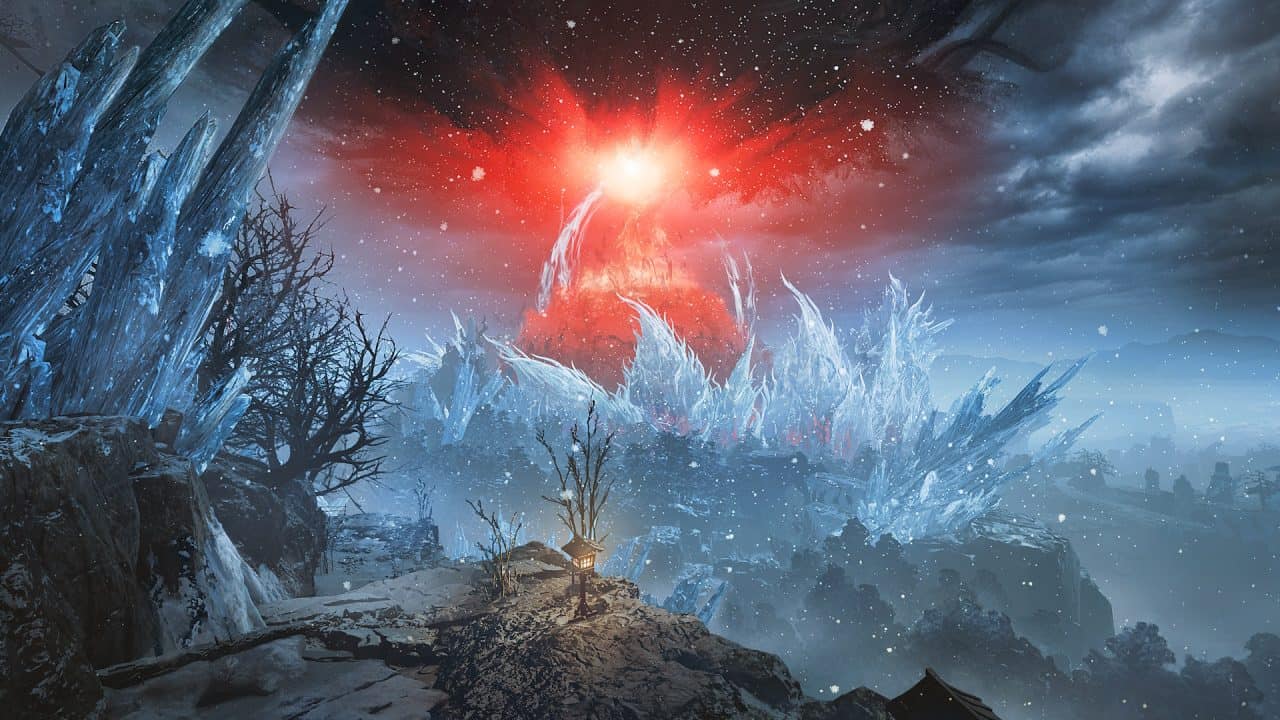
With Nioh 3, Team Ninja moves beyond the mission-based structure of the previous games and introduces a large, fully interconnected world. Earlier entries featured expansive and layered stages, but they were still self-contained missions selected from a map. This time, regions flow naturally into one another, creating a continuous landscape that rewards curiosity and careful traversal. Exploration is no longer just about loot or shortcuts. Venturing off the main path can lead to permanent character growth. Hidden shrines and secret encounters offer stat increases, combat bonuses, and system upgrades that directly impact your build.
The interconnected design also enhances combat in subtle ways. Enemy placements feel more organic, with patrols, ambush points, and environmental advantages that encourage scouting and strategic engagement. Players can retreat from overwhelming encounters, circle back through alternate routes, or unlock shortcuts that permanently reshape how areas are navigated. Rather than turning the experience into a sightseeing tour, the open structure deepens Nioh’s core identity by making the world itself part of character progression.
Co-Op and Multiplayer Options
This is where other developers need to take notes, because Team Ninja really nailed it. You can play the game as a straight single-player experience, but you can also jump into multiple co-op options and tackle content with friends. All multiplayer runs through Expedition Mode, but from there you have two choices: Story Mode and Mission Mode.
In Story Mode, you and one other player can progress through the campaign together. The best part is that once you clear a boss or finish an objective, you can keep going without getting kicked out. It feels like a true shared campaign. Mission Mode is more in and out by comparison. Once you complete the quest, the game sends you back to your own world, making it ideal for shorter co-op bursts.
The split exists for a good reason. Story Mode is perfect for a shared journey, but your progress is tied to another player’s availability. Mission Mode avoids that issue. You can clear specific quests together, then return to your own playthrough and continue at your own pace without story progression getting out of sync.
I started out playing solo, but once my friend jumped in during the review period, I barely went back. Part of it is that co-op is just that fun, and part of it is that I did not want him accusing me of cheating on him. The downside is once you start playing in Expedition Story Mode, you are basically married to that other player until you finish the game, which is not a bad thing for friends wanting a grand adventure together.
Finally, We Can Respec for Free
One thing I have never liked about action RPGs is how many hoops they make you jump through just to fix your own build. In previous Nioh games, respeccing meant tracking down specific, limited items to reset your stats or skill trees.
Thankfully, Nioh 3 drops that design entirely. You can now respec your stats whenever you want, without hunting for rare items or completing obscure requirements. That change makes experimentation far less stressful and encourages players to try new weapons, builds, and playstyles instead of being afraid to waste points. Nioh 3 treats respeccing as a tool for learning and experimentation, not a punishment for curiosity, and the game is better for it. And when you’re fighting a boss for the tenth time or want to find that face melting build, you’ll appreciate this.
PC Performance and Technical Experience
The last two Nioh PC ports were rough. The first game was poorly optimized, had control issues, and offered almost no PC-focused features. Nioh 2 was better but still launched with stuttering and performance hiccups. This time, Team Ninja has things mostly under control. The game runs far better than expected, but you are required to use some form of upscaling, whether that is Nvidia DLSS, AMD FSR, or Intel XeSS. Support for all three is great, but being forced to rely on them feels like another sign of modern development leaning too heavily on upscaling instead of raw hardware power.
The frame rate is capped to preset options of 30, 60, or 120 FPS rather than offering a fully unlocked setting. Cutscenes are limited to 30 or 60 FPS. Load times on PC are excellent, with fast restarts after death. During my playthrough, I did not encounter gameplay stuttering beyond the initial shader compilation. Performance remained smooth overall. I tested on both a high-end system and a more modest PC, lowering some settings on the weaker machine while still maintaining a stable experience.
My one technical complaint would be occasional visual jitter even when the frame rate counter stayed locked at 60 FPS, suggesting a minor frame pacing issue. Overall, this is one of the best PC ports Team Ninja has delivered in a long time and a clear improvement over Rise of the Ronin on PC.
I do have to point at that at several times when closing out the game, it would crash occasionally. It’s not a deal breaker, but it is annoying.
PC Specs Used: AMD Ryzen 7 9800X3D, Nvidia RTX 5090, 64GB DDR5 RAM
Final Verdict
Nioh 3 feels like the culmination of everything the series has been building toward. It is bigger, smarter, and more welcoming without losing the brutal, technical combat that defines it. If you have ever bounced off Nioh before, this is the best chance you will get to finally see what makes it special. And if you are already a fan, this is easily the most complete version of the formula yet.
Review Disclosure Statement: A copy of Nioh 3 was provided to us by Koei Tecmo for review purposes. For more information on how we review video games and other media/technology, please review our Review Guideline/Scoring Policy.
Affiliate Link Disclosure: One or more of the links above contain affiliate links, which means at no additional cost to you, we may receive a commission should you click through and purchase the item.
Nioh 3 is Koei Tecmo's finest attempt at an action rpg so far
Summary
Nioh 3 doesn’t reinvent the series, and it does not need to. Instead, Team Ninja refines nearly every system the franchise has built over the years and layers meaningful additions on top. The dual combat styles, interconnected world, improved co-op structure, and player-friendly respec system all feel like natural evolutions rather than gimmicks. But let’s be honest, the reason you’re here is the combat, and it does not disappoint.
Pros
- Glorious combat
- Definitely a better PC port compared to the prior two games
- Nice and long, it will take you some time to finish it
- Lots to do for the story and off the beaten path
Cons
- The story is a bit too long for its own good
- Hitboxes are a bit of an issue when it comes to specific enemy attacks
- Perhaps there is too much to do?
