

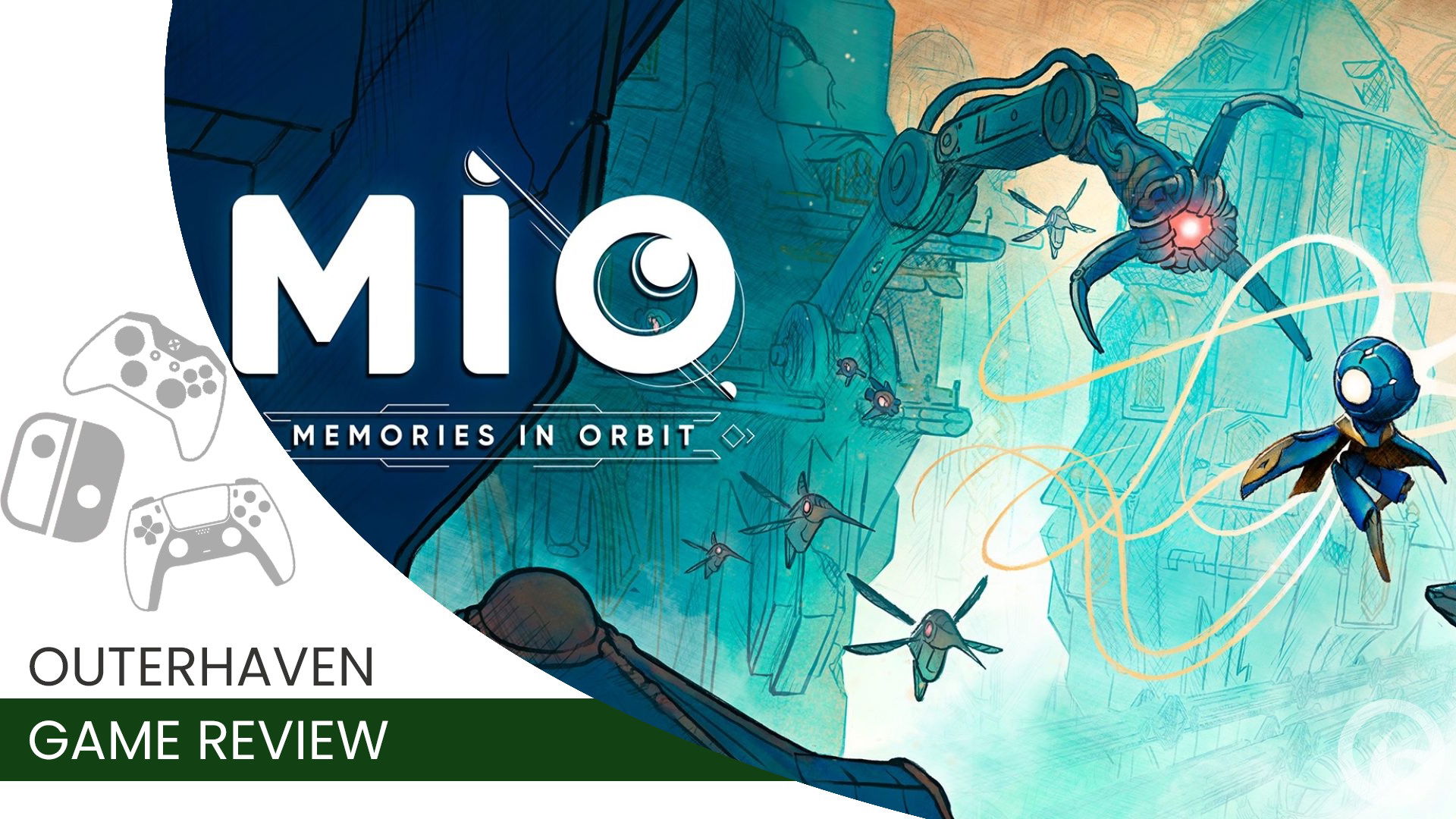
MIO: Memories in Orbit is the kind of Metroidvania that keeps pulling you forward, even when it’s already humbled you a dozen times. Between its eerie sci-fi mystery, gorgeous presentation, and satisfying sense of discovery, it delivers a journey that’s hard to put down. Ironically, this game wasn’t even on my radar, but the universe made sure to drop it into my hands and I haven’t been able to put the game down. Another amazing indie game, and right at the start of 2026? Yep, I’m sold and maybe you will be after checking out our review.
Game Name: MIO: Memories in Orbit
Platform(s): PC (reviewed), PS5, Xbox Series X|S, Switch, Switch 2
Developer(s): Douze Dixièmes
Publisher(s): Focus Entertainment
Release Date: January 20, 2026
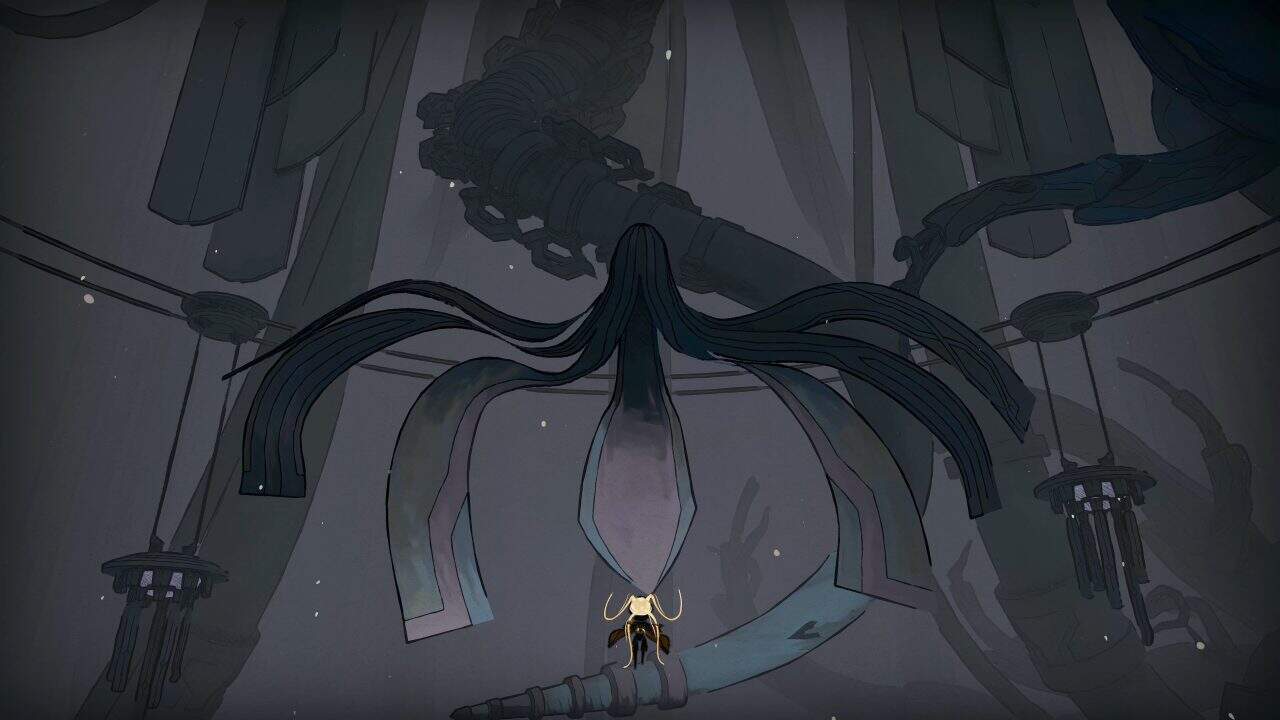
Lost floating in space is a massive ark carrying a wide assortment of robotic creatures, many of which have broken down long ago. That’s where you come in as Mio, a small but determined robot who is, at first, a reluctant hero. Still, it quickly becomes clear that this ship is dying, along with everything inside it, and Mio may be the only one left who can figure out why.
As you explore deeper into the ark, the mystery becomes more than failing machines and broken systems. Mio is also trying to uncover what happened to the travelers, the humans who boarded this ship in search of a new home, hoping to survive and rebuild somewhere else. It’s a gripping story with enough eerie moments and emotional weight to keep you pushing forward, and it carries themes that hit close to home once you start thinking about what might happen to us if we ever reach a point where Earth can no longer be saved.
A Metroidvania That Rewards Curiosity
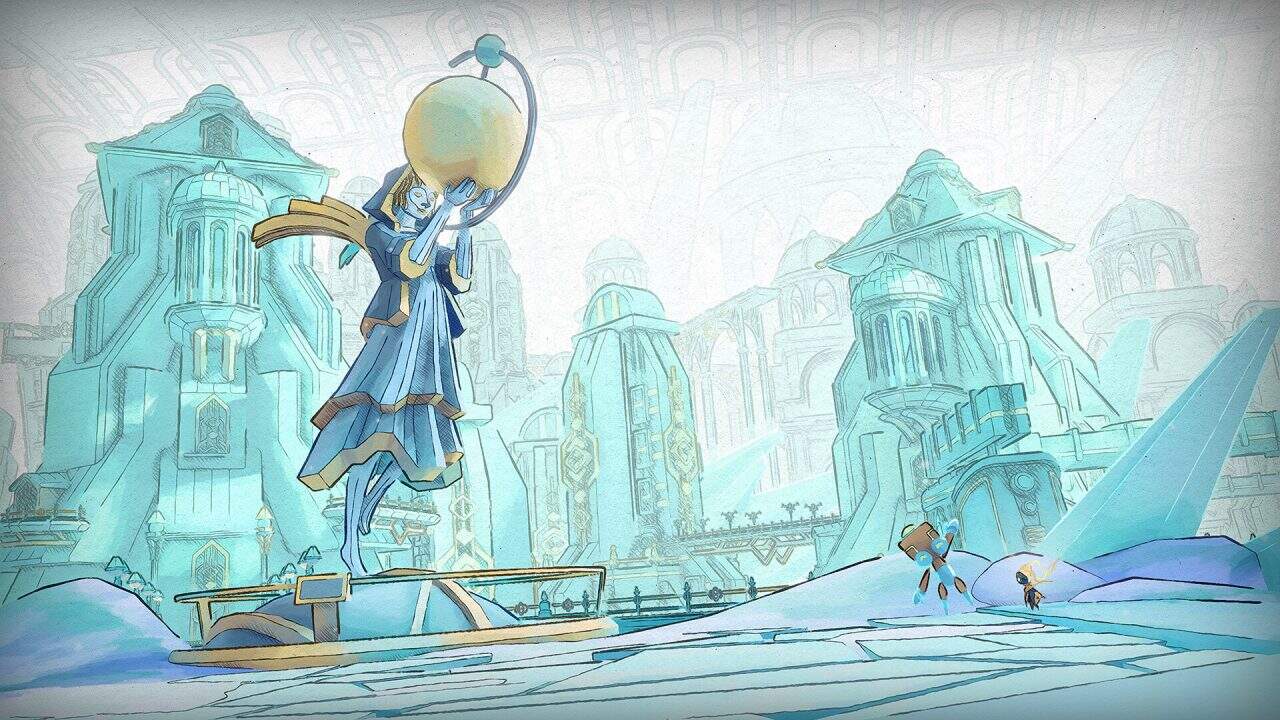
It’s a Metroidvania, and as such, you’ll spend most of the game tracking down items, piecing together the story, and taking on bosses, all the things you’d expect from this kind of game. That said, the way everything is assembled makes the game so incredibly enjoyable. It nails that familiar loop of stumbling into a secret area you never expected to find, then immediately getting humbled by a boss for the 30th time. Still, what Douze Dixièmes has put together makes the game free fresh and refined, no matter how many Metroidvania’s you’ve played.
Across my 40 hours with the game, I didn’t just follow the path laid out for me. I explored, often multiple times, backtracking through older areas after finding something new that might solve a puzzle elsewhere. Exploration plays a big part here, especially since some of the most important damage upgrades and power-ups are tucked away in hidden corners of the world. They are easy to miss if you rush, but absolutely worth finding. And yes, there’s a lot of backtracking, but it rarely feels like filler. More often than not, it feels like the game is rewarding your curiosity.
Combat also stands out because there’s no traditional leveling system. Instead, progression is tied to modules that directly influence how you play. Throughout the game, you’ll find modules scattered across the world, while others can be purchased using in-game currency. Either way, the choices you make shape your build in meaningful ways. Want to hit harder at the expense of survivability? Prefer survivability, but slow down your energy recharge? It’s completely up to you, and it keeps the combat from ever feeling stale. Of course, you’ll still find meaningful upgrades after taking down a boss, it is a Metroidvania after all, but it’s the meta before the fight that I found so meaningful.
My only real regret is that Mio is strictly melee. There were several moments where I wished she had some form of ranged option to balance out certain encounters. The game also ramps up the difficulty, especially in the middle and end, and while I didn’t mind, it may turn some players off from an otherwise excellent experience.
A Gorgeous World With a Perfect Soundscape
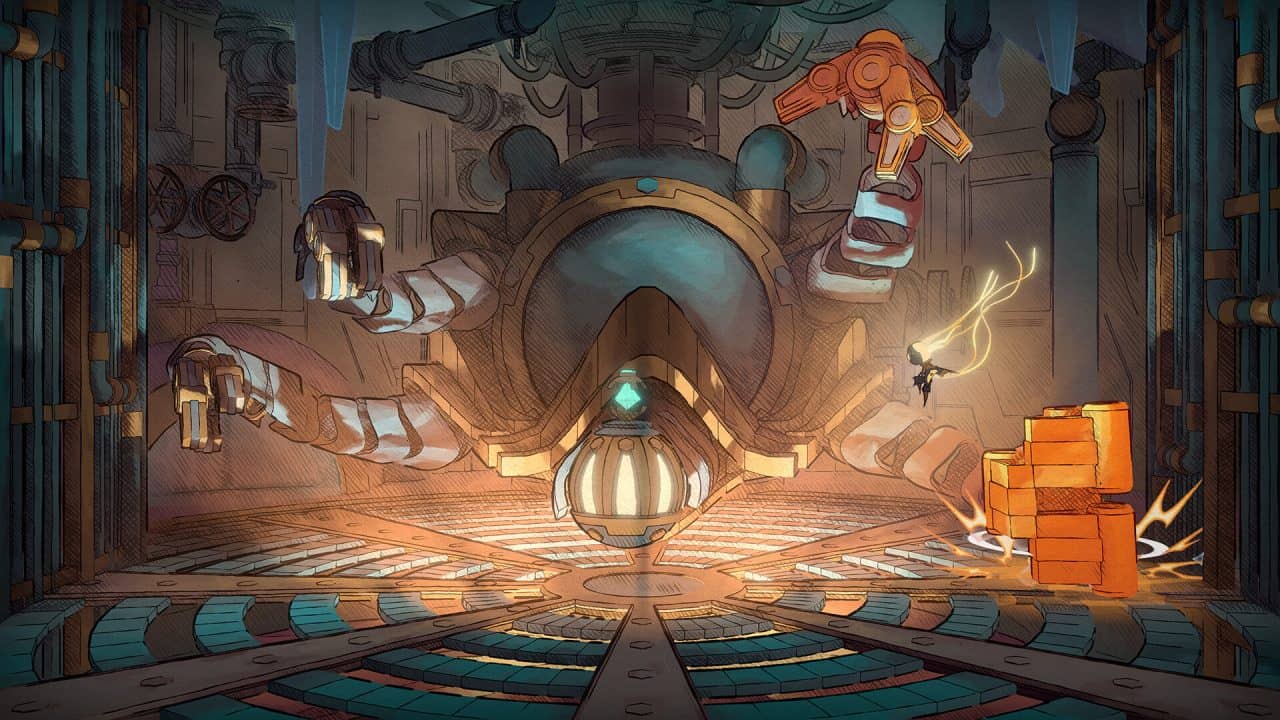
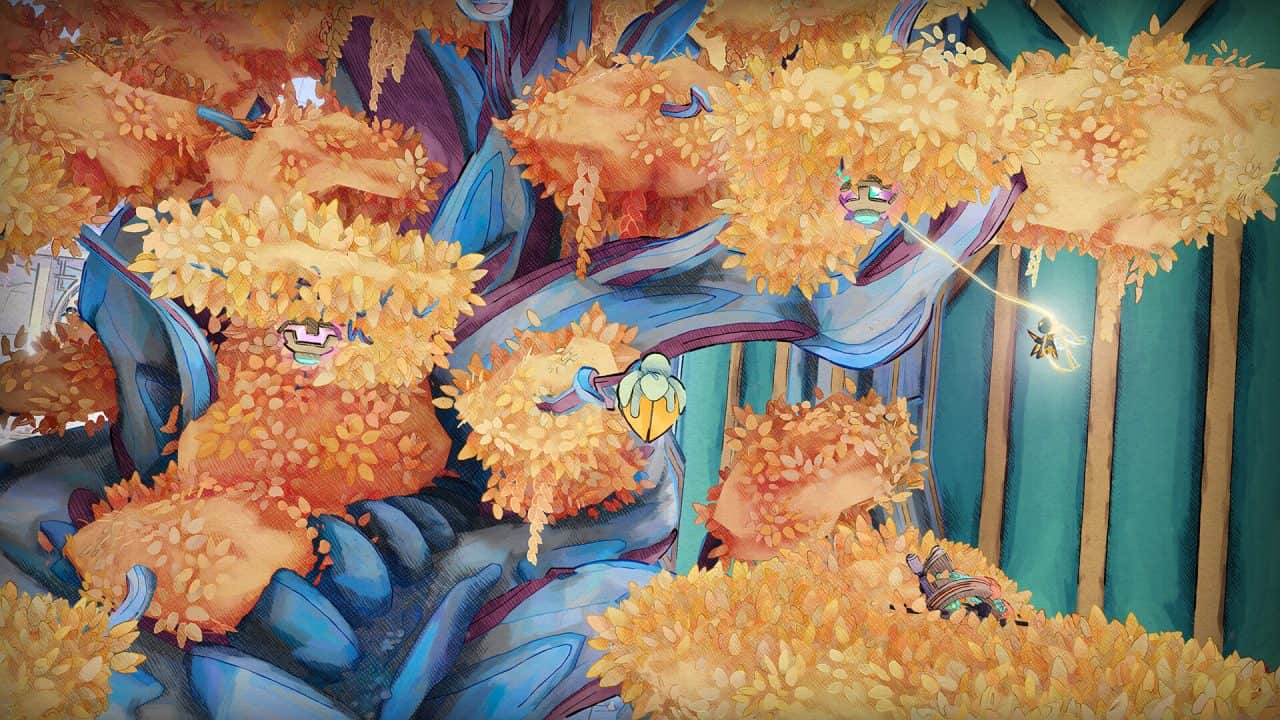
MIO: Memories in Orbit is one of the most visually striking games I’ve seen in a long time. Not because it’s pushing next generation tech with ray tracing and ultra-realistic detail, but because it dares to go in the opposite direction. In an era where high-fidelity visuals are the norm, it’s refreshing to see something more artistic and deliberate.
The game leans into gorgeous hand-drawn presentation, blending pastel tones and watercolor-like textures that make every scene feel alive. And it’s not just the art style doing the heavy lifting. The animation is phenomenal. Everything moves with purpose and personality, from the main character to the biomes, enemies, and bosses. There’s a consistent level of care in every frame, and it makes the entire experience feel polished and vibrant.
The sound design is just as impressive. Each area has its own distinct musical identity, and boss encounters are especially well done. Tracks begin with a menacing tone, then dynamically shift as the fight progresses, ramping up once you hit that halfway point. And it’s not limited to instrumentals either. There are vocals throughout, including one location where the eerie singing adds a perfect sense of unease, like something is seriously wrong in the best way possible.
This is easily one of the best soundtracks I’ve heard in a game so far, and yes, I’m including Clair Obscur: Expedition 33 in that comparison. Maybe I’m smitten, but if I am, there’s a damn good reason.
Houston, We Have A Problem
As much as I’ve enjoyed MIO: Memories in Orbit, the game does several things that chip away at that fun. Since it’s a Metroidvania, there’s naturally going to be a lot of backtracking, and I’m more than fine with that. The problem is that the game doesn’t always give you enough direction to make that backtracking feel productive. There are moments where you know you’re supposed to go somewhere or do something next, but there’s very little guidance. Maybe an NPC moves to a new location. Maybe the answer is hidden in an area you skipped earlier. Either way, it often turns into wandering without purpose, which leads to a lot of wasted time.
There are sections of the game that border on being far harder than they should be. I’m talking about the platforming gauntlets that demand near-perfect execution, using everything you’ve learned, plus a bit of luck because you’re going to need it. I’ve spent hours trying to push through some of these sequences, and more than once I was on the verge of throwing my controller across the room.
Control, which is super important in the game, does have issues at times. Not so much with using either the d-pad or analog stick, that’s fine, perfect even. One of your main abilities, the Hairpin, at times feels 50/50. At times it does exactly what it needs to do, other times it seems like it decided to take a break. That’s either during boss fights, traversing the world or just messing around. It really needs to be addressed, because at times I just gave up on using it, even though I really needed it.
Then there’s the lack of accessibility options, which I firmly believe every modern game should include. While MIO: Memories in Orbit offers a few options, they won’t be enough for players who are not as skilled, or for those with physical limitations involving dexterity that could make certain sections far more difficult than they need to be. I’m not asking for something as extreme as invincibility, but even basic options like slowing down the game slightly, increasing timing windows, or extending how long your energy lasts before it decays would go a long way. This is one of those areas I really hope the developer revisits.
Lastly, and this one is tied to the story, there are events that remove your health from your health bar. Health that you painstakingly found throughout the world or paid for using in-game currency. I don’t think tying something like this to a story event is fair to players, especially if they didn’t find or purchase that extra health. It ends up feeling like artificial difficulty that could push players away from the game entirely. Imagine leveling up a character in another game, putting in hours of work, only for the developers to tie a story event to something that strips away those upgrades. You wouldn’t be happy, and neither was I. This really needs to be addressed.
Our Verdict: Damned Good, Even With Flaws
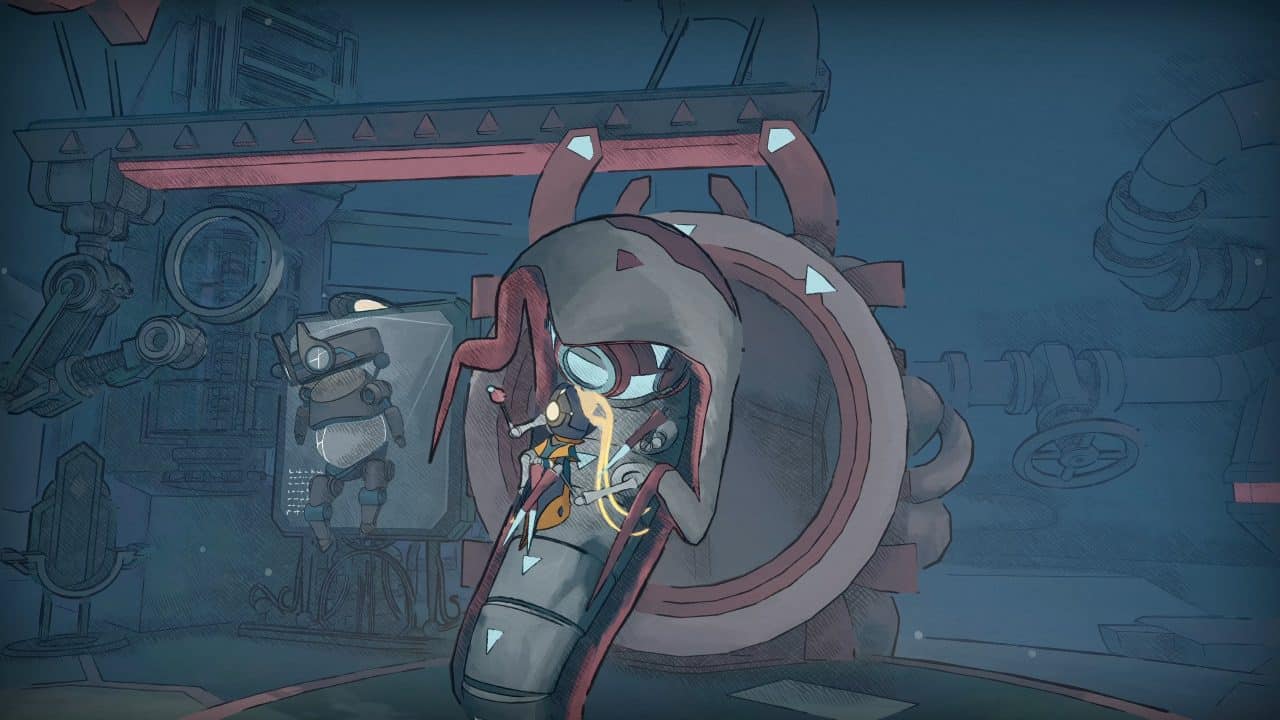
This is one of those games that reminds you why Metroidvanias are still special. The exploration feels rewarding, the module system keeps combat interesting without relying on a boring leveling grind, and the presentation is on another level. Between the hand-drawn visuals and that incredible soundtrack, this game nails atmosphere in a way most titles can only dream of.
But I’m not going to pretend it’s flawless.
The lack of consistent direction can turn backtracking into aimless wandering, the platforming gauntlets are borderline unreasonable at times, and the accessibility options just are not where they should be for a modern release. And the biggest offender is the story-related health removal, which feels less like meaningful storytelling and more like the game reaching into your progress and pulling it away just to make things harder. That kind of design choice is frustrating, and it can easily push players away.
Still, when MIO: Memories in Orbit is firing on all cylinders, it’s genuinely special. If you’re a Metroidvania fan who can handle a challenge and doesn’t mind a few rough edges, this is absolutely worth your time. Just know going in that it’s a brilliant experience that occasionally gets in its own way.
Review Disclosure Statement: A copy of MIO: Memories in Orbit was provided to us by Focus Entertainment for review purposes. For more information on how we review video games and other media/technology, please review our Review Guideline/Scoring Policy.
Affiliate Link Disclosure: One or more of the links above contain affiliate links, which means at no additional cost to you, we may receive a commission should you click through and purchase the item.
MIO: Memories in Orbit is a visually stunning Metroidvania that nails exploration, atmosphere, and that “one more room” feeling. The module-based progression keeps combat fresh, and the story has enough mystery and emotional weight to keep you pushing forward. But the game isn’t without issues, including unclear direction, overly punishing platforming sections, limited accessibility options, and a frustrating story moments that can remove hard-earned health upgrades. It’s a great experience overall, albeit with a few flaws.
Pros
- Gorgeous hand-drawn visuals and animation
- Exploration feels rewarding
- Incredible soundtrack and audio design
- Module system keeps combat fresh
Cons
- Can be unclear on where to go next
- Platforming sections can be overly punishing
- Accessibility options are limited
- Story event can remove hard-earned health upgrades
