

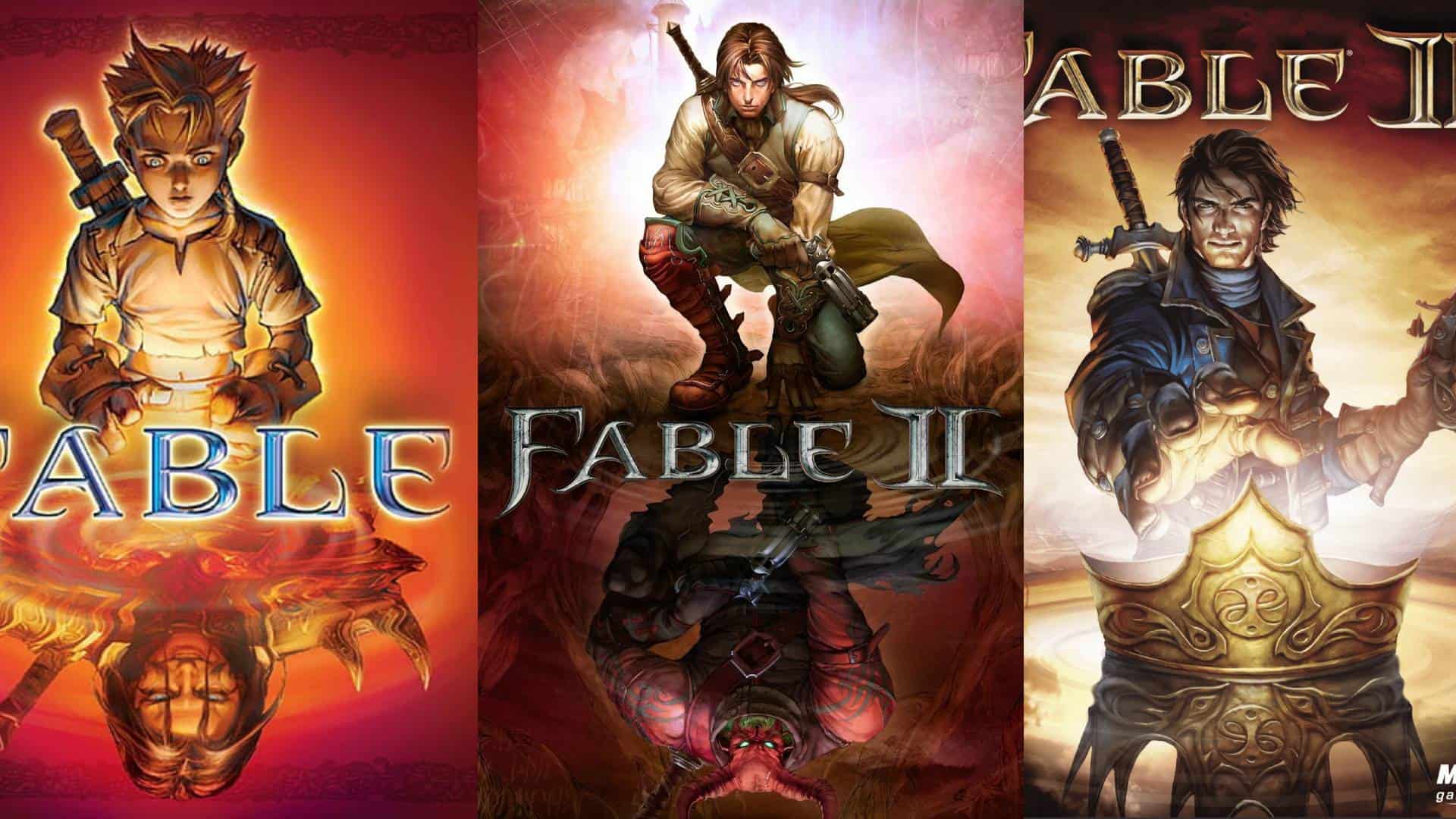
Few RPG franchises are as instantly recognizable as Fable, not because of mechanical complexity or sprawling lore bibles, but because of tone. From the moment players first stepped into Albion, Fable made it clear that this was not a fantasy world content with playing things straight. It was whimsical, sarcastic, occasionally cruel, and surprisingly introspective. Even now, decades later, Fable remains one of gaming’s most distinctive fairy tales.
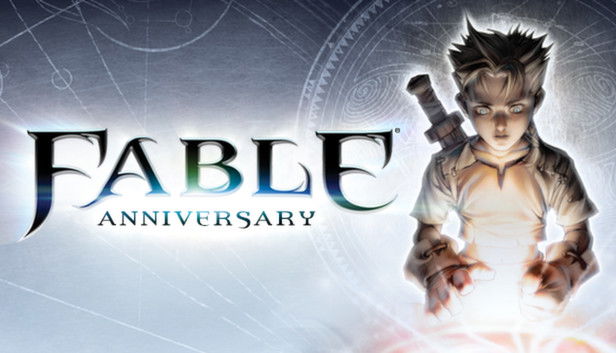
Released in 2004, the original Fable arrived carrying enormous expectations. Much of that came from Peter Molyneux’s ambitious promises, many of which never fully materialized. Yet despite those shortcomings, Fable succeeded where it mattered most. It offered players a world that reacted to them, judged them, and remembered what they did. Albion felt alive not because of scale, but because of personality.
A World That Watches You
At the heart of Fable was choice. Not player choice as a marketing bullet point, but choice as a visible and sometimes uncomfortable reflection of player behavior. Moral decisions were not buried in menus or vague reputation meters. They reshaped your hero physically and socially. Acts of kindness led to glowing skin and public admiration. Cruelty resulted in horns, decay, and fear. The world responded accordingly.
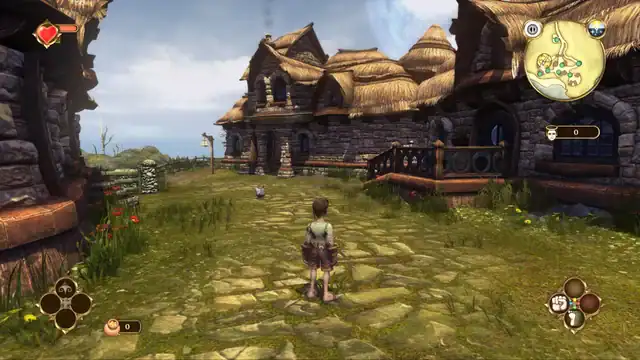
This approach was anything but subtle, yet that bluntness gave Fable its identity. You could not quietly role-play morality in isolation. Albion noticed. Villagers commented. Guards reacted. Shops adjusted prices. The game constantly reminded you that being a hero or a villain was not just about internal justification, but about consequence.
Combat itself was serviceable rather than revolutionary. Melee swings, bows, and spells did their job, but they were rarely the focus. Instead, combat existed to support storytelling, humor, and progression. Fable was less interested in mastery and more interested in expression.
Growing Up With Fable II
Fable II expanded on that foundation in meaningful ways. Set generations later, it shifted Albion into a more industrial era, complete with factories, firearms, and growing class divisions. The fairy tale tone remained, but it was now filtered through themes of greed, exploitation, and social responsibility.
The moral choices grew heavier. Decisions were no longer confined to isolated quests. Entire towns could flourish or collapse depending on player actions. Wealth accumulation became a central mechanic, encouraging players to consider how power and money intersected with morality.
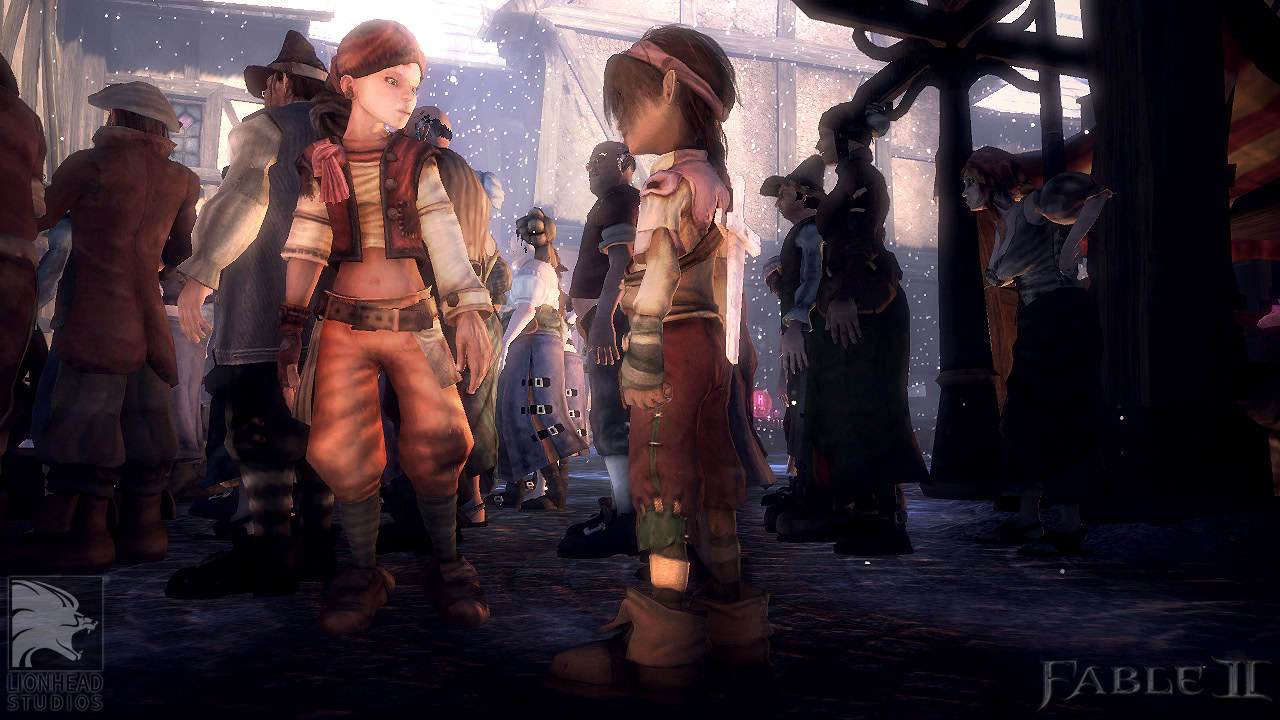
One of Fable II’s most controversial elements was its ending. Rather than a traditional climactic battle, the finale was abrupt and understated. For some, it was unsatisfying. For others, it was a deliberate statement. Fable II was not interested in glorifying violence as a resolution. It emphasized that the true cost of choice often comes after the big moment, not during it.
Wearing the Crown in Fable III
With Fable III, Lionhead Studios pushed the concept of consequence further than ever before. This time, players were not just heroes. They were rulers. After leading a revolution, the game placed the weight of governance squarely on the player’s shoulders.
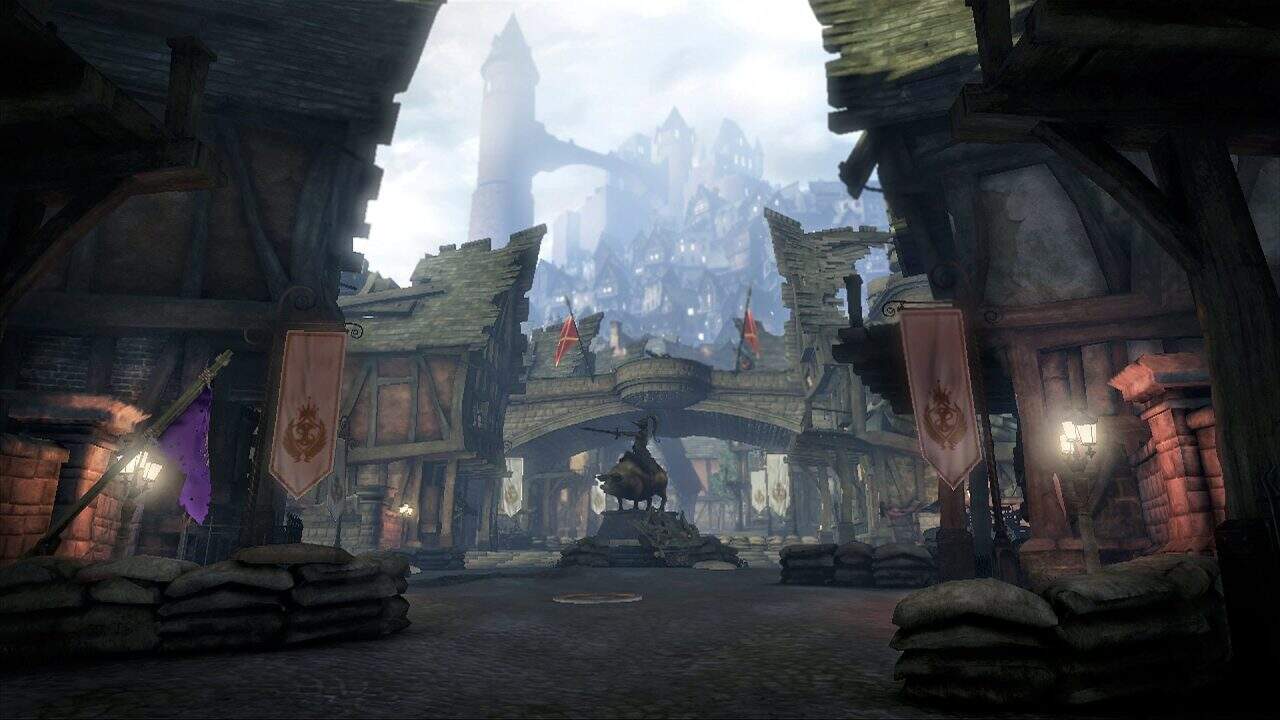
Morality shifted from personal decisions to systemic ones. Do you raise taxes to fund defenses or allow child labor to boost your economy? Perhaps you break campaign promises to ensure survival? These were not abstract dilemmas. They affected lives, resources, and ultimately the fate of Albion.
While the concept was compelling, execution proved uneven. The transition from rebel to monarch felt rushed, and many decisions lacked the depth needed to convey their impact fully. Even so, Fable III deserves credit for ambition. Few RPGs are willing to confront players with the uncomfortable truth that idealism often collapses under the weight of responsibility.
Experiments Losing What Made Fable Special
Outside the main trilogy, Fable struggled to maintain its identity. Spin-offs like Fable Heroes and Fable The Journey attempted to broaden the franchise but stripped away the elements that made it special. Without meaningful choice, reactive storytelling, and strong character presence, Albion felt hollow.
Heroes, unfortunately, took a whack at being a family-style game. In adopting this style, it lost everything that made Fable good: wit, struggle, and the decisions. Heroes became a weird mix of Mario Party/Side-scrolling Beat ’em Ups. It was mostly used to generate coins and level up your character in Fable: The Journey.
Fable: The Journey. God’s where to start with this title. It was a game designed for the Xbox Kinect. Janky hand movements were the majority of gameplay. An on-rails genre game that didn’t really do anything but tarnish the Fable name. This would be Lionhead Studios’ last Fable game, as Fable Legends was cancelled in 2016.
These entries highlighted an important truth. Fable is not defined by its setting alone. It is defined by agency, tone, and consequence. Remove those, and the magic disappears.
What truly separates Fable from its contemporaries is tone. It balances humor and darkness with remarkable confidence. You can laugh at absurd NPC dialogue one moment and grapple with moral fallout the next. It never fully commits to comedy or tragedy; instead, it exists in the uncomfortable space between.
Albion is a place where kicking chickens is a joke, until the joke becomes a reputation. It is a world that invites players to experiment, then quietly holds them accountable. That contrast gives Fable its lasting appeal.
Looking Toward the Future
With a reboot on the horizon, expectations are cautiously optimistic. The RPG landscape has evolved dramatically since Fable last took center stage. Open worlds are larger, systems are deeper, and narratives are more complex. The risk is losing what made Fable special in the pursuit of modern trends.
I’m mostly excited because if Playground Games take a look around the RPG/Fantasy/Action Roleplay space that has exploded over the last few years, they could draw from some absolute gems. I’m hoping that with some love and care, this reboot could be an instant classic. The way that people talk about The Witcher 3 and Skyrim is what I want for Fable.
Fable does not need to outdo Skyrim or outdo The Witcher. It needs to remember its identity, because personality matters and consequences are key. Oh, and a little bit of humor is never a bad thing.
At its core, Fable has always been about stories. Not just the ones written by developers, but the ones shaped by player action. It is about how you are remembered, whether as a legend, a tyrant, or a punchline. Few franchises capture that idea as cleanly or as confidently.
Fable was never perfect. It overpromised, stumbled, and occasionally lost its way. But it was bold, strange, and unapologetically human. In a genre often obsessed with scale and seriousness, Fable reminded us that fairy tales still have teeth.
