

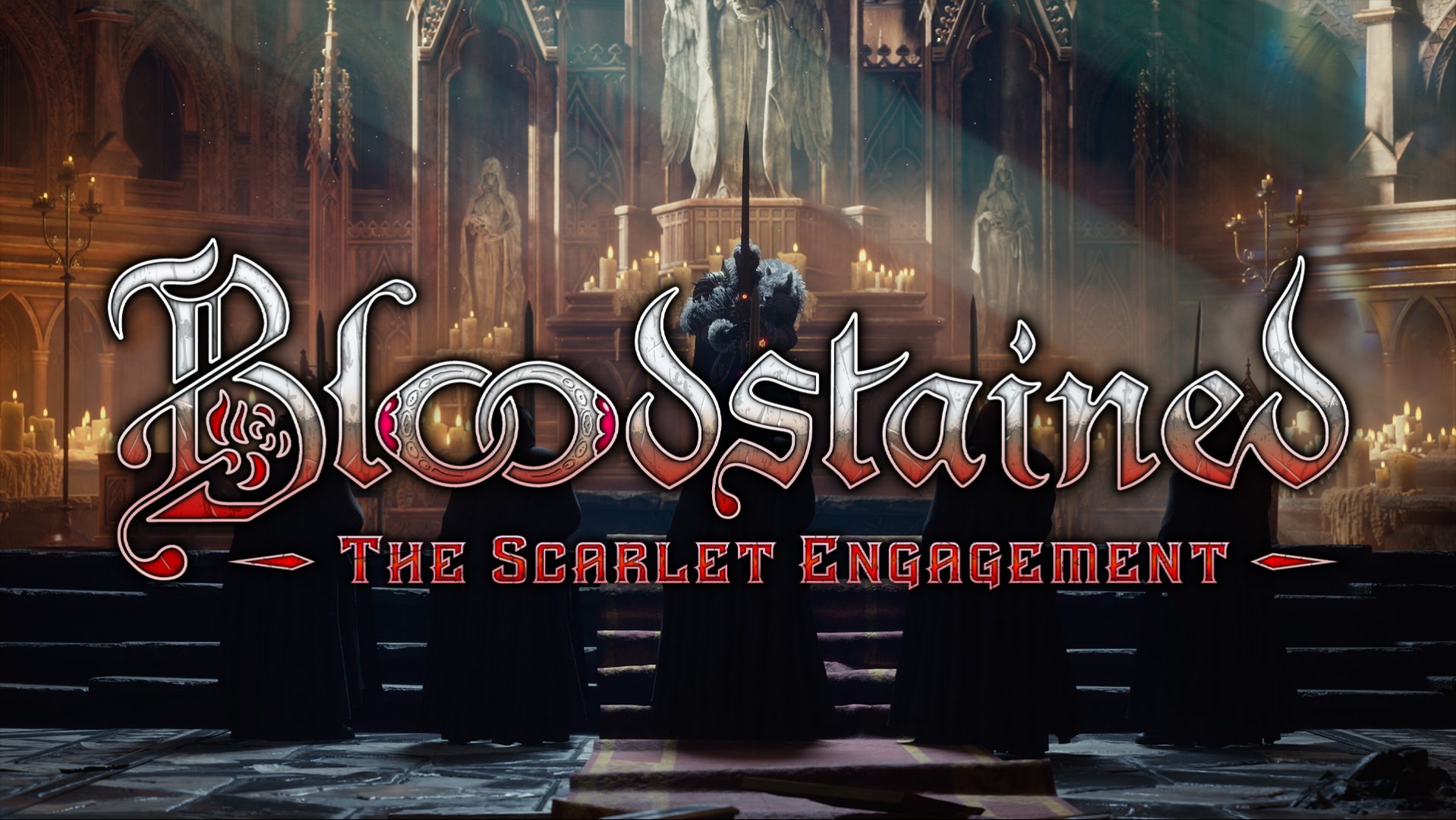
Bloodstained: The Scarlet Engagement has officially been announced, and as the follow-up to Bloodstained: Ritual of the Night, it represents an important moment for the franchise. When Ritual of the Night originally launched, it carried a significant amount of expectation. It was more than just another 2.5D action RPG. It was proof that Koji Igarashi could successfully modernize the gothic formula that helped define a generation of action-adventure games while still preserving its identity.
With Bloodstained: The Scarlet Engagement, the situation is different. The foundation has already been established. Developed once again by ArtPlay, the core creative leadership remains intact. This time, however, the focus shifts from proving the concept to refining and expanding it.
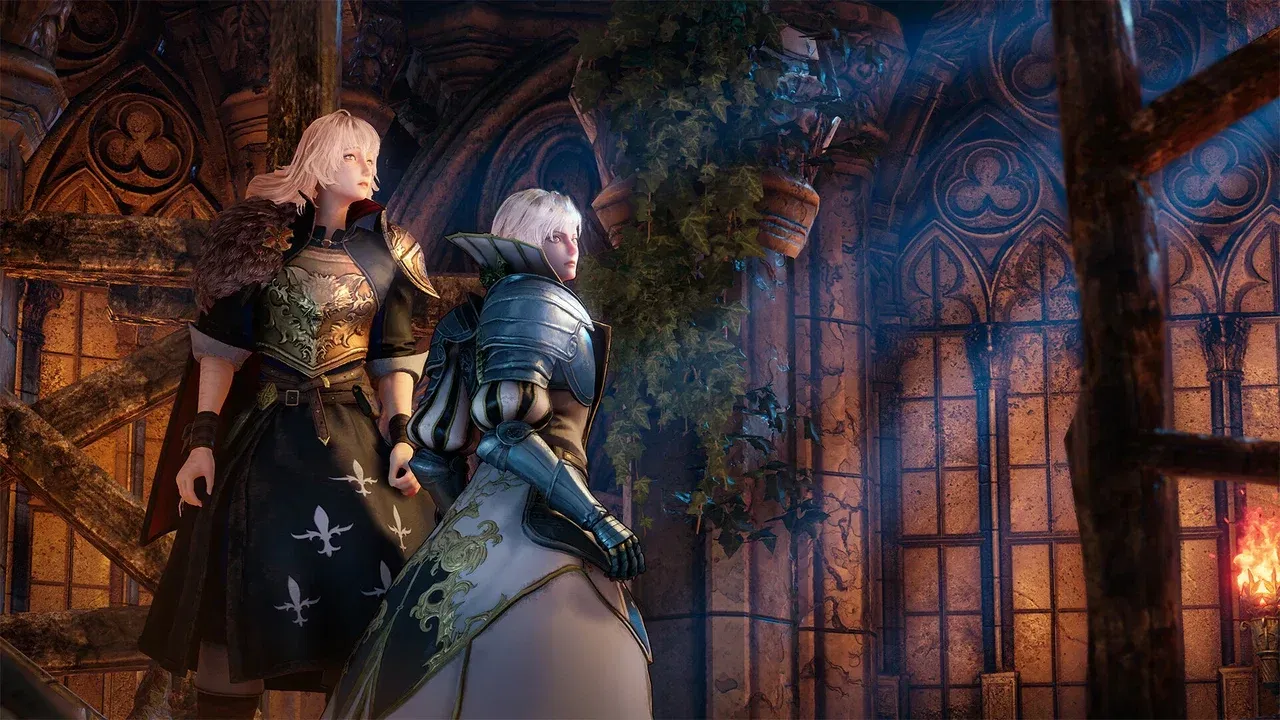
Rather than continuing Miriam’s storyline directly, Bloodstained: The Scarlet Engagement serves as a prequel set years earlier in the timeline. Players take on the roles of Leonard “Leo” Brandon and Alexander Kyteler as they confront the growing threat of the Ethereal Castle and the Demon Lord Elias. By moving backward in the narrative, the developers gain the freedom to deepen the lore and explore a different perspective within the same dark, gothic world.
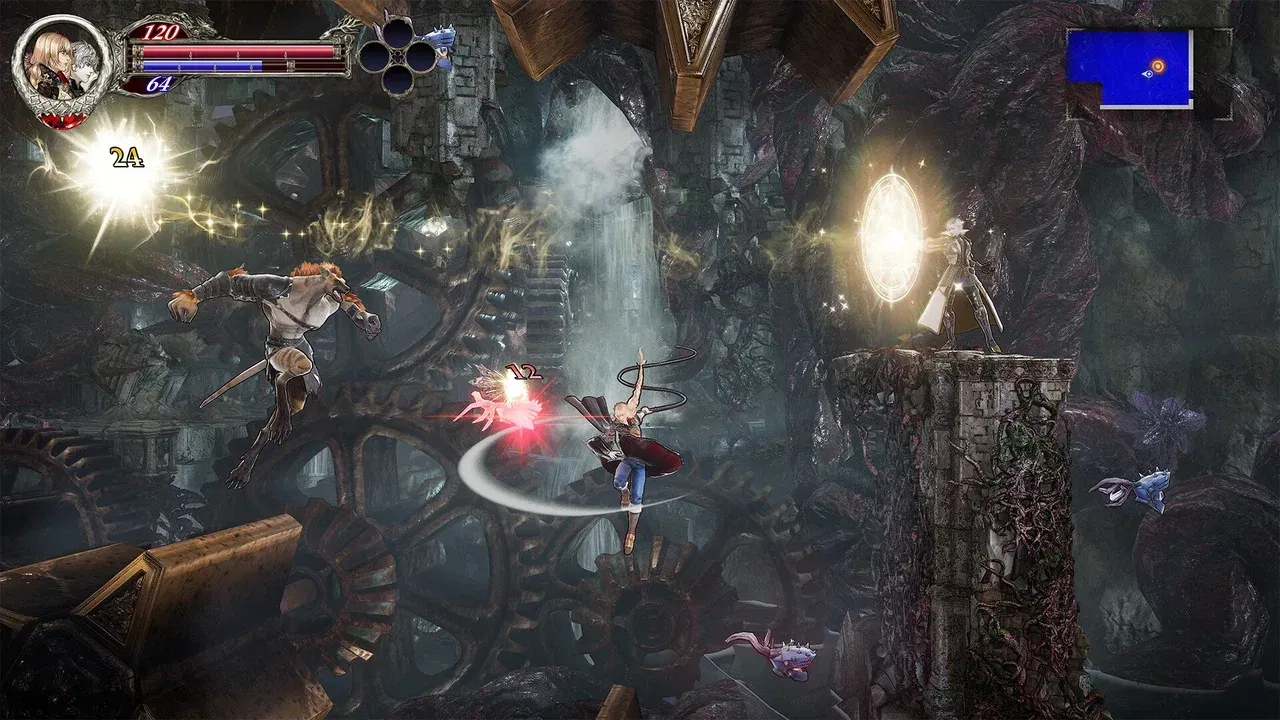
One of the more notable additions is the Buddy System, which is something we’ve seen in prior Castlevania games, and Bloodstained: Curse of the Moon 2, that allows players to control both Leo and Alex. If implemented thoughtfully, this mechanic could meaningfully influence combat encounters and exploration. Dual-character systems have the potential to enhance strategic depth, particularly in a genre where enemy placement, movement options, and ability synergy define the overall experience.
What stands out most is that Bloodstained: The Scarlet Engagement does not benefit from the same nostalgia-driven momentum that helped Ritual of the Night. It will be evaluated on execution. Combat should feel tighter and more deliberate. Enemy variety and encounter design need to encourage adaptation rather than repetition. Level design must reward curiosity without feeling artificially extended, and pacing should support both narrative progression and gameplay flow.

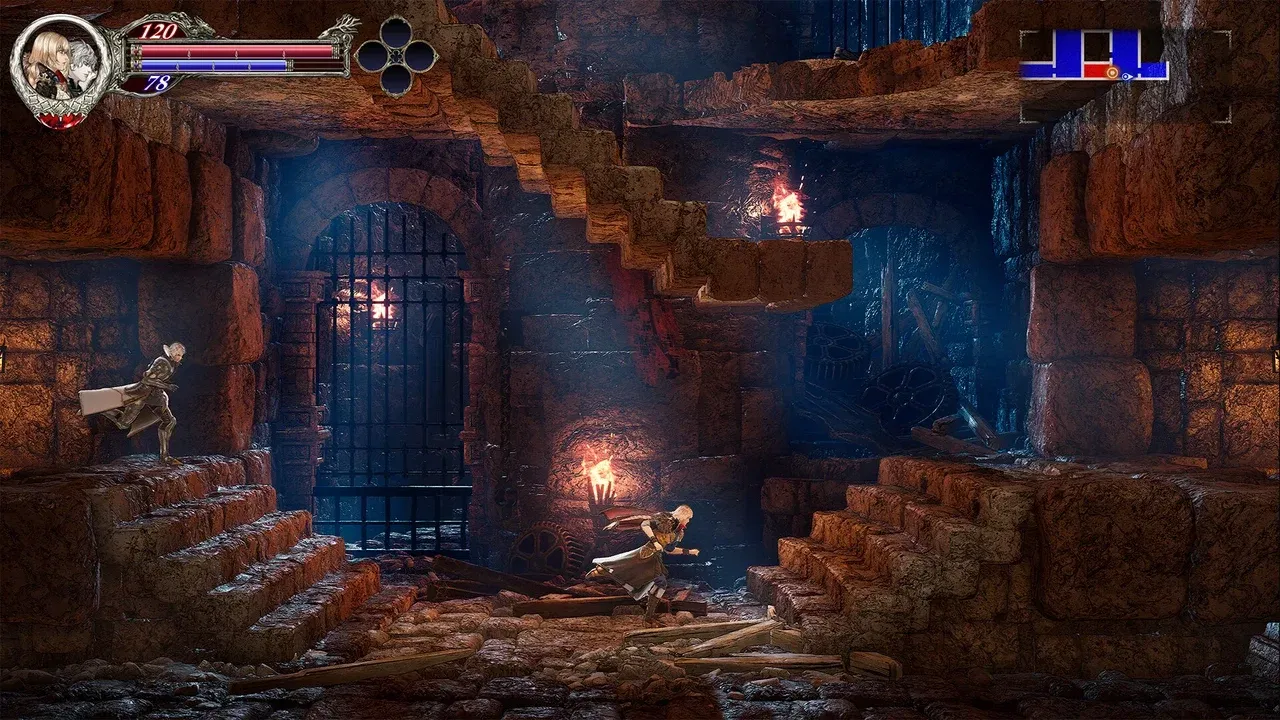
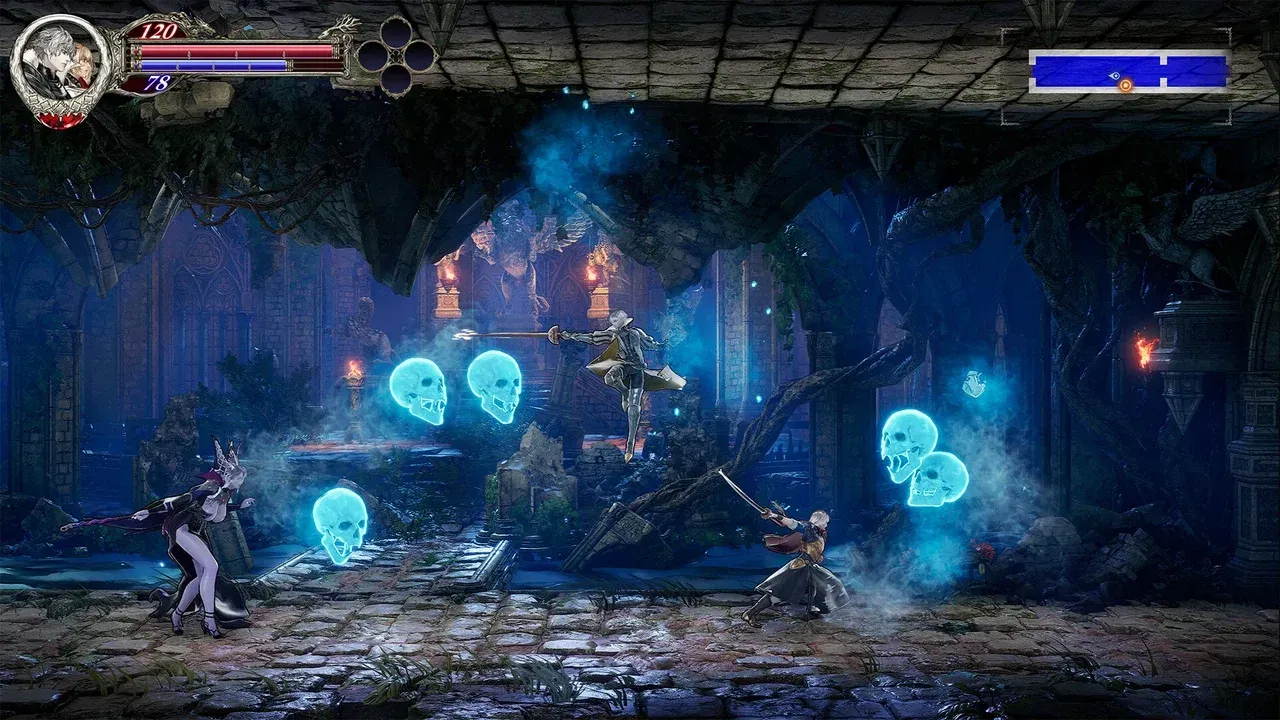
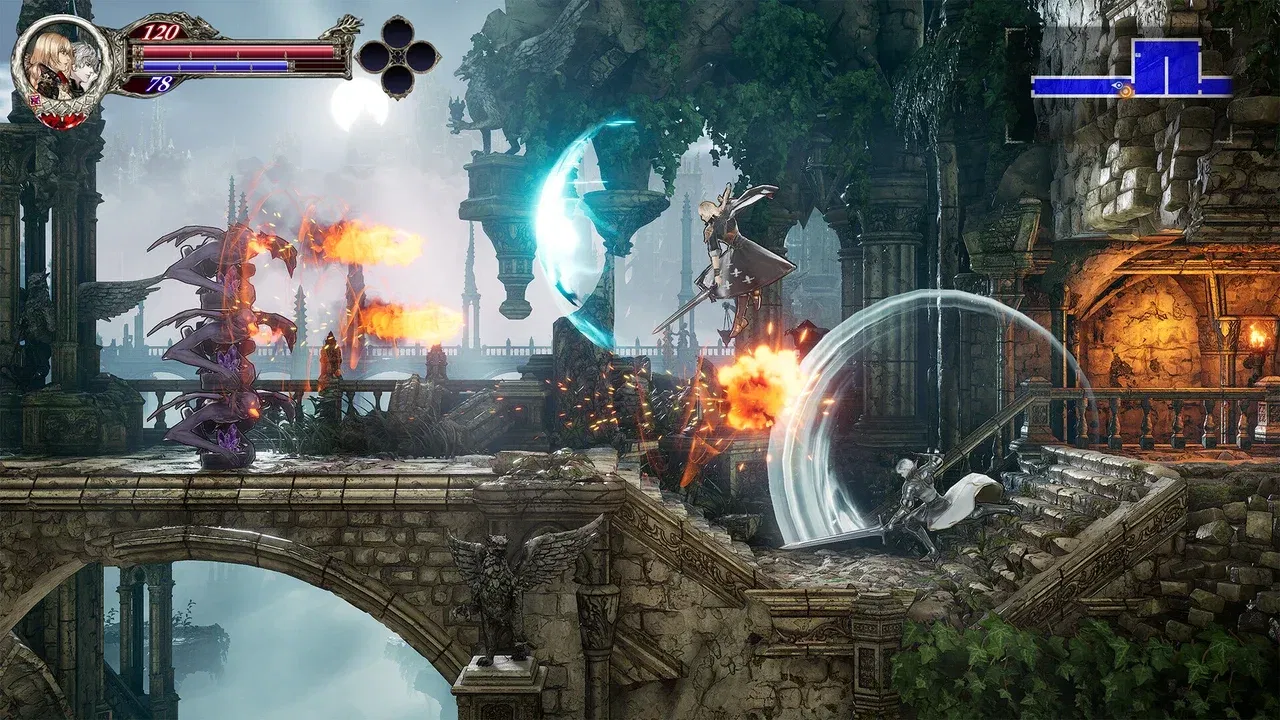
The Metroidvania genre has become increasingly competitive in recent years, with players expecting polish, mechanical clarity, and consistent depth. Bloodstained can no longer rely solely on its legacy. If ArtPlay applies the lessons learned from Ritual of the Night and focuses on refinement instead of simple expansion, Bloodstained: The Scarlet Engagement has the potential to solidify the series as a lasting presence in the modern action-RPG landscape.
I’m a huge fan of Bloodstained: Ritual of the Night, and prior to that, the Castlevania games that this series was created to replace, so I’m looking forward to this follow-up. But 2026? They’re going to make us wait that long?
