

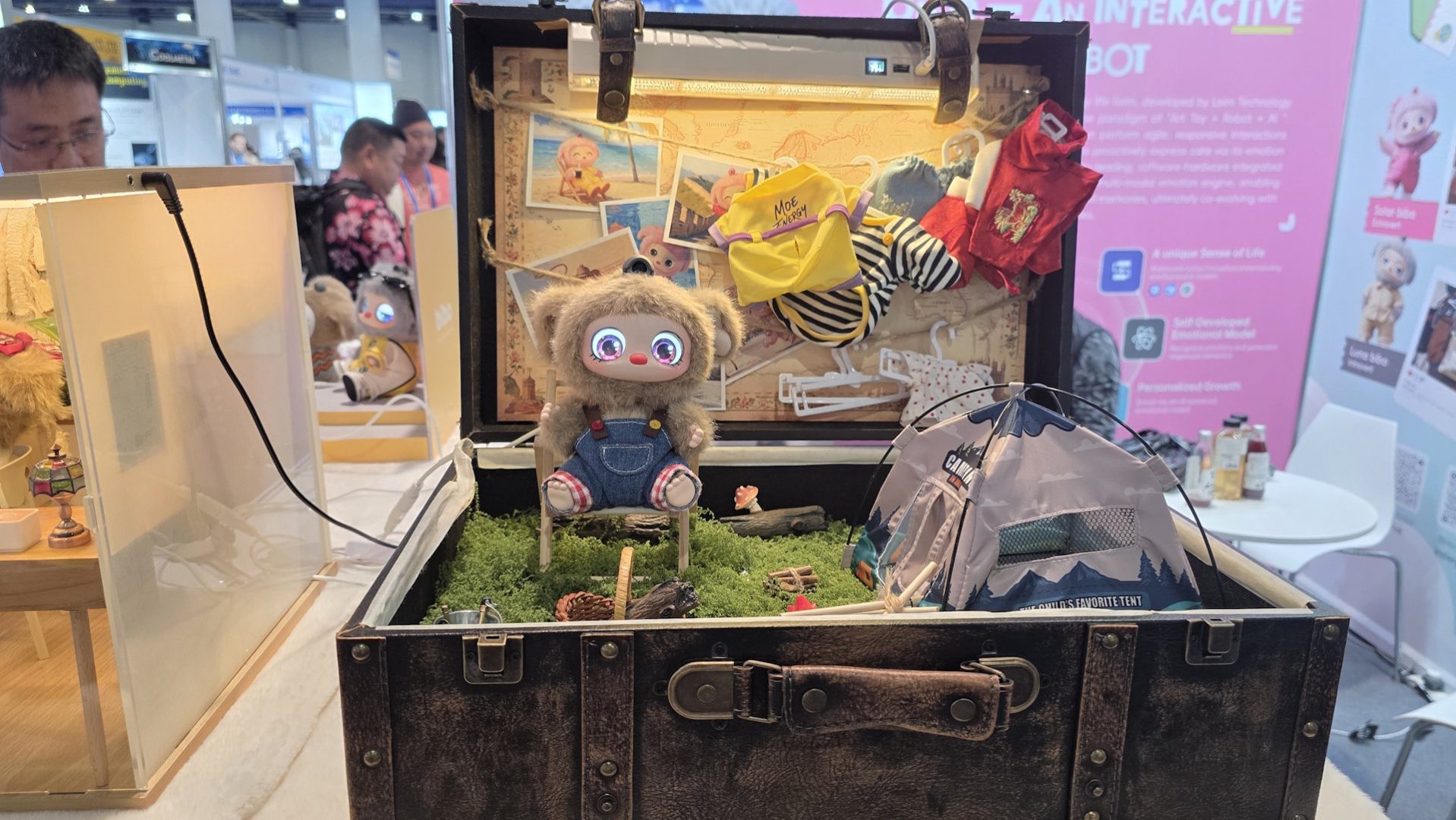
The first thing that struck me when I saw bibo at CES 2026 was how immediately inviting it felt. With its oversized eyes, soft proportions, and expressive movements, it oddly reminded me of the Gremlins, or the wildly popular Labubu plush toy that has taken the world by storm. It is the kind of design that draws you in before you even start asking what it actually does. Trust me, it worked on me too.
Developed by Hangzhou-based Leim Technology, which had a booth stuck in the back of the South Hall that you would have missed if you hadn’t gone back far enough, bibo is positioned as an interactive art toy robot that sits somewhere between a designer collectible and consumer robotics. Rather than acting as a smart assistant or utility-focused device, bibo is built around the idea of emotional interaction and long-term companionship.
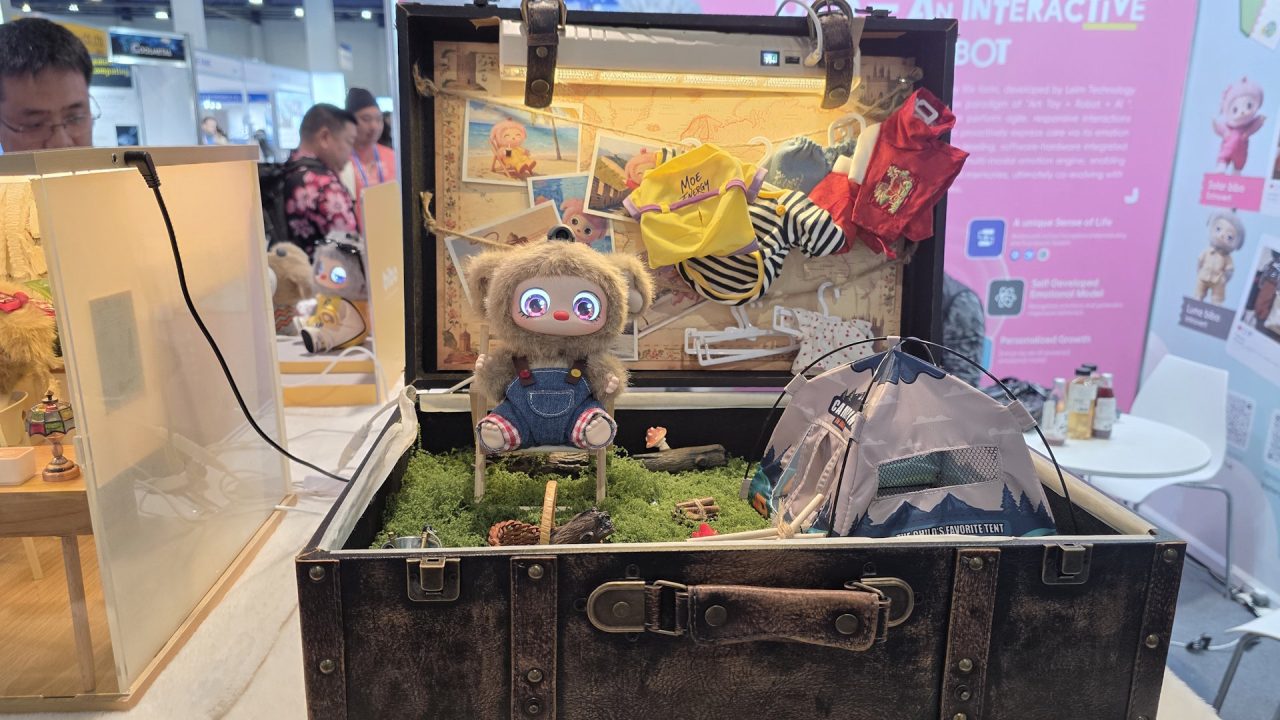
Unlike typical desk robots that rely on simple animations or scripted voice prompts, bibo uses a combination of on-device AI, multi-modal sensors, and an emotion-driven system to create reactive behaviors based on its surroundings and user interactions. The focus here is not productivity, but presence, personality, and evolving behavior over time.
From a hardware perspective, bibo integrates a privacy-protected visual sensor, a 2D beamforming microphone, touch sensors, and an attitude detection system, all powered by a low-power AI processor. A high-brightness display forms the character’s expressive face, while internal servos and a micro-vibration unit allow for subtle physical movement and tactile feedback. According to Leim Technology, AI processing is handled on-device, allowing bibo to gradually build personalized memories without leaning heavily on cloud-based interaction.
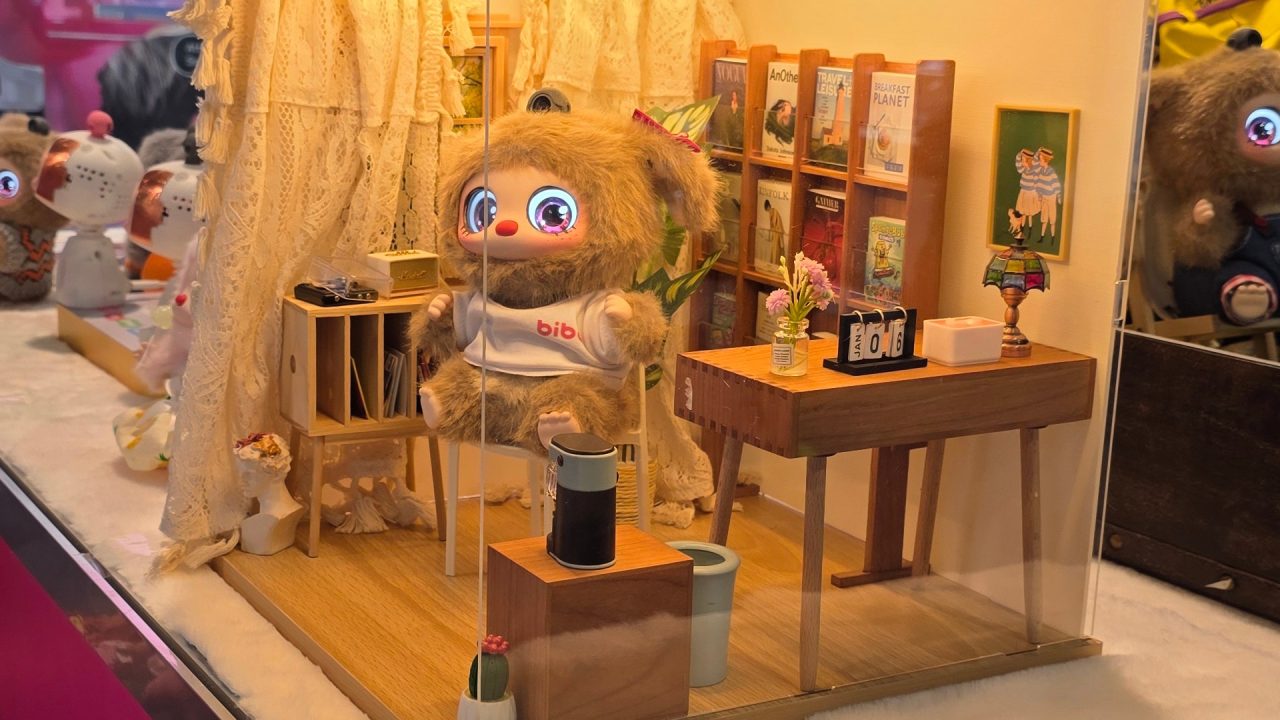
Outside of that, interactions can be handled via a companion mobile app that introduces growth mechanics, customization options, and light gameplay elements. Features such as an NFC-based wardrobe system and emotional progression reinforce the idea that bibo is meant to feel more like a digital pet or evolving character than a traditional gadget. Two personality variants were also on display, Solar bibo, designed around extroverted behaviors, and Luna bibo, which leans toward a more introverted personality.
Now, if you are wondering whether you can actually get your hands on one, you may need to pump the brakes for a bit. According to a representative at the booth, bibo is set to debut April 2026.
Unfortunately, there are currently no announced plans for a US release, which is a real shame, as this is the kind of product that could easily find an audience and fly off shelves if it ever makes its way stateside.
