


Prior to 2025 closing out, The Outerhaven was invited to participate in a preview event for Arknights: Endfield. Over the past month, I have been playing Beta Test II alongside many other closed beta participants, giving me far more time than the six hours I had during that earlier event. This allowed me to explore systems and mechanics I previously could not. Let’s dive in.
The Gacha System
During the original preview event, I was unable to access the headhunting screen, which serves as the core gacha system in Arknights: Endfield. That changed during Beta Test II, where I used the system quite frequently.
I already covered my broader thoughts and complaints about the gacha system in a previous article, so I will not rehash every detail here. That said, my personal luck was excellent. My very first multi-pull on the event banner landed Laevatain, the featured unit. It took several pulls on the standard banner before I landed my first six-star, but fortunately, it was Ember, the character I wanted most. As a result, much of my main playthrough revolved around Laevatain and Ember as my core damage dealers.
Team Building and Combat Flow
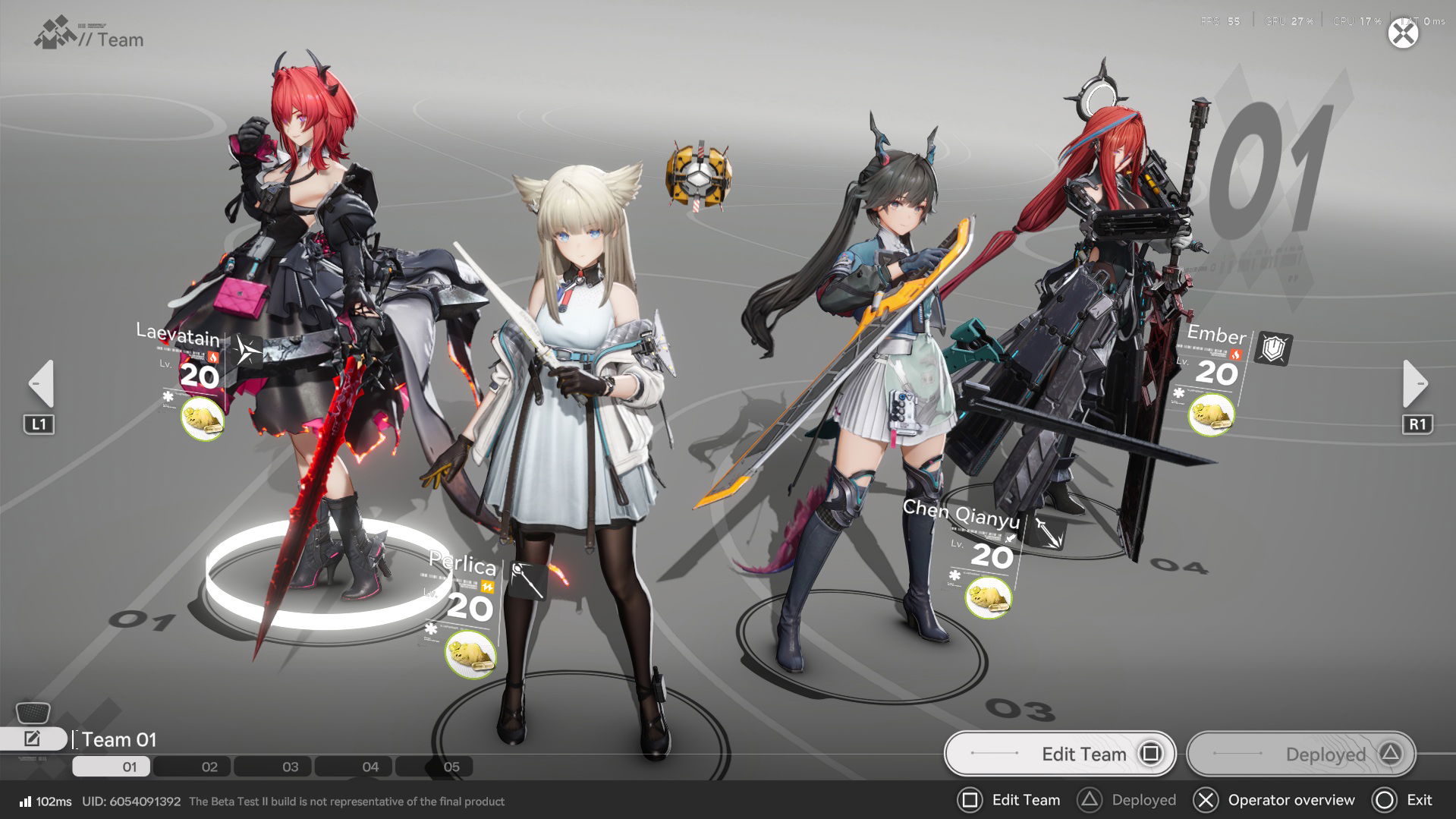
Unlike the Beta Test II preview event, where I was given a preset team, this time I had full control over team composition. Building my own squad and experimenting with character synergy ended up being one of the most enjoyable parts of the beta.
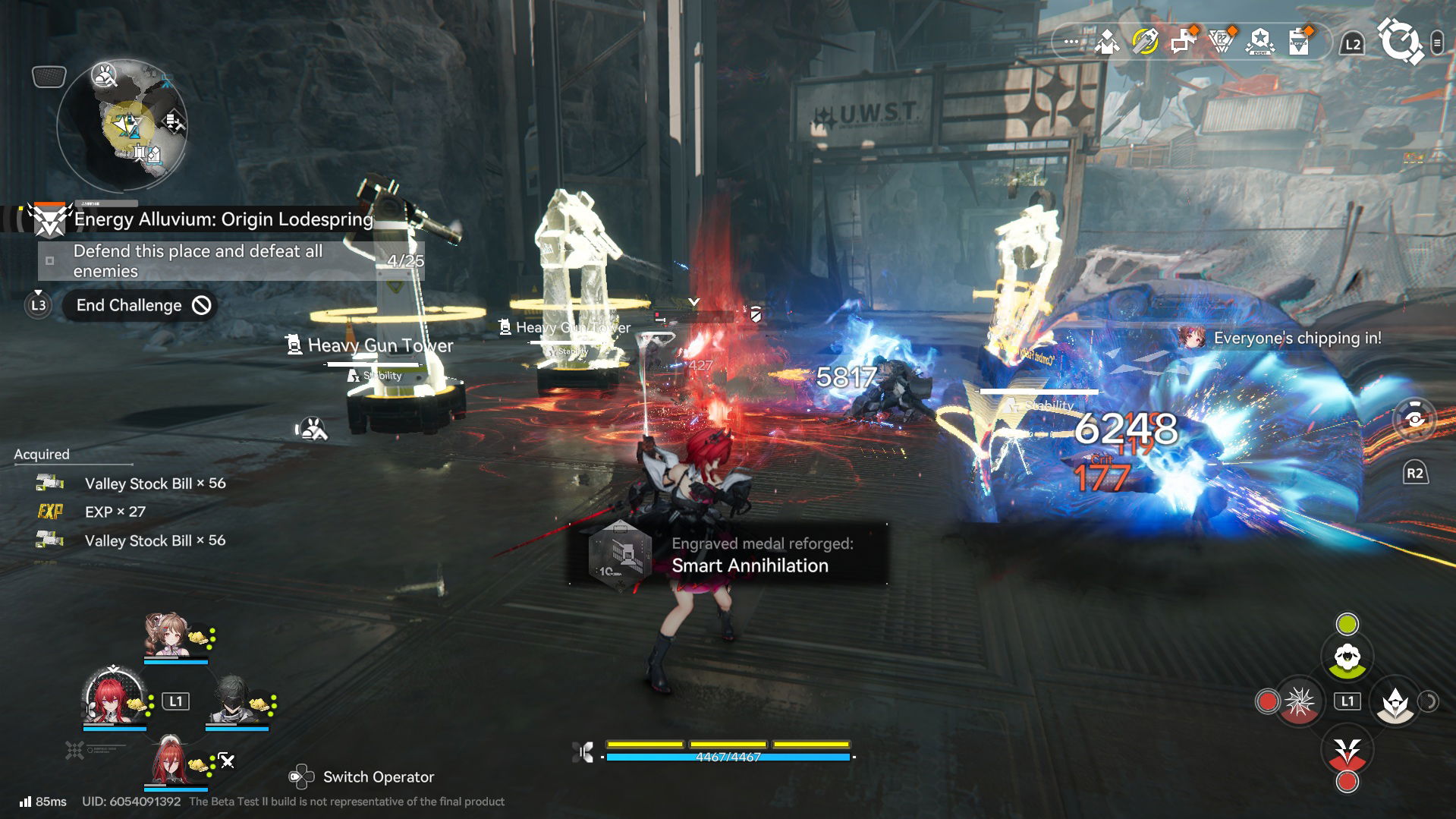
Characters rely on two primary types of abilities. The first are active abilities, which can be triggered once the SP gauge has at least one available segment. The second are reactive abilities, which activate automatically based on specific conditions. These can include being hit by an enemy, completing a combo, or triggering another character’s ability.
With a well-built team, combat becomes a constant back-and-forth between active and reactive abilities. Without that synergy, you will often find yourself relying on basic combos while waiting for SP to refill. Arknights: Endfield allows players to approach combat at their own pace, but mastering these mechanics makes battles far more dynamic and satisfying.
Facility Building and Automation
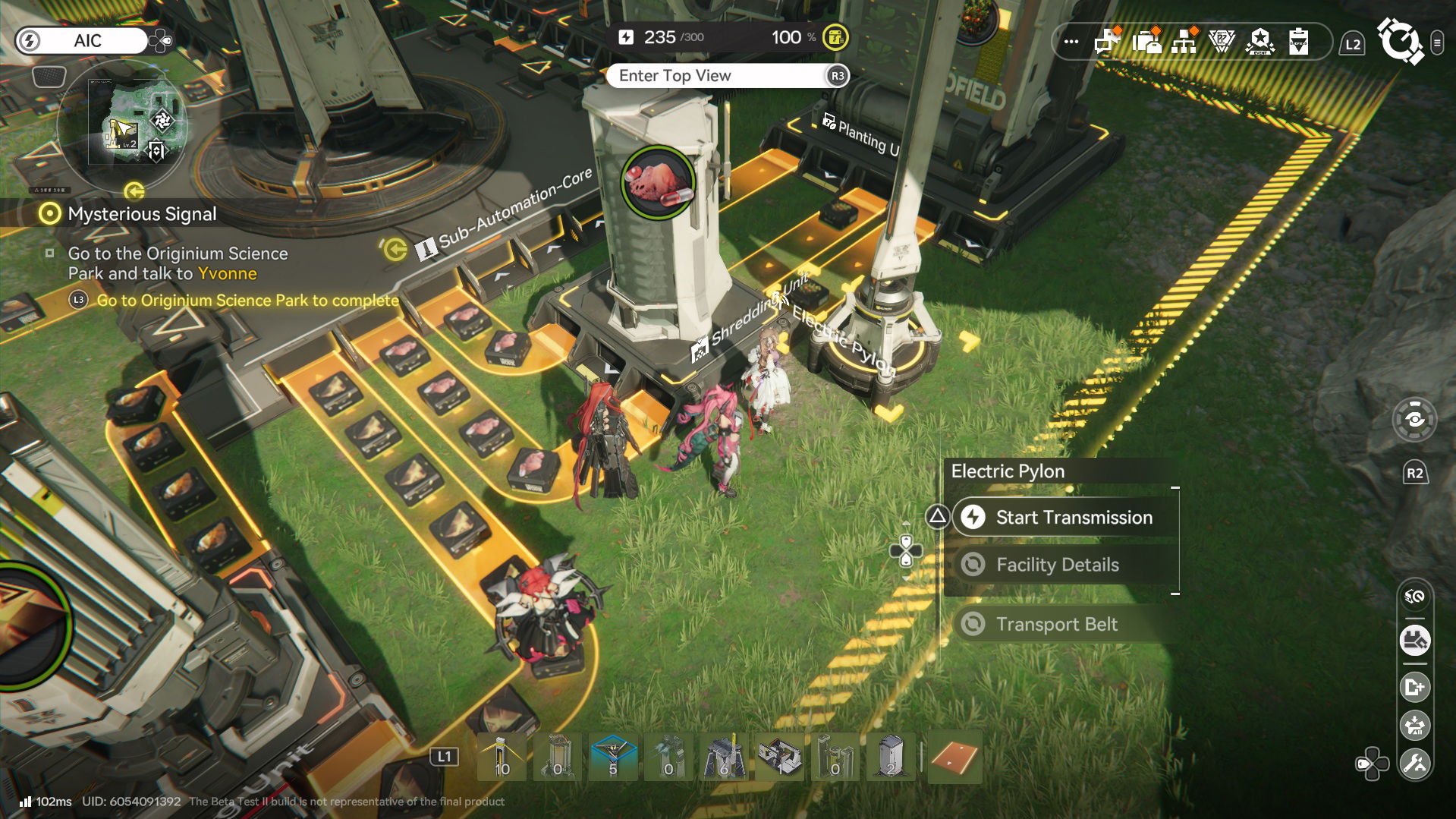
Early on, Arknights: Endfield introduces facility construction through the AIC, or Automated Industry Complex. This system allows players to mass-produce and refine resources. While it can feel overwhelming at first, it becomes much easier to manage as more facilities and blueprints are unlocked.
Once you establish a solid automation setup, resources begin to pile up quickly. Excess materials can be sold for credits, which are then used to upgrade facility locations and other systems. That said, I do have an issue with how storage upgrades are handled.
Storage capacity is increased through deployment storage units, which require a significant amount of credits. I often found myself waiting several days for resources to cap out before converting them into credits, just so I could afford storage upgrades. While this does push players to engage with the system beyond daily tasks, it can feel tedious, especially when playing on limited time and forgetting to cash in resources before hitting capacity.
Another common complaint among Beta Test II players is how facility blueprints are distributed. Many blueprints are locked behind tutorials, and while only a handful are required to begin large-scale automation, there are dozens upon dozens of optional tutorials tied to new facilities and story progression. Completing them does reward resources, but the sheer volume can make the process feel bloated rather than informative.
Resources, Headhunting, and Monetization
This is where my biggest frustrations lie. Headhunting in Arknights: Endfield uses a currency called Oroberyl. Early on, the game is fairly generous with it, especially if you complete tutorials and thoroughly explore the world. I have no issue with how Oroberyl is earned through regular gameplay.
The problem is how much is required. A single headhunt costs 500 Oroberyl, while a multi-pull requires 5,000. Compared to many other gacha systems, this is extremely expensive. While standard headhunt tickets are relatively easy to obtain through facilities, shops, and progression, limited banner tickets are far more scarce.
The beta was generous with daily login rewards and free resources, but that generosity is expected during testing. Beta tests often encourage players to experiment with high-rarity characters, especially when paid currency is unavailable. Whether that level of generosity carries over into the full 1.0 launch remains to be seen, and I remain skeptical.
The battle pass features three tiers: a free tier, a premium tier unlockable through gameplay-earned currency, and a paid-only tier. Most players will likely stick with the first two tiers, though the paid tier does offer meaningful perks. Unfortunately, it could not be tested during Beta Test II due to the lack of paid currency.
Is Arknights: Endfield Worth Playing?
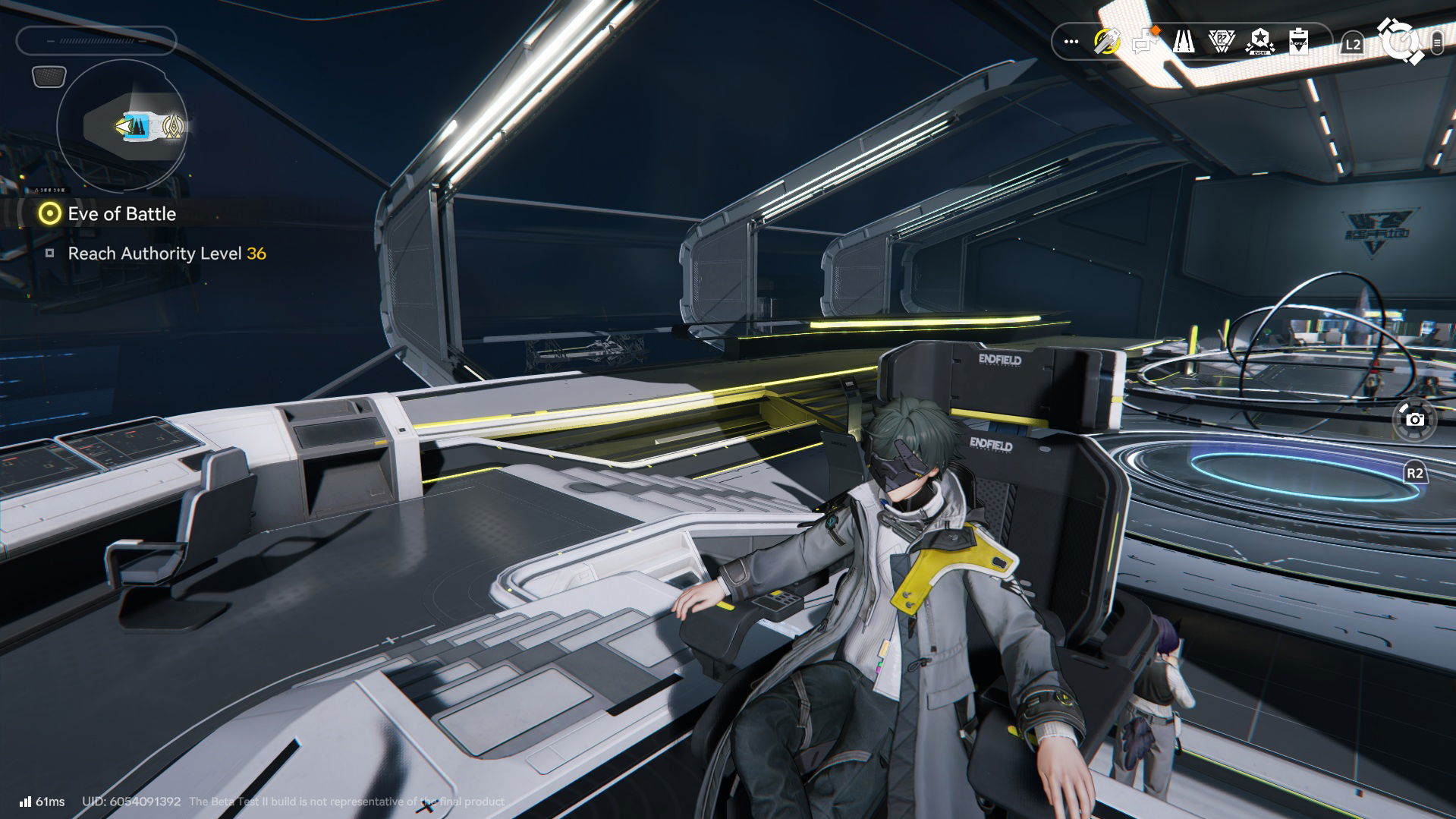
Despite my concerns with resource management and monetization, Arknights: Endfield is a fun, engaging experience that gives players plenty of reasons to keep logging in. The visual fidelity is excellent, performance is strong, and the game ran at a locked 1440p 60 FPS throughout my time with the beta.
This is shaping up to be one of my favorite daily-play games. I am deeply interested in the world of Talos-II, Endfield Industries, and how the story unfolds. The mysterious connection between Endmin and the game’s antagonists hints at something larger, and the character designs and outfits have consistently impressed me.
I have strong confidence in the direction Arknights: Endfield is heading.
Arknights: Endfield launches worldwide on January 22, 2026, as a free-to-play title with in-game purchases on PlayStation 5, PC, and mobile devices.
