


Rivalries Take Center Stage
When Riot Games launched Riftbound: TCG from League of Legends, the question wasn’t whether Runeterra had enough characters to support a card game. That world is overflowing with champions, factions, and grudges.
The real question was how Riot would turn those stories into a long-term TCG ecosystem.
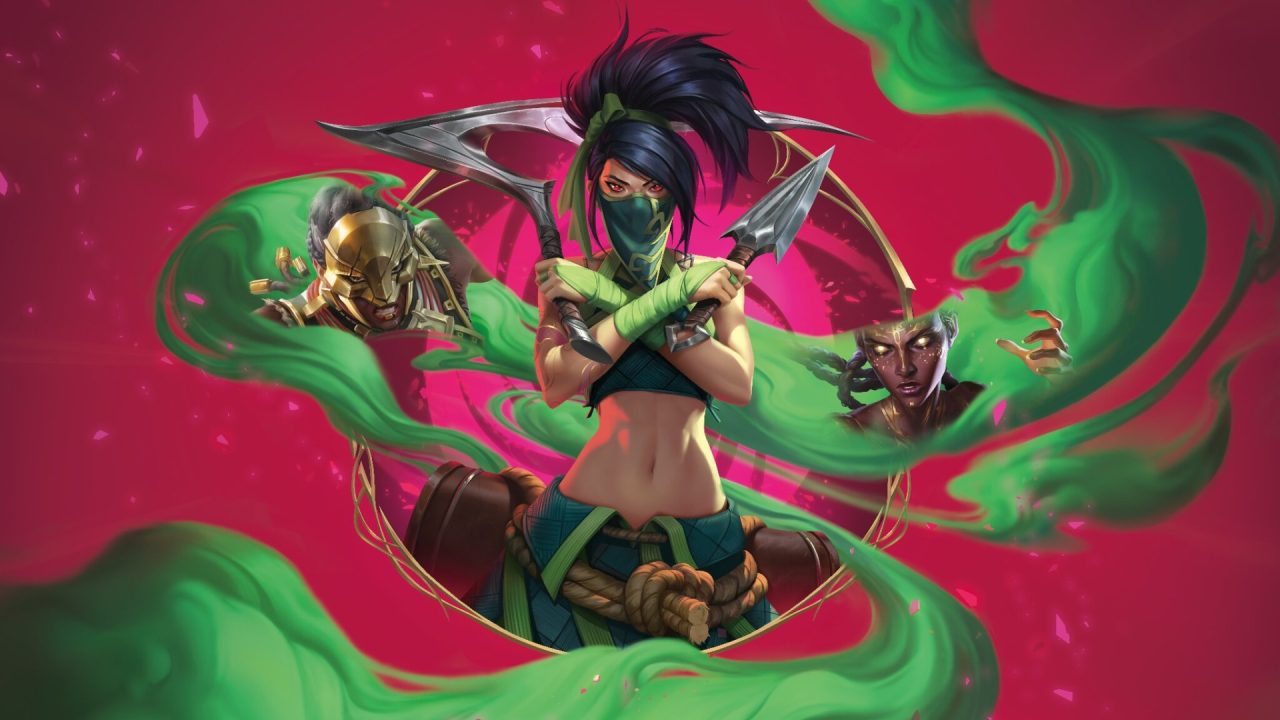
With the reveal of Riftbound: Vendetta and Riftbound: Radiance, Riot is starting to answer that question in a very clear way: lean hard into the rivalries and personalities that made League of Legends iconic in the first place.
And honestly, it’s about time.
Vendetta Turns Rivalries into Gameplay
Launching July 31, Vendetta is shaping up to be one of Riftbound’s most character-driven sets yet.
The expansion introduces 160+ cards, 50+ Showcase cards, and nine Champion Legends, while also experimenting with new domain pairings that haven’t appeared in Riftbound before.
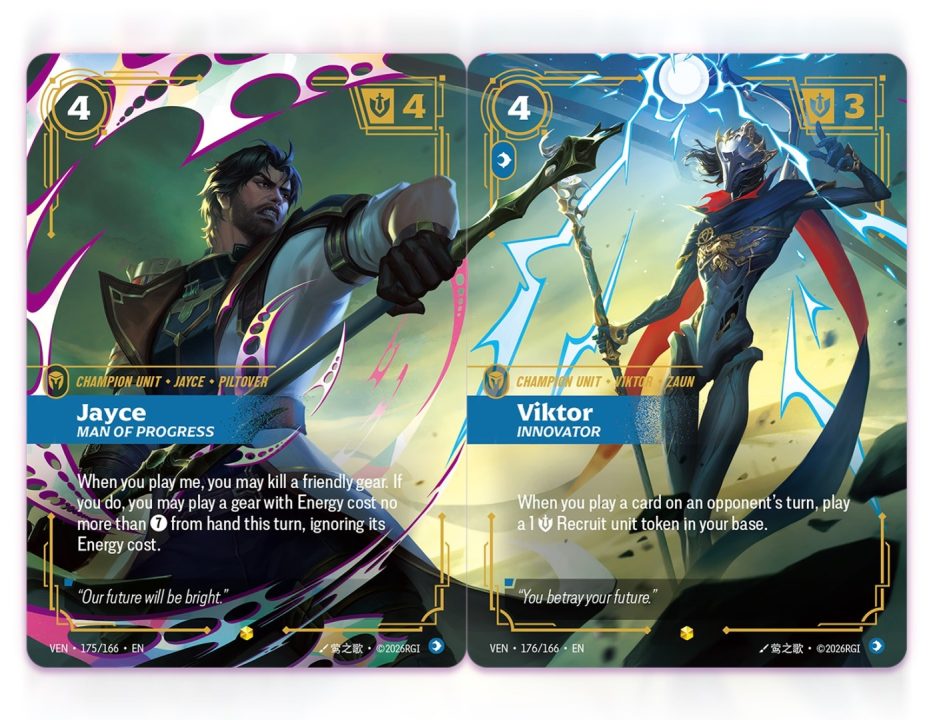
That alone signals something important: Riot isn’t just expanding the card pool. They’re expanding how decks can be built.
The champions revealed so far read like a list of some of Runeterra’s most famous grudges:
- Nasus vs. Renekton – The shattered brotherhood of Shurima
- Zed vs. Shen – The eternal shadow war between Kinkou and the Order of Shadow
- Akali – The rogue ninja who refuses to follow anyone’s rules
- Mel and Ambessa – The rising political power struggle tied to Piltover and Noxus
If Riftbound wants to feel like League rather than “generic fantasy card game #47,” this is exactly the direction it needs to go.
League has always been defined by its characters and their conflicts. Translating those rivalries into deck archetypes and card interactions could give Riftbound the kind of thematic identity that keeps a TCG alive long after launch hype fades.
A Starter Product That Actually Makes Sense
Alongside Vendetta, Riot is introducing Riftbound’s first two-player starter product:
Zed vs. Shen Showdown Decks.
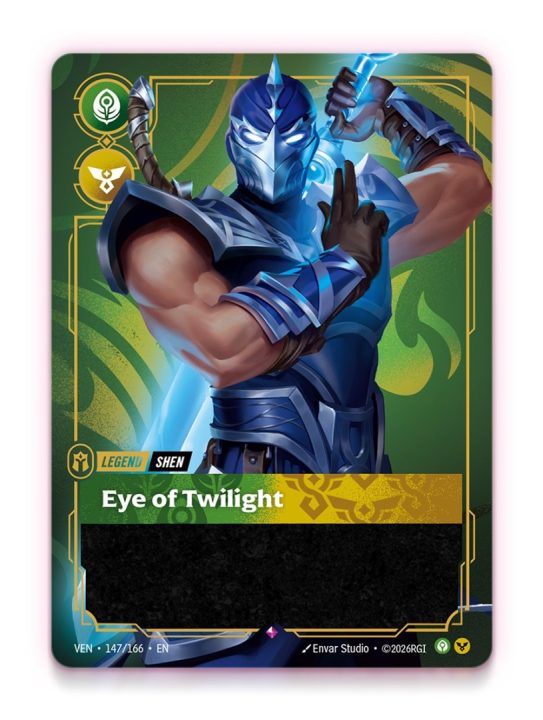
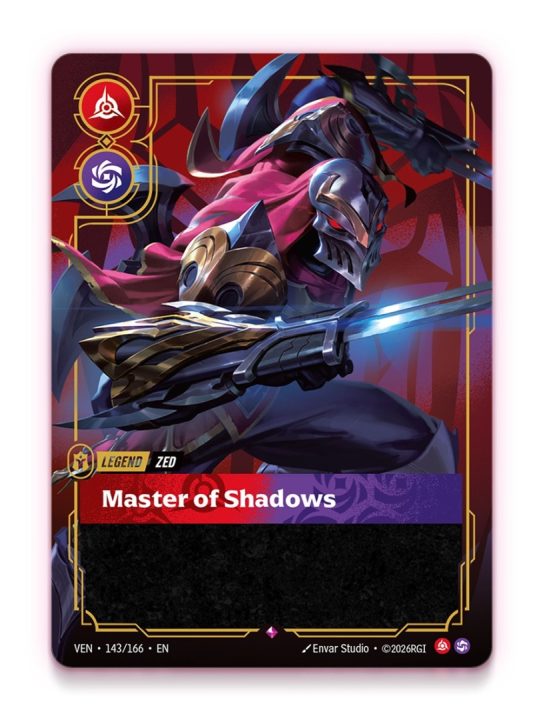
And for once, a starter deck announcement didn’t make experienced players roll their eyes.
The box includes:
- Two ready-to-play 56-card decks
- Two Vendetta booster packs
- No exclusive cards
That last point matters more than it might seem.
Many TCGs lock powerful or unique cards inside starter products, forcing competitive players to buy boxes meant for beginners. Riot avoiding that trap is a smart move. It keeps the entry point clean for new players while preventing collectors and competitive players from feeling obligated to crack multiple copies.
In other words: it’s a learning product, not a disguised paywall.
A rare win for common sense in the TCG world.
Radiance Expands the World Later This Year
If Vendetta is about conflict, Radiance appears to be exploring a different side of Runeterra.
Arriving October 23, the set will feature:
- 180 cards
- 60+ Showcase cards
- Champions including Evelynn, Ekko, and Seraphine
Radiance will also include its own Showdown Deck product, continuing Riot’s push toward approachable entry points.
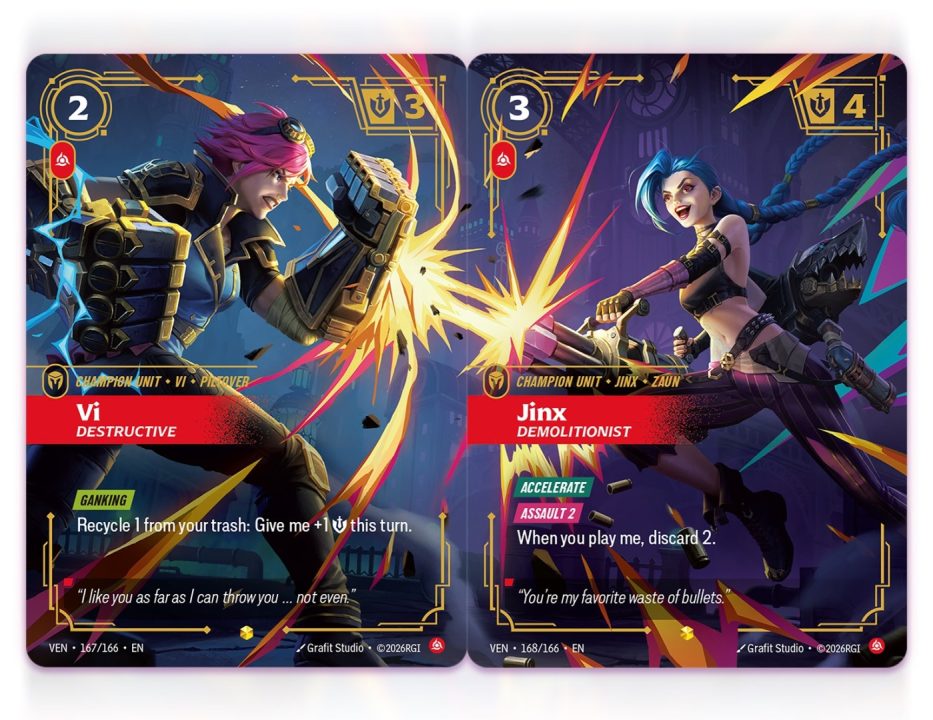
The bigger card pool suggests Riot is ramping up the game’s mechanical depth as the year progresses. That’s typical for TCG ecosystems, but the speed of expansion here hints that Riot intends Riftbound to evolve quickly rather than slowly drip content.
The Bigger Picture for Riftbound
Two things stand out from these announcements.
First, Riot is clearly structuring Riftbound around narrative themes.
Vendetta focuses on rivalries. Radiance appears to spotlight charisma, fame, and influence. If Riot continues building sets around recognizable story beats from Runeterra, it could give the game a thematic cohesion many card games struggle to maintain.
Second, Riot seems determined to keep new-player accessibility front and center.
Starter decks that are genuinely playable. No exclusive cards locked behind entry products. Clear character-focused archetypes. All of that lowers the barrier to entry for players who love League but have never touched a TCG before.
That audience is massive.
Riftbound’s Real Challenge Is Still Ahead
All the reveals in the world won’t matter if the game can’t build momentum at the table.
The real test for Riftbound will be:
- Whether domain pairings and deck-building options stay interesting
- Whether Showcase cards hold collector value
- Whether organized play and store support keep players engaged
TCGs live or die on community energy, not just card design.
Still, Riot has one advantage many card games would kill for: a decade of lore and characters that players already care about.
Vendetta and Radiance suggest Riot is finally tapping into that strength.
If they continue leaning into Runeterra’s stories instead of just releasing cards, Riftbound might have the foundation it needs to become more than another short-lived TCG experiment.
And given how competitive the card game market is right now, that’s exactly the kind of identity Riftbound will need.
