

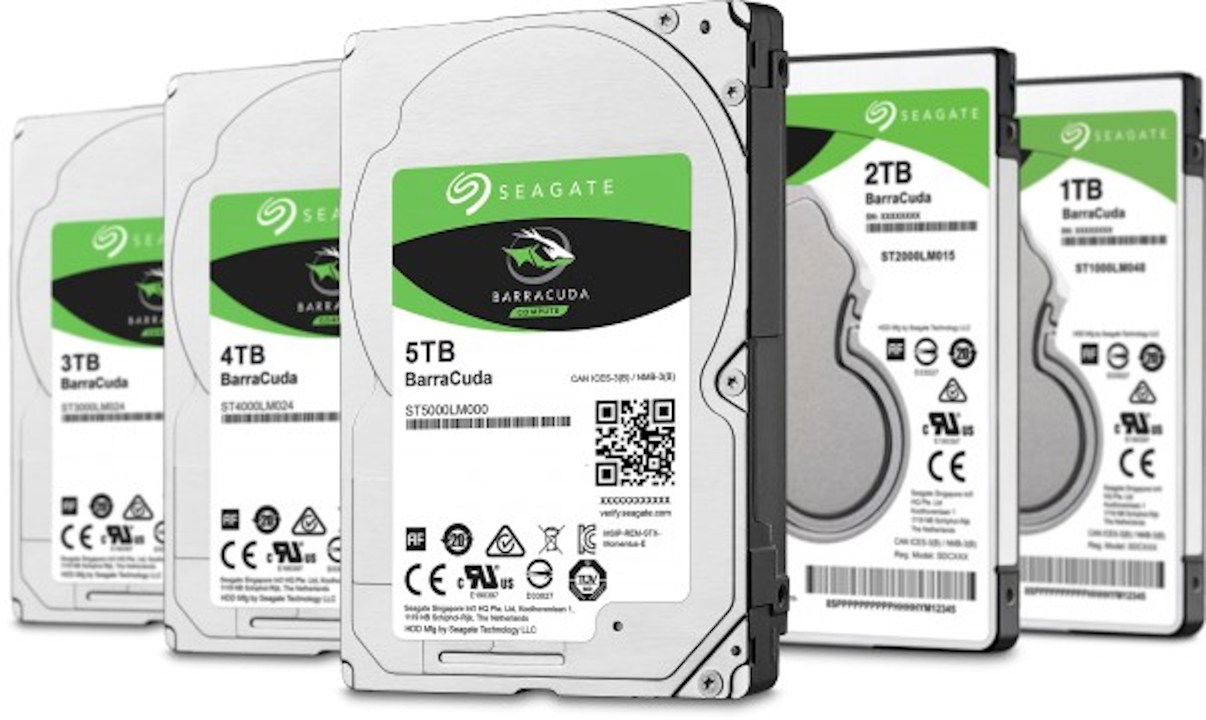
You may recall that I recently wrote about Western Digital revealing during its 2026 financial call that it was essentially sold out of hard drives for 2026, with 2027 and even 2028 already locked up through enterprise-level agreements. At the time, that felt like a major shift in the storage market. Now we’re revisiting that story, only this time you can swap Western Digital for Seagate. Yes, another major hard drive manufacturer has aligned itself heavily with AI and cloud demand.
As first reported by Heise Online, Seagate recently held its Q2 2026 earnings call back in January 2026, where CEO William Mosley stated:
Our nearline capacity is fully allocated through calendar year 2026, and we expect to begin accepting orders for the first half of calendar year 2027 in the coming months. Further out, demand visibility is strengthening based on the long-term agreements in place with major cloud customers through calendar 2027. Additionally, multiple cloud customers are discussing their demand growth projections for calendar 2028, underscoring that supply assurance remains their highest priority.
That is Seagate clearly stating that its nearline capacity is fully spoken for through 2026, with long-term agreements stretching well into 2027 and discussions already happening for 2028. For non-enterprise customers, that likely means slim pickings.
As more drives are allocated toward AI infrastructure and hyperscale data centers, it becomes increasingly difficult for consumers and smaller businesses to compete for supply. When companies like Google, Microsoft, Nvidia, and Meta are locking in multi-year storage agreements to fuel their AI expansion plans, everyone else naturally gets pushed further down the priority list.
At this point, two of the three major hard drive manufacturers have effectively confirmed large-scale allocation of their production capacity toward enterprise clients. That leaves Toshiba as the final piece of the puzzle, and it is hard not to wonder whether its next earnings call will reveal the same pattern.
I would be lying if I said this was not frustrating. Antitrust frameworks were originally designed to prevent markets from becoming overly concentrated and distorted, yet here we are watching massive corporations secure years of supply while everyday consumers face tightening availability and rising prices. The ripple effects of that shift will impact gamers, home lab builders, creators, small businesses, and anyone simply trying to expand storage without paying a premium. Of course, this is also going affect the pricing for SSDs as well, so don’t expect those to be exempt from this.
If you are planning to upgrade your NAS, expand your server, or stock up on drives you have been eyeing, it may be wise not to wait. The assumption that there will always be time to buy later is starting to look less reliable, and the storage market is clearly moving in a direction where consumers are no longer the primary focus and won’t be for a very long time… if ever
Source: Heise Online
